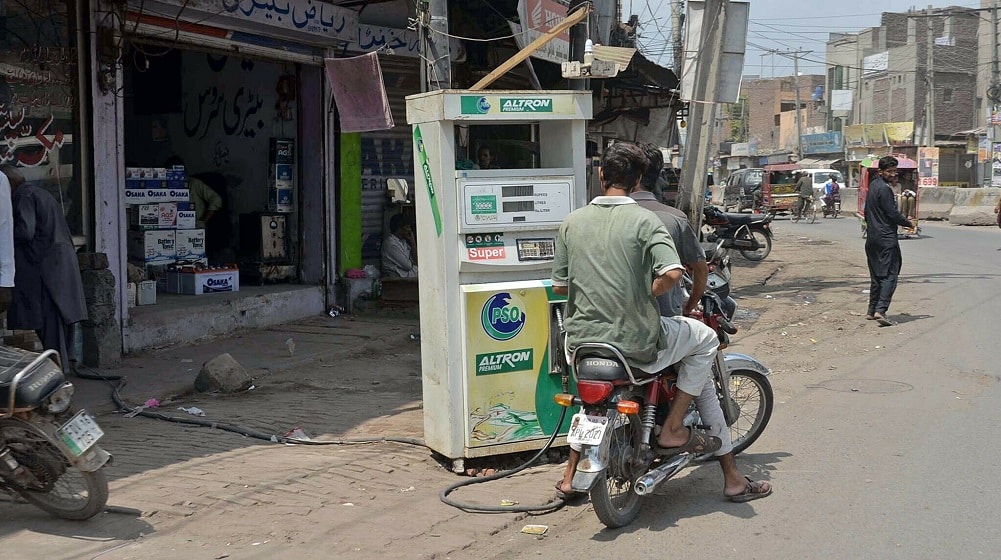
To calibrate national fuel security, the federal government has initiated a structural directive for all provincial authorities: comprehensive physical inspections of retail petrol stations. This strategic maneuver aims to prevent petrol hoarding and eliminate profiteering across the supply chain, ensuring consistent petroleum product availability for all citizens. This decisive action underscores a commitment to maintaining a stable energy infrastructure, particularly amidst evolving regional supply dynamics.
Understanding the Directive: Calibrating Fuel Distribution
Operational Mandate and OGRA’s Baseline Assessment
The federal government has precisely mandated that Deputy Commissioners in each province conduct on-ground verification of petrol station operations. This directive is not merely a formality; it is a critical operational mandate designed to enforce market discipline. Simultaneously, the Oil and Gas Regulatory Authority (OGRA) has provided a crucial baseline assessment, confirming that Pakistan possesses sufficient petroleum stocks to meet current national demand. Consequently, public reassurance is paramount; citizens are urged to refrain from panic buying, as such behavior can inadvertently disrupt distribution efficiency.
Proactive Monitoring and Enforcement Mechanisms
Furthermore, authorities are proactively monitoring the entire fuel supply chain. This calibrated oversight ensures the uninterrupted availability of fuel throughout the country. OGRA has explicitly stated that current stock levels align with prescribed requirements. This data-driven assurance is coupled with a stern warning: stringent action will be taken against any entities engaged in the illegal storage of petroleum products at unauthorized locations. Any premises discovered to be involved in unlawful petrol hoarding will be sealed immediately, establishing a clear deterrent.
Direct Impact on Pakistani Citizens: Stabilizing Daily Life
Ensuring Fair Access and Mitigating Market Volatility
This governmental action directly impacts the daily life of every Pakistani citizen by ensuring equitable access to an essential commodity: fuel. By strictly moving to prevent petrol hoarding, the initiative aims to stabilize market pricing and supply, protecting consumers from artificial scarcities and inflated costs. This directly translates into predictable fuel availability for students commuting to educational institutions, professionals traveling to work, and households managing daily logistics, both in urban centers and rural communities. It creates a more reliable operational baseline for transportation and commerce.
Protecting Economic Stability and Public Trust
Consequently, the crackdown on illegal storage and profiteering acts as a safeguard for the national economy. When fuel supply is manipulated, it creates ripples of instability, affecting everything from food prices to public transportation fares. This strategic intervention seeks to restore and maintain public trust in the supply chain’s integrity. By ensuring transparency and accountability, the government establishes a more resilient framework for energy distribution, fostering a sense of security among the populace regarding essential services.
Forward Path: A Decisive Stabilization Move
From an analytical standpoint, this development represents a clear Stabilization Move rather than a Momentum Shift. While it does not introduce new energy paradigms, it fundamentally strengthens the existing system by addressing critical vulnerabilities. The precise implementation of physical inspections and stringent enforcement mechanisms is crucial for maintaining systemic efficiency and public confidence. This proactive measure is essential to ensure that fundamental market principles are upheld, securing the reliable flow of petroleum products across Pakistan’s varied landscape.