

Pakistan’s Calibrated Strategy: Early Restaurant Closure for Energy Conservation
In a decisive move towards enhanced resource optimization, the Pakistani government has mandated that all restaurants conclude dine-in services by 10:00 PM. This strategic initiative forms a critical component of broader austerity and Pakistan energy saving measures, designed to curtail electricity consumption and foster national efficiency. While dine-in hours are adjusted, delivery and takeaway operations will maintain extended schedules, ensuring continued public access to food services.
Calibrated Measures for Strategic Resource Optimization
The recent governmental decree, conveyed through an official notification, outlines the immediate implementation of revised operating hours for the nation’s culinary sector. This structural adjustment is not an isolated policy but a baseline intervention within a comprehensive campaign targeting reduced energy dependency. Consequently, this precise directive aims to establish new benchmarks for sustainable resource management across the country. These actions are a direct contributor to overall Pakistan energy saving goals, fostering a culture of fiscal responsibility.
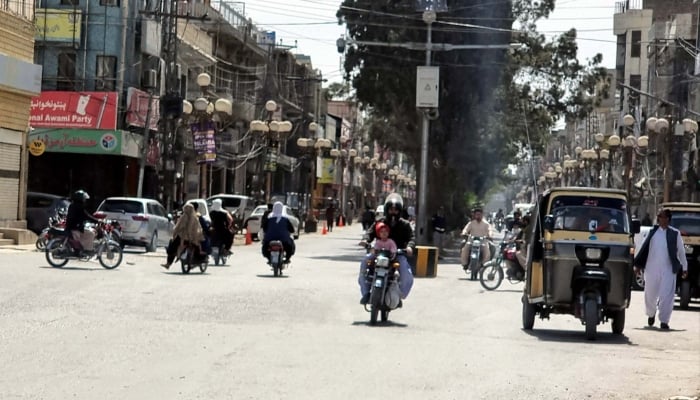
The Translation: Operationalizing Energy Efficiency
Translating policy into practice, this directive specifies clear operational parameters for businesses. Specifically, full-service dining establishments must cease operations by 10:00 PM. Conversely, to mitigate disruptions, both delivery and takeaway provisions are permitted to continue beyond this stipulated closing time. Furthermore, the government has strategically exempted critical services, including but not limited to, bakeries, medical stores, petrol pumps, CNG stations, and traditional tandoors, acknowledging their essential community functions.
- Dine-in services are calibrated to conclude by 10:00 PM.
- Delivery and takeaway operations maintain flexibility for consumer access.
- Essential services are strategically exempted to ensure societal continuity.

The Socio-Economic Impact: Adjusting Daily Life Parameters
This policy directly impacts the daily rhythms of Pakistani citizens. For students and young professionals, evening social engagements will necessitate earlier planning. Households, particularly in urban centers, may find themselves adapting meal routines or increasing reliance on takeaway options during late hours. In contrast, rural areas, where restaurant culture is less prevalent, might experience a more subtle shift. Ultimately, these adjustments underscore a collective societal contribution towards national energy independence and structural economic stability. This contributes significantly to overarching Pakistan energy saving objectives.

The Forward Path: A Strategic Stabilization Move
From an architectural standpoint, this measure represents a Stabilization Move rather than a radical Momentum Shift. It is a necessary calibration of operational parameters designed to shore up existing energy infrastructure and reduce immediate fiscal strain. While not inherently transformative, it lays a disciplined baseline for future, more ambitious energy reforms. The strategic focus on austerity establishes a precedent for resource consciousness, vital for Pakistan’s long-term advancement.








