
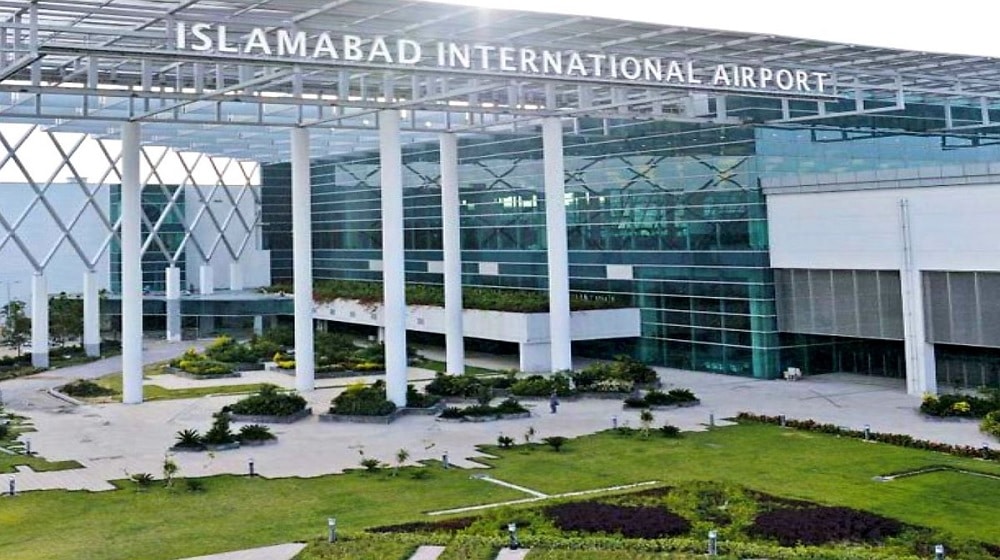
Strategic Infrastructure Advancement: Islamabad Airport Outsourcing Commences
The federal government has strategically declared the Islamabad Airport outsourcing as a high-priority initiative, transitioning to an open, competitive bidding process. This structural adjustment follows the definitive sale of Pakistan International Airlines (PIA), signaling a calibrated approach to national asset management. The move aims to enhance operational efficiency and global connectivity, ensuring Pakistan’s aviation sector aligns with international benchmarks.
The Translation: Redefining Airport Management Logic for Islamabad Airport Outsourcing
Previously, official discussions explored government-to-government arrangements for the management of major airports. However, a precise governmental decision now dictates an open bidding framework for Islamabad International Airport. This ensures transparency and maximizes value, attracting a diverse pool of international operators. A dedicated financial adviser is being appointed to structure this complex transaction, thus streamlining the bidding process for maximum investor engagement. Several global entities, including Saudi Arabia, the UAE, and Turkey, have already expressed keen interest, validating the asset’s strategic value.
Consequently, this comprehensive strategy extends beyond Islamabad, encompassing Karachi and Lahore airports in subsequent phases. This allows for a standardized enhancement of national aviation hubs. Furthermore, existing staff from these large airports will be strategically redeployed to bolster operations at smaller, regional airports across the nation, ensuring optimized talent distribution and expanded national capacity.
The Socio-Economic Impact: Elevating Citizen Travel Experience
This structural change directly impacts the daily lives of Pakistani citizens by targeting significant improvements in airport infrastructure and passenger experience. Currently, major airports face operational bottlenecks, with reports citing delays of up to an hour just to enter Islamabad International Airport. Strategic airport outsourcing aims to resolve these pervasive inefficiencies, leading to smoother travel experiences, reduced wait times, and elevated service standards for students, professionals, and families across Pakistan.
Moreover, by delegating the intricate operational complexities of large airports, the Civil Aviation Authority (CAA) can recalibrate its core focus. This allows the CAA to allocate resources more effectively towards improving smaller airports, thereby expanding regional connectivity and accessibility for citizens in both urban and rural Pakistan. The Asian Development Bank’s expressed interest in supporting Pakistan’s comprehensive airport program further underscores its potential for transformative national development.
The Forward Path: A Momentum Shift for National Aviation
This development represents a clear Momentum Shift for Pakistan’s aviation sector. The pivot to open bidding, post-PIA privatization, acts as a potent catalyst for significant operational and financial improvements. It transcends mere maintenance, aggressively pursuing calibrated efficiency and global integration. The demonstrated interest from international players, combined with a structured financial approach, indicates a strong trajectory towards modernizing Pakistan’s air travel infrastructure, thereby positioning the nation as a competitive regional aviation hub.
PIA’s Strategic Recapitalization: A Parallel National Advancement
In a parallel and equally vital development, the privatization of Pakistan International Airlines (PIA) progresses. The government currently retains 25 percent of PIA shares, valued at approximately Rs. 45 billion. This strategic divestment facilitates a significant recapitalization by the Arif Habib consortium, which plans a substantial investment of Rs. 125 billion into PIA. A key baseline for this investment is an expected deposit of Rs. 10 billion with the government within the next three months, securing the initial phase of this revitalization.
A detailed business plan for PIA is anticipated within one month, with the financial close projected within three months. This structural intervention is poised to dramatically revalue PIA, from its current Rs. 9 billion to an estimated Rs. 180 billion upon financial close. Furthermore, a critical assessment revealed that outright closure of PIA would have incurred a prohibitive cost of nearly Rs. 300 billion, inclusive of liabilities and Rs. 34 billion in pension payments. Consequently, the strategic plan targets an expansion of PIA’s fleet to 40 aircraft over the next four years, indicating a robust trajectory for national air travel capacity and system efficiency.








