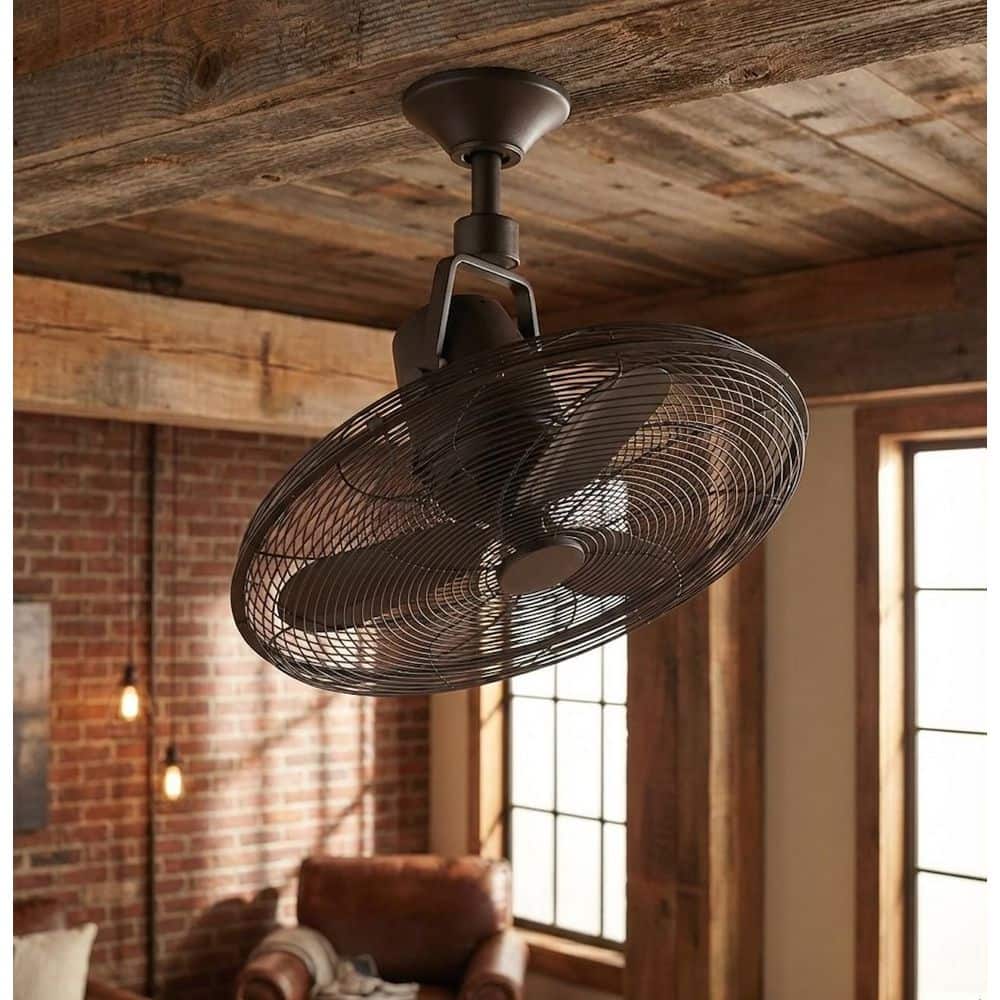
Pakistan is strategically advancing its energy infrastructure. The federal government has initiated the Prime Minister’s Fan Replacement Program, offering a 10 percent first-loss credit guarantee to commercial banks. This calibrated financial mechanism aims to catalyze national energy efficiency and structurally reduce electricity consumption across households. Consequently, this move signifies a precise step towards optimizing Pakistan’s energy baseline, promoting sustainable practices, and securing long-term economic stability.
Optimizing National Energy: The Fan Replacement Program
The State Bank of Pakistan will meticulously route this credit guarantee, thereby de-risking commercial lending for banks. Furthermore, the State Bank facilitates bank onboarding and develops a streamlined claims processing mechanism, including provisions for the initial rollout phase. This structural intervention is anticipated to significantly reduce lending apprehension for financial institutions. Consequently, it promotes broader participation in financing energy-efficient appliances at the household level, ensuring the scheme’s robust implementation.

Budget Allocation and Seamless Execution
The Ministry of Finance demonstrates its commitment by allocating the necessary budget and supporting the timely settlement of credit guarantee claims. This ensures the scheme’s execution remains unfaltering and efficient. This proactive financial management underpins the entire initiative, guaranteeing operational continuity and stakeholder confidence. Therefore, the program is positioned for maximum impact, driven by precise resource allocation.
Digital Integration: A Unified Platform for Efficiency
The Punjab Information Technology Board (PITB) hosts a centralized digital platform, serving as the operational backbone for this initiative. This integrated system seamlessly connects banks, power utilities, fan manufacturers, and the National Energy Efficiency and Conservation Authority (NEECA). Such digital synergy is a critical enabler, ensuring data exchange and process automation are calibrated for optimal efficiency. Power distribution companies precisely provide data access via APIs to assess consumer eligibility, ensuring targeted outreach. Subsequently, banks leverage this verified data for customer engagement, adhering strictly to regulatory policies.

Eligibility and Financing Modalities
The scheme specifically offers financing to residential consumers who possess verified electricity bills, valid addresses, and a satisfactory payment and credit history. Eligible customers can access financing ranging from Rs. 100,000 to Rs. 300,000, with flexible repayment periods between 6 and 18 months. This structured approach ensures accessibility while maintaining financial prudence. Consequently, a broad segment of the population can participate, translating into widespread adoption of energy-efficient solutions.
Operational Imperatives: System Integration
Banks have received directives to complete comprehensive system integration with the NEECA portal. This imperative ensures a timely and effective rollout of the energy efficiency program. Such technical readiness is paramount for achieving the program’s ambitious objectives. Ultimately, this scheme is projected to play a pivotal role in structurally reducing national energy consumption through the widespread adoption of efficient fan technology.

The Translation (Clear Context)
This initiative translates directly into a tangible financial incentive for commercial banks. The 10 percent “first-loss credit guarantee” means the government shoulders the initial risk on loans issued for energy-efficient fans. If a customer defaults, the government covers the first 10% of the loss, significantly reducing the bank’s exposure. This structural derisking mechanism aims to encourage banks to lend more readily for these appliances, effectively bridging the gap between consumer need and financial access. It’s a precision-engineered safety net for lenders, designed to accelerate market adoption.
The Socio-Economic Impact
This program offers a calibrated intervention that directly enhances the daily lives of Pakistani citizens. For households, especially in urban centers and rural communities experiencing frequent power fluctuations, upgrading to energy-efficient fans means a notable reduction in electricity bills. This translates into tangible household energy savings, freeing up financial resources for other necessities. Students benefit from more comfortable and conducive study environments, while professionals experience improved productivity at home. It’s a direct investment in the comfort and economic stability of every Pakistani family, fostering a baseline for sustainable living and reducing the financial burden of high energy costs.
The “Forward Path” (Opinion)
This development represents a Momentum Shift. By strategically de-risking lending and establishing a robust digital infrastructure, the government is not merely maintaining energy efficiency efforts; it is accelerating them. The structural integration of financial institutions with energy conservation authorities, coupled with direct consumer incentives, creates a powerful catalyst for widespread adoption. This is a foundational move, demonstrating a clear commitment to national advancement through optimized resource utilization and a future-forward energy strategy for Pakistan.