
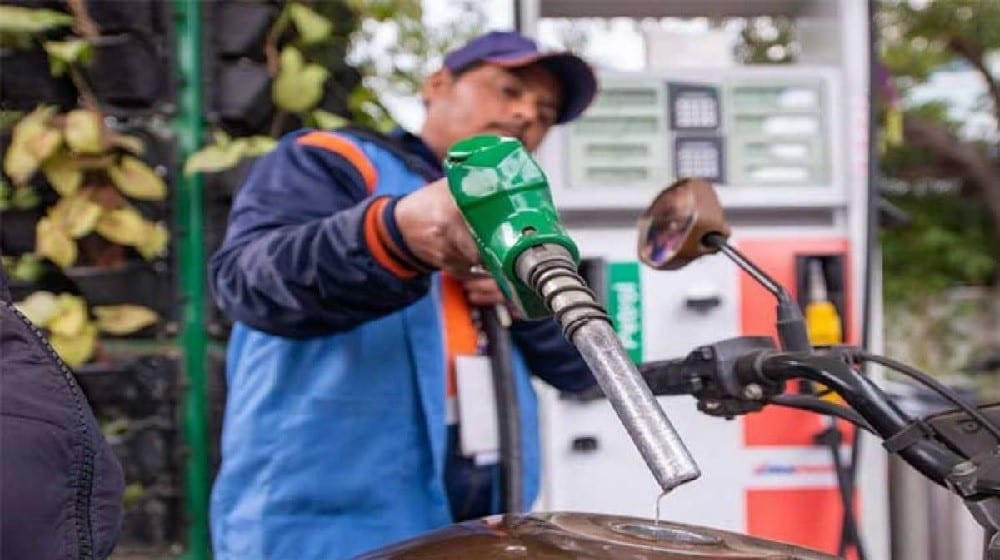
In a strategic recalibration, the federal government is critically assessing the current fuel price freeze on petrol and diesel, contemplating its termination due to sharply rising global benchmarks. This pivotal move aims to realign domestic energy costs with international market realities while simultaneously exploring targeted subsidies for two and three-wheelers, safeguarding low-income segments. This decision marks a significant policy adjustment amidst intensifying fiscal pressures and ongoing international financial program reviews.
Precision in Policy: The Translation of Fuel Market Shifts
The government’s deliberation to end the current fuel price freeze is a direct response to a widening divergence between domestic and global energy costs. Historically, Pakistan has absorbed substantial import expenses to maintain stable retail prices, notably allocating approximately Rs. 69 billion for subsidies after a previous Rs. 55 per litre increase on petrol and diesel. Currently, the state shoulders an estimated Rs. 175 per litre on diesel and about Rs. 75 per litre on petrol to artificially depress retail prices.
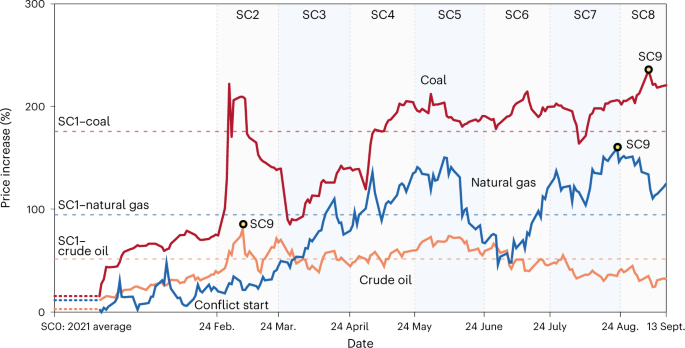
Furthermore, the prices for aviation fuel (JP-1) and kerosene have demonstrably surged. Jet fuel escalated by roughly 22% (Rs. 84 per litre) to Rs. 472 from March 21, and kerosene increased by approximately 20% (Rs. 71 per litre) to Rs. 429 within a week. These calibrated adjustments reflect acute volatility in international energy markets, particularly amplified by geopolitical tensions. Since early March, jet fuel costs have surged nearly 150%, with kerosene rising about 127%.

Socio-Economic Impact: Calibrating Daily Life for Pakistani Citizens
This potential cessation of the fuel price freeze holds significant implications for the daily lives of Pakistani citizens. For urban and rural households, an increase in petrol and diesel prices will directly elevate transportation costs, impacting commuters, businesses reliant on logistics, and the overall cost of essential goods. The proposed shift towards targeted fuel subsidies for two and three-wheelers, however, aims to buffer the most vulnerable segments of the population against these economic shifts.
Specifically, the aviation sector has already registered substantial impacts. Airfares have escalated by Rs. 10,000 to Rs. 15,000 on domestic routes and Rs. 30,000 to Rs. 40,000 on international travel. This is a direct consequence of airlines passing on higher fuel expenses, which constitute 30% to 40% of their operational outlays. Consequently, passenger traffic from the Gulf has experienced a quantifiable decline, although travel from Saudi Arabia and the UAE maintains comparative resilience.
Furthermore, the export sector faces imminent challenges. The Pakistan Fruit and Vegetable Exporters Association reports additional charges of Rs. 50 per kilogram on air cargo shipments. This structural increase could disrupt perishable exports, impacting agricultural incomes and the nation’s export revenue if elevated fuel costs persist. Therefore, the strategic management of fuel pricing is critical for economic stability and growth across multiple sectors.
The Forward Path: A Stabilization Move for Fiscal Integrity
This development represents a Stabilization Move for Pakistan’s economic architecture. Delaying these precision price adjustments risks compounding inflationary pressures in the long term, jeopardizing the nation’s fiscal integrity and its commitments under the International Monetary Fund (IMF) program. Officials have explicitly warned against such delays, emphasizing the criticality of aligning domestic prices with global benchmarks to prevent unsustainable fiscal diversions.
The cabinet committee’s review of the price divergence and its recommendation for targeted subsidies instead of broad controls indicates a more structurally sound approach. Adequate petroleum inventories, ensured by secured imports for March and April and consistent refinery output, provide a baseline for maintaining supply chain functionality nationwide. This calculated approach seeks to mitigate immediate economic shocks while establishing a more sustainable and transparent energy pricing mechanism.









