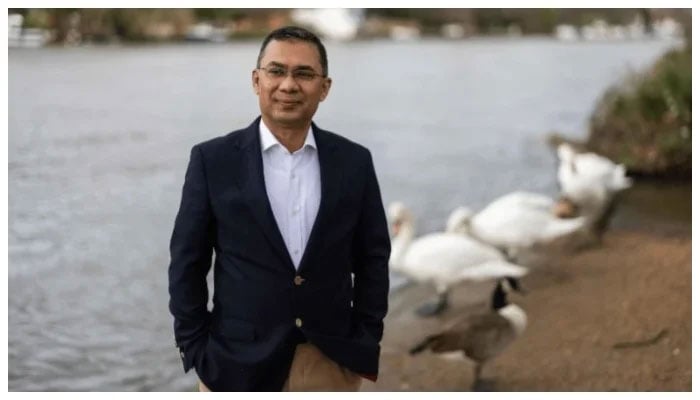
Pakistan is strategically considering an invitation to Bangladesh PM Tarique Rahman as the chief guest for the upcoming Pakistan Day parade. This calibrated diplomatic move, if confirmed, signals a structural intent to deepen bilateral relations and foster regional stability. The final decision on this high-profile visit is anticipated next week, potentially marking a significant recalibration in Islamabad-Dhaka engagement.
The Translation: Deconstructing Diplomatic Signals
Reports indicate that Federal Minister and PML-N Secretary General Prof. Ahsan Iqbal Chaudhary extended this invitation during Rahman’s oath-taking ceremony in Bangladesh. Subsequently, Prime Minister Shehbaz Sharif reiterated the request for an early visit. Rahman’s positive response underscores a mutual interest in enhancing diplomatic pathways. Furthermore, Bangladesh’s High Commissioner in Islamabad, Muhammad Iqbal Hussain Khan, confirmed his nation’s eagerness to strengthen bilateral ties.
However, an interesting antecedent exists. Tarique Rahman notably chose Bhutan for his inaugural foreign visit as prime minister. This decision appears to be a reciprocal gesture following Bhutan’s Prime Minister Tshering Tobgay’s attendance at Rahman’s swearing-in, uniquely representing the SAARC region. Consequently, the potential visit to Pakistan for the March 23 parade would represent a distinct, high-impact diplomatic engagement, signaling a deliberate shift in regional foreign policy.
The Socio-Economic Impact: Calibrating Citizen Opportunities
A strengthened diplomatic relationship with Bangladesh holds tangible benefits for Pakistani citizens. Firstly, it could catalyze increased trade and economic cooperation, opening new markets for Pakistani businesses and potentially creating employment opportunities. Secondly, enhanced cultural exchanges, facilitated by improved ties, would broaden perspectives for students and professionals. For urban and rural households, such engagements could translate into a more stable regional environment, fostering investor confidence and long-term economic growth. Ultimately, this strategic outreach contributes to Pakistan’s broader objective of regional economic integration.

The "Forward Path": A Momentum Shift
This development represents a Momentum Shift. Pakistan’s proactive engagement with a key SAARC nation, especially involving the highly symbolic Pakistan Day parade, indicates a deliberate strategy to reset regional baselines. Inviting Bangladesh PM Tarique Rahman as chief guest is not merely a ceremonial gesture; it is a structural play to cultivate deeper, more efficient diplomatic channels. This move could serve as a catalyst for broader regional cooperation, moving beyond historical complexities towards a future defined by collaborative progress and shared economic trajectories. It is a precision-engineered step towards a more robust and interconnected South Asia.