
Pakistan’s Calibrated Economic Re-architecture: Embracing Currency Swap Deals
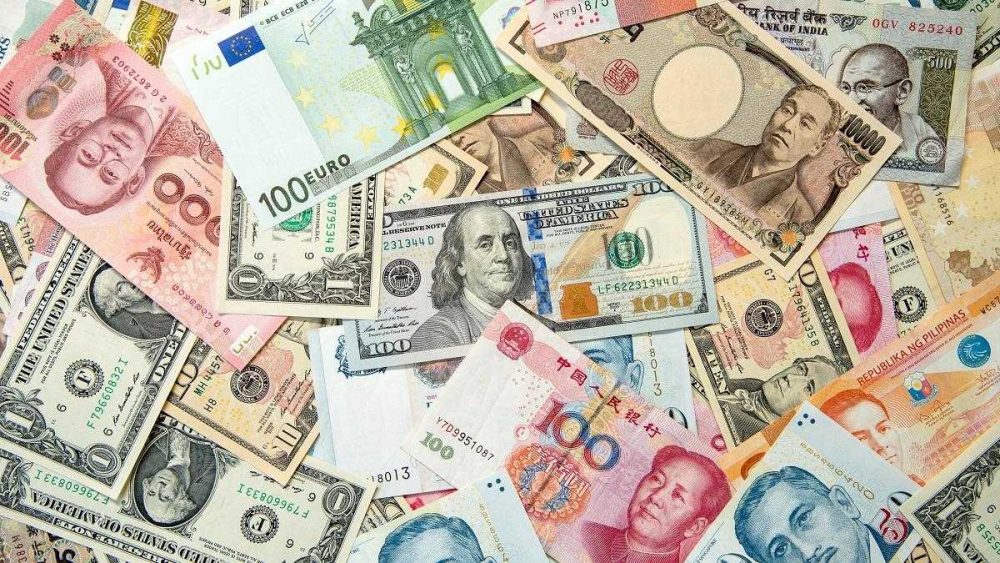
Pakistan is initiating a calibrated structural adjustment within its economic framework, strategically pursuing currency swap deals to fortify national financial autonomy and systematically reduce reliance on the US dollar. The Prime Minister’s Office has issued precise directives to finalize these critical agreements with the European Union, Russia, and Iran. This proactive measure aims to diminish Pakistan’s dependence on the US dollar and robustly strengthen trade relationships with key regional economies. This strategic shift is now a central component of the Ministry of Finance’s reform agenda, with direct oversight from the PM’s Delivery Unit, signaling a concentrated effort towards economic resilience.
Decoding the Mechanics: The Logic Behind Cross-Currency Agreements
Bilateral cross-currency agreements enable nations to settle trade directly using their respective local currencies, thereby bypassing the US dollar. This mechanism directly alleviates pressure on a country’s foreign exchange reserves, a critical factor for achieving economic stability. For instance, Pakistan currently benefits from an established currency swap deal with China, which has provided a substantial $4.5 billion trade facility. While a significant portion has historically facilitated debt settlements, this model proves the efficacy of such bilateral financial instruments.

The government actively explores similar arrangements with ASEAN member countries, extending this proven model strategically. Consequently, agreements with nations like Russia and Iran are projected to unlock significant new trade avenues, facilitating diverse import and export activities without taxing Pakistan’s dollar reserves. This structural refinement directly supports the government’s mandate to keep the current account deficit below $3 billion and concurrently lower the national debt-to-GDP ratio, underpinning sustainable medium-term GDP growth targets.
Calibrating Daily Life: Socio-Economic Impact for Citizens
This strategic pivot towards new cross-border agreements directly impacts the daily financial landscape for Pakistani citizens. Reducing dollar dependence can stabilize the Pakistani Rupee, leading to more predictable prices for essential imported goods, including fuel, medicines, and raw materials. Consequently, this creates a more stable economic environment for household budgets and long-term planning.

Furthermore, a stable currency market, achieved through less reliance on external currency fluctuations, can foster increased investor confidence. This translates into more job opportunities for professionals and a more robust business environment for entrepreneurs across both urban and rural Pakistan. For students, especially those aspiring to international education, currency stability means less volatility in tuition costs and living expenses abroad. Likewise, businesses engaged in international trade will experience reduced transaction costs and mitigated foreign exchange risks, thereby promoting economic growth and efficiency across various sectors. The Prime Minister’s Office has additionally instructed the State Bank of Pakistan to target a policy rate below 10 percent and to precisely check dollar hoarding, directly benefiting consumers through potentially lower borrowing costs and a fairer exchange market.
The Forward Path: A Strategic Momentum Shift for Pakistan
This development fundamentally represents a decisive Momentum Shift for Pakistan’s economic trajectory. The proactive pursuit of these strategic financial instruments moves beyond mere stabilization; it embodies a re-architecture of national finance towards greater sovereignty. The systematic reduction of dollar dependence is not merely a reactive measure to current debt challenges, but a foundational step towards long-term resilience.
This approach empowers Pakistan to engage in international trade on its own terms, fostering deeper, more balanced relationships with a broader spectrum of global partners. Therefore, this initiative signals a calibrated recalibration of Pakistan’s economic policy, focusing on structural independence and diversified financial instruments. It is a critical investment in securing a more predictable and robust economic future for all Pakistani citizens.








