Pakistan’s federal government has strategically recalibrated its approach to **provincial health funding**, concluding its direct financial support for provincial health coverage and insurance schemes. This decisive move aligns with the 18th Constitutional Amendment, which designates health as a devolved provincial subject. Consequently, provinces must now architect their own full-fledged contributory health insurance models, marking a structural shift in healthcare provision across the nation. This significant policy adjustment impacts millions, requiring provinces to innovate for sustainable health protection.
The Translation: Deconstructing the Policy Shift
The federal government’s directive is a baseline adjustment, emphasizing provincial autonomy in health. Specifically, the Sehat Sahulat Programme (SSP) will continue solely for selected federal territories—Islamabad Capital Territory, Azad Jammu and Kashmir, and Gilgit Baltistan—until June 30, 2027, at a revised cost of Rs. 40.2 billion. This decision, approved after a high-level meeting chaired by the prime minister on January 2, 2024, strategically restricts federal liabilities. Furthermore, proposals to include Sindh’s Tharparkar district under the SSP were firmly rejected by the Central Development Working Party and the Executive Committee of the National Economic Council, preventing precedent for similar provincial demands. This action underscores the federal commitment to the 18th Amendment’s spirit.
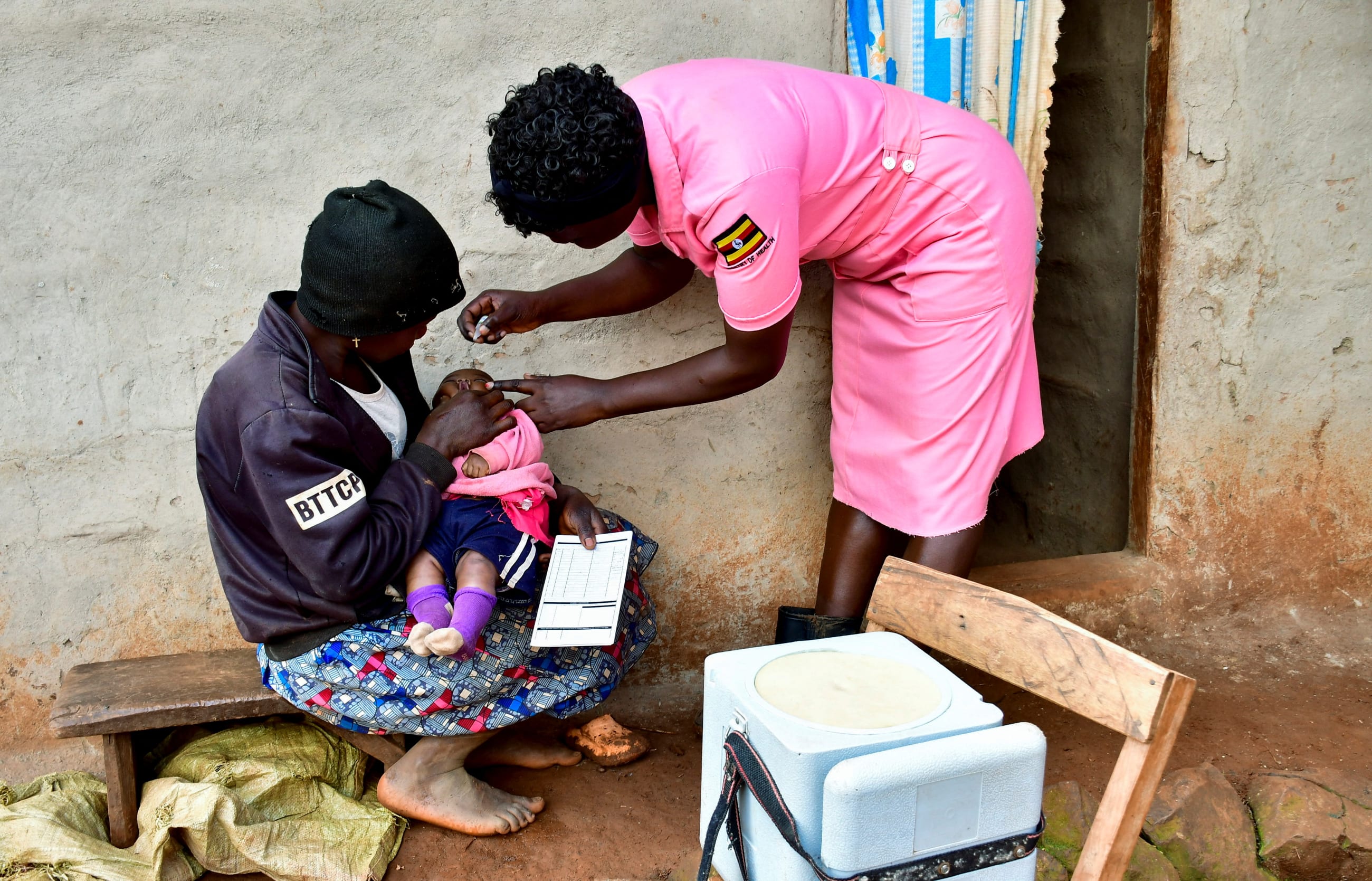
Strategic Redirection of Sehat Sahulat Programme
The committee, established by Ecnec on August 7, 2025, to review the SSP’s operational lifecycle since its 2015 launch, delivered precise conclusions. It determined that the SSP formally completed its mandate on June 30, 2025, following multiple extensions. Consequently, the program’s operational funding must transition from development projects to the recurrent budget.
The Ministry of National Health Services received directives to submit a comprehensive project completion report and to propose a limited structural framework. This framework aims to sustain indoor healthcare services for Pakistan’s vulnerable populations, aligning precisely with the SSP’s original intent. Moreover, the committee unequivocally recommended that all provinces, alongside AJK and GB, independently develop or sustain their social health protection schemes using their respective budgets. This recommendation robustly opposed extending the federal program to provincial districts, citing the critical factors of devolved health responsibilities and an already overstretched Public Sector Development Programme (PSDP).
The Socio-Economic Impact: Recalibrating Citizen Healthcare
Direct Impact on Households and Professionals
This policy shift fundamentally alters how Pakistani citizens access healthcare, particularly for students, professionals, and households across urban and rural landscapes. Previously, many relied on federally-backed schemes for critical health coverage. Now, provinces are tasked with designing and implementing new contributory models. This transition necessitates that individuals and families potentially bear a greater direct financial responsibility for their healthcare. For instance, urban professionals may encounter new premium structures, while rural households could experience shifts in local health service access and funding. This situation requires citizens to understand new provincial schemes and potentially adjust their personal financial planning for health, thereby fostering greater community engagement in health financing.
:max_bytes(150000):strip_icc()/life-income-fund.asp-final-bcb934ef65fa445cb570bfd4a68c455f.png)
The Forward Path: A Momentum Shift Towards Self-Sufficiency
Architecting Sustainable Health Protection
This development represents a **Momentum Shift** for Pakistan’s healthcare architecture. The federal government’s decision serves as a catalyst for provinces to develop self-sufficient, localized health protection frameworks. It challenges provincial administrations to innovate, fostering more tailored and responsive healthcare solutions. The committee’s suggestion to design pilot schemes based on claim co-payments, echoing Punjab’s successful model, offers a pragmatic pathway towards a full-scale social health insurance system on a contributory basis. This structural evolution promotes fiscal responsibility and localized governance, driving provinces to optimize resource allocation for public health. It encourages provinces to calibrate their health strategies to their specific population needs.

Historical Context and Future Imperatives
The Sehat Sahulat Programme, initially launched on February 7, 2018, under the Prime Minister’s National Health Programme Phase Two, cost Rs. 34 billion. Its foundational objective was to provide health coverage to families below the poverty line, leveraging data from the Benazir Income Support Programme. Over its operational tenure, the program experienced multiple revisions and expansions. Notably, in August 2019, the federal government ceased provincial contributions for priority care treatment across most regions, citing the evolving interpretation of the 18th Amendment. The program officially concluded its federal provincial support on June 30, 2025. This historical trajectory provides context for the current shift, highlighting a continuous effort to refine Pakistan’s healthcare delivery mechanisms.