Calibrating Pakistan’s Energy Security: The Imperative Behind the Pakistan Petrol Price Hike
The recent Pakistan petrol price hike, an increase of Rs. 55 per litre, represents a critical, calibrated decision by the government to preempt a national fuel shortage and safeguard supply chain stability. This strategic adjustment directly addresses escalating global oil prices and intensifying logistical challenges, ensuring a continuous energy flow for our economy. Ultimately, this move aims to protect the nation’s energy infrastructure from potential disruption, a vital component for sustained economic advancement.
Petroleum Minister Ali Pervaiz Malik confirmed the government’s consultation-driven decision. The objective was to mitigate risks arising from volatile international markets and regional geopolitical tensions. Such proactive measures are structural necessities for national resilience.
The Translation (Clear Context)
The technical rationale for this adjustment is rooted in global crude oil market dynamics. Fuel, previously imported at approximately $70 per barrel, now incurs costs up to $120 per barrel. This significant disparity directly impacts the financial viability of oil marketing companies. Consequently, without domestic price adjustments, these companies faced potential insolvency risks, jeopardizing their ability to sustain crucial imports. The government’s intervention stabilizes these operational baselines.
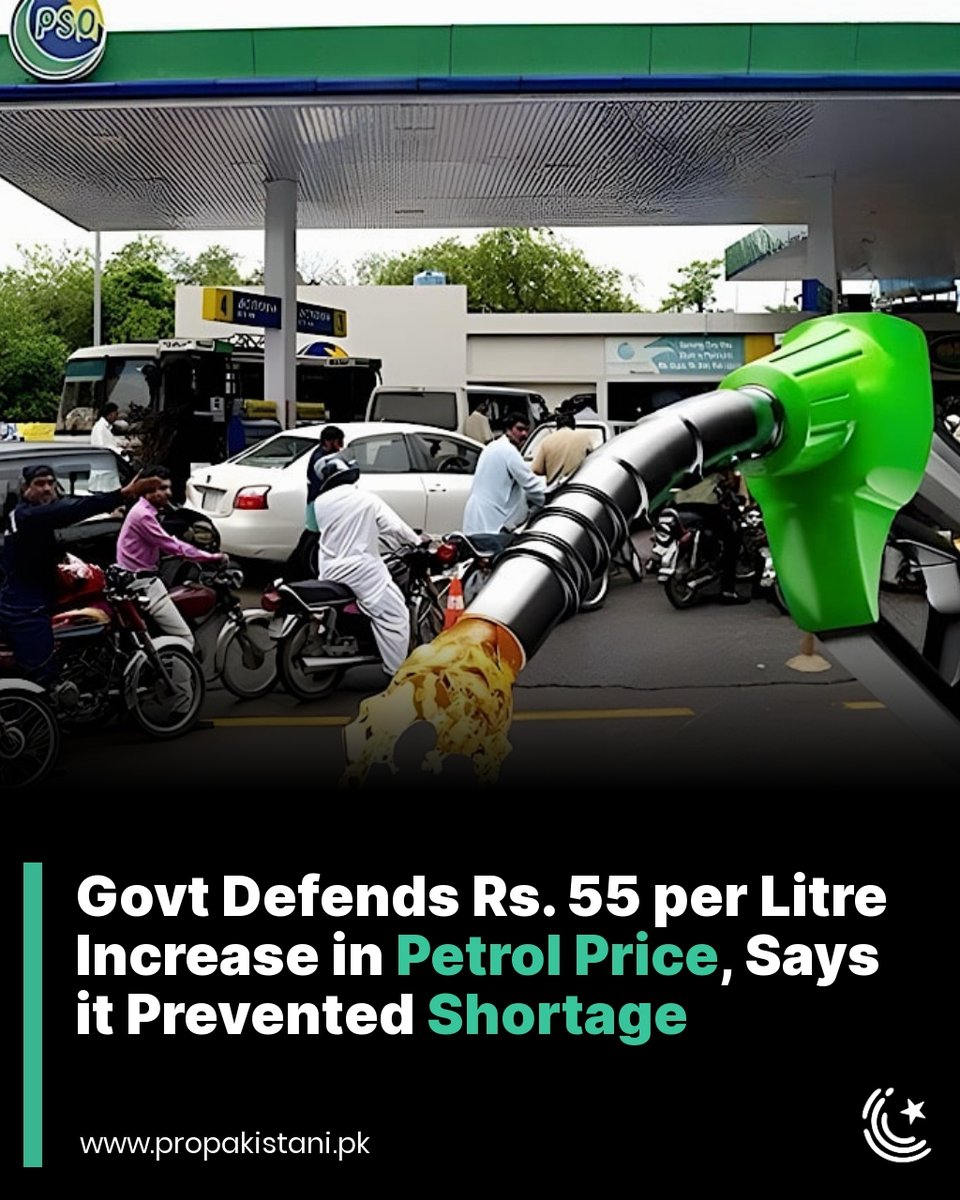
Furthermore, the logistical timeline for oil shipments to Pakistan extends to approximately 20 days. This extended transit period necessitates robust financial capability within importing entities. Any failure to adjust prices could have precipitated a severe rupture in the supply chain, creating widespread unavailability of essential fuels across the nation.
The Socio-Economic Impact
For the Pakistani citizen, the Pakistan petrol price hike translates into an immediate increase in daily living costs, impacting transportation, goods, and services. Students relying on public transport will face higher fares. Professionals commuting to urban centers will allocate more of their income to fuel. Households, both urban and rural, will experience a ripple effect on the prices of essential commodities due to elevated logistics expenses. While challenging, this measure is presented as a bulwark against a potentially far more disruptive scenario: complete fuel unavailability, which would halt economic activity and social mobility.
Conversely, opposition lawmakers, including Senator Farooq H. Naek, have presented an alternative structural solution. They argue that imposing increased petroleum levies could have generated revenue for the national treasury without directly escalating consumer prices. This perspective highlights a debate on the optimal fiscal mechanism for managing energy costs and national revenue generation, a critical discussion for our economic architecture.
The “Forward Path” (Opinion)
This development represents a Stabilization Move. While the immediate impact of the price adjustment on citizens is challenging, the government’s rationale centers on averting a more catastrophic national fuel shortage. This decision prioritizes system efficiency and supply chain integrity over short-term price stability. It reflects a pragmatic approach to immediate threats within a volatile global energy landscape, aiming to prevent a collapse that would severely impede national advancement.

However, the long-term sustainability demands a more diversified and robust energy policy. Continued reliance on international price fluctuations underscores the urgent need for strategic investment in indigenous energy sources and refined fiscal policies. The government’s commitment to continuously review global prices and adapt future actions is crucial for calibrated national energy security. This ongoing vigilance forms the baseline for resilient economic planning.