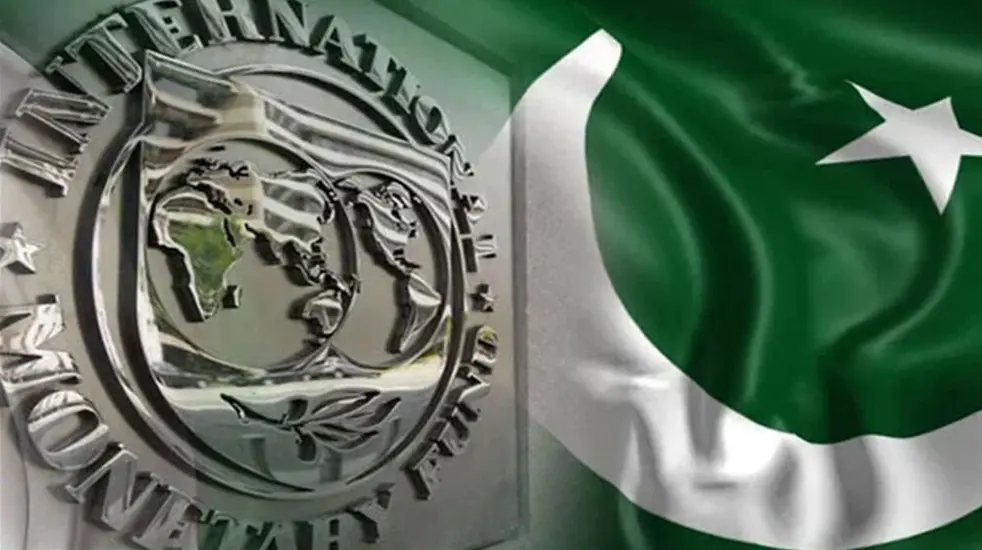
To calibrate national economic dynamics and ensure petrol price stability for citizens, Pakistan’s federal government has strategically reduced its Public Sector Development Program (PSDP) by Rs. 100 billion. This critical fiscal adjustment, decreasing the federal development budget from an initial Rs. 1 trillion to Rs. 900 billion for the fiscal year 2025–26, directly mitigates the need for fuel price hikes. Furthermore, this decision aligns with recommendations from the International Monetary Fund (IMF) to optimize non-essential expenditures amidst global economic tensions, underscoring a disciplined approach to national financial management.
Understanding Pakistan’s Fiscal Recalibration for Fuel Price Stability
The federal government implemented a structural adjustment, cutting the development budget to prevent an escalation in petroleum product prices. Specifically, Federal Minister for Planning Ahsan Iqbal confirmed this 10 percent reduction across all federal development initiatives. Initially, Rs. 1,000 billion was designated for the Public Sector Development Program (PSDP) for fiscal year 2025–26; consequently, the revised allocation now stands at Rs. 900 billion. This decisive action, developed in consultation with the Ministry of Finance, directly addresses the imperative to maintain current petroleum product prices. Moreover, the International Monetary Fund (IMF) emphasized controlling non-essential expenditures during ongoing economic review discussions, providing a structural baseline for this fiscal strategy.

Direct Impact on Pakistani Citizens: Navigating Economic Shifts
This calibrated reduction directly impacts the daily lives of Pakistani citizens. By preserving existing fuel prices, the government aims to stabilize transportation costs, which in turn influences the prices of essential goods and services. Consequently, households and professionals, particularly in urban centers and for agricultural logistics in rural areas, experience a degree of predictability in their monthly budgets. Furthermore, the slow utilization of the development budget – with only Rs. 361 billion spent during the first eight months of the current fiscal year, representing just 36 percent of the total – underscores an underlying inefficiency. This reallocation channels resources from underutilized projects towards immediate consumer relief.
Forward Path: A Stabilization Move for System Efficiency
From an analytical perspective, this budget adjustment represents a Stabilization Move rather than a dramatic Momentum Shift. It is a strategic measure designed to reinforce immediate economic parameters and mitigate inflationary pressures stemming from global fuel markets. The government’s decision prioritizes the baseline welfare of citizens by ensuring petrol price stability, while simultaneously addressing underperforming development expenditure. Moving forward, a precision-focused approach will be essential to ensure that future development projects demonstrate higher absorption capacity and deliver tangible, accelerated progress.