
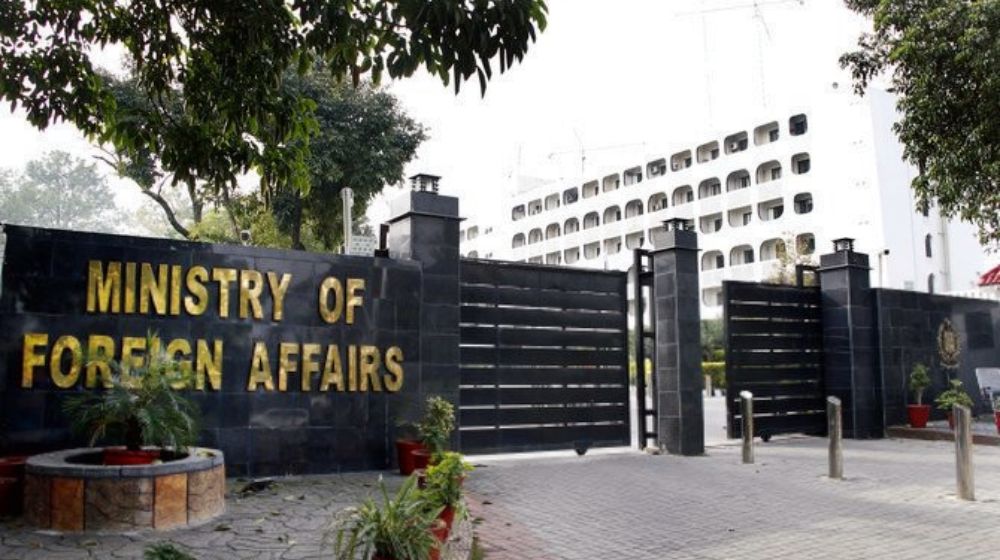
Strategic Global Realignments: Pakistan Ambassador Appointments Signal New Diplomatic Era
In a calibrated move to optimize its international outreach, the government has announced a comprehensive round of Pakistan Ambassador Appointments across key regions including Europe, Africa, and Asia. This strategic reassignment of senior diplomats and the filling of critical vacancies underscore a disciplined commitment to advancing national interests on the global stage. Foreign Minister Ishaq Dar emphasized that these appointments are not merely rotational but are designed to build upon a robust foreign policy engagement, explicitly prioritizing economic diplomacy to unlock new avenues for national development.
The Translation: Calibrating Diplomatic Vectors for Economic Growth
These recent ambassadorial shifts represent a structural enhancement of Pakistan’s foreign policy apparatus. The explicit directive for these envoys is to operate with precision and wisdom, focusing on tangible economic outcomes. Consequently, the Ministry of Foreign Affairs aims to solidify existing alliances while forging new partnerships that directly benefit Pakistan’s trade, investment, and technological exchange. The strategic placement of experienced personnel in critical economic hubs is a direct implementation of this vision.
- Europe & Asia: Saadia Altaf Qazi transitions from Norway to Thailand, replaced by Asim Ali Khan in Oslo. Salman Sharif takes charge in Germany, replacing Saqlain Syeda. Ahmed Amjad Ali, previously Consul General in Los Angeles, now leads in Sweden, succeeding Bilal Hayee. Furthermore, Tipu Usman assumes the role of High Commissioner to the United Kingdom, replacing Dr. Mohammad Faisal.

At the United Nations in Geneva, Tahir Hussain Andrabi has been appointed as permanent representative. Similarly, new consul general postings have been announced, indicating a comprehensive recalibration of diplomatic resources to maximize global engagement and advocacy for Pakistan’s objectives. This structural reinforcement ensures consistent representation across diverse international platforms.

The Socio-Economic Impact: Directives for National Prosperity
These Pakistan Ambassador Appointments are designed to have a direct, positive impact on the daily lives of Pakistani citizens. Enhanced diplomatic presence, particularly with an economic mandate, can catalyze opportunities for professionals seeking international collaborations and students pursuing advanced education abroad. For households, improved trade relations facilitated by adept ambassadors can lead to more stable markets and diversified goods. In urban centers, increased foreign direct investment (FDI) can generate employment, while rural Pakistan stands to benefit from agricultural export growth and infrastructure development projects secured through robust international partnerships. Therefore, these diplomatic actions are not abstract; they are baseline accelerators for national prosperity.

The emphasis on economic diplomacy suggests potential for new trade agreements and market access. Consequently, this precise re-engineering of diplomatic leadership could translate into tangible benefits, such as increased job creation, better access to international markets for Pakistani products, and an influx of foreign investment crucial for infrastructural development. This direct linkage between diplomatic strategy and citizen welfare is paramount.

Africa & Central Asia: Expanding Strategic Footprints for Growth
The appointments extend Pakistan’s strategic footprint into vital emerging markets. Bilal Ahmed has been posted as ambassador to Kenya, while Irfan Ahmed takes charge in Tajikistan. Mudassir Tipu assumes his role in Uzbekistan, and Imran Ahmed Siddiqui heads to Iran. Furthermore, Hasnain Yousaf will serve in Tanzania, Ashar Shahzad in Uganda, and Mohammad Aamir Khan in Nepal. These deployments are strategically significant, targeting regions with high potential for economic partnership and geopolitical alignment, thus strengthening Pakistan’s multilateral engagement and calibrated global presence.

These appointments are meticulously chosen to foster robust bilateral relations, specifically in areas concerning resource collaboration and cultural exchange. Pakistan’s enhanced diplomatic engagement in Africa and Central Asia is a structural element of its long-term vision for diversified alliances and calibrated regional influence.

The “Forward Path”: A Momentum Shift in Global Engagement
This systematic overhaul of diplomatic assignments represents a decisive “Momentum Shift” for Pakistan’s foreign policy. The disciplined emphasis on economic diplomacy, coupled with the strategic placement of seasoned envoys, indicates a proactive rather than reactive approach to international relations. Consequently, Pakistan is positioning itself to leverage global opportunities more effectively, transitioning from a phase of stabilization to one of accelerated progress. This calibrated deployment of diplomatic assets is a strong signal of Pakistan’s commitment to robust national advancement.

Ultimately, these appointments are a structural investment in Pakistan’s future. They are designed to fortify the nation’s baseline diplomatic capabilities, ensuring a more effective and economically impactful presence across the global landscape. This strategic reconfiguration is poised to yield long-term dividends for national prosperity and international standing.









