
Lahore-Sahiwal Motorway Project: Government Sets the Record Straight
Recent media reports sparked confusion about the Lahore-Sahiwal Motorway project. Federal Planning Minister Ahsan Iqbal quickly clarified the government’s position. He addressed concerns regarding fiscal rules, project viability, and adherence to prime ministerial directives. This article unpacks the initial controversy, examines media claims, and presents the official government stance.
Consequently, we aim to provide clarity for all stakeholders and the public concerning this vital infrastructure initiative.

Initial Concerns: Understanding the Motorway Project’s Challenges
Initially, media highlighted that the Central Development Working Party (CDWP) conditionally recommended a significant Lahore-Sahiwal Motorway project. This project carried a proposed cost of Rs. 465 billion. Reports quickly flagged concerns about its funding, design, and adherence to the National Fiscal Pact. Significantly, the revised cost estimate had risen by Rs. 201 billion from previous estimates, reaching Rs. 465 billion.
Furthermore, critics and internal Planning Commission observations warned of potential risks. They suggested the project could undermine the crucial Mainline-I (ML-I) railway upgrade, a key component of CPEC. Additionally, allegations arose regarding financing. Critics claimed the provincial scheme was to use federal Public Sector Development Program (PSDP) funds. This would directly breach the established National Fiscal Pact, sparking debate on fiscal responsibilities and project prioritization.
Government Clarifies: CDWP’s Approach to the Motorway
Federal Planning Minister Ahsan Iqbal responded to rising speculation. He issued a statement detailing the Central Development Working Party (CDWP) meeting on January 6, 2026. Importantly, he clarified that the CDWP did not grant blanket approval for the entire Lahore-Sahiwal Motorway project. Instead, it recommended only an 18.5-kilometer section for ECNEC’s consideration.
Specifically, this approved segment stretches from Lahore Ring Road at Hallok to Raja Jhang Interchange on Kasur Road. Conversely, Minister Iqbal stressed that the CDWP emphatically did not grant full approval for the remaining 276.5-kilometer alignment. Authorities must now conduct comprehensive technical feasibility and economic viability studies for these unapproved sections. This measured approach highlights the government’s dedication to meticulously planned, financially sound, and strategically aligned infrastructure projects.
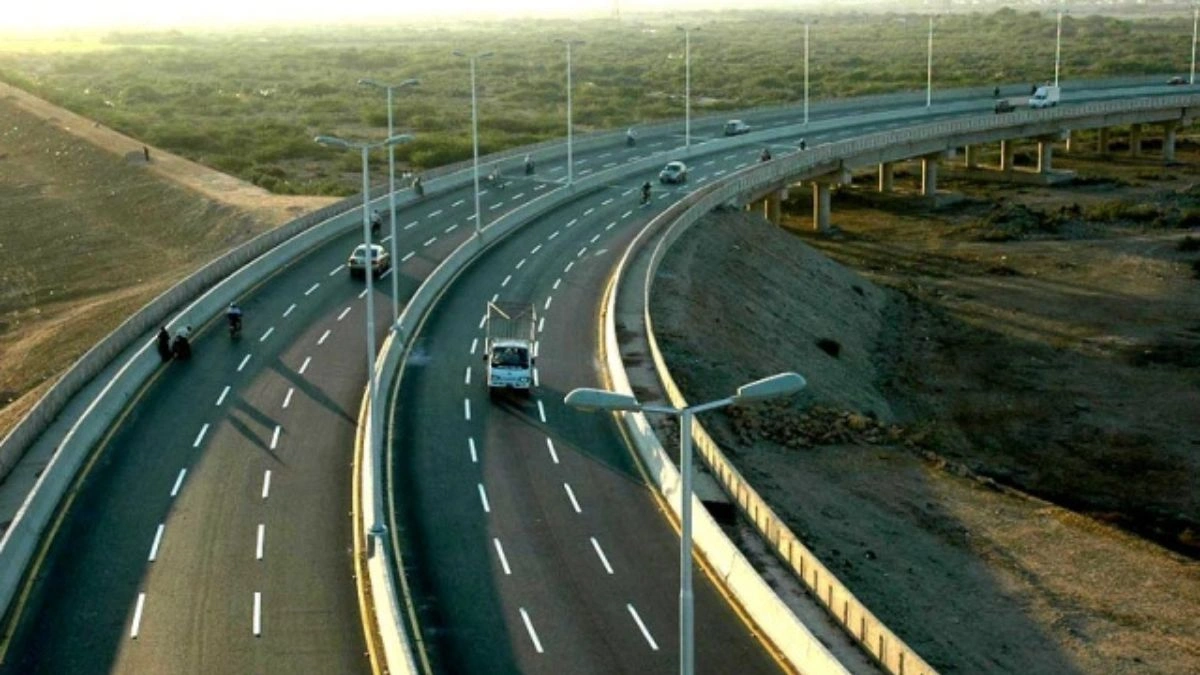
Financing Future: PPP Models for Pakistan’s Development
Given the country’s limited fiscal space, Minister Iqbal highlighted the CDWP’s directive. The Ministry of Communications and the National Highway Authority (NHA) must explore alternative financing for the Lahore-Sahiwal Motorway project. A strong emphasis rests on public-private partnership (PPP) models. This strategic move prevents the project’s funding from diverting resources from other critical infrastructure initiatives.
Moreover, the minister listed several high-priority projects. These remain central to the government’s development agenda:
- Timely completion of the Sukkur–Hyderabad Motorway.
- Essential realignment of the Karakoram Highway.
- Crucial dualization of the N-55 connecting Sindh and Khyber Pakhtunkhwa.
- Electrical and mechanical works for the Lowari Tunnel.
- Transformative Khyber Pakhtunkhwa Economic Corridor.
- Pakistan Expressway linking Karachi and Chaman.
- Vital Hoshab–Khuzdar Road project.
The CDWP granted only ‘in principle’ approval for the remaining motorway components. This approval hinges on the NHA’s commitment to seeking PPP financing and substantial provincial contributions. Consequently, final approval requires rigorous compliance, alignment finalization per prime ministerial directives, and successful feasibility studies. This ensures a holistic and fiscally responsible approach.

Balanced Growth: Ensuring Equitable Development Across Pakistan
Minister Iqbal directly addressed criticism regarding regional development. He affirmed the federal government’s commitment to balanced growth across all Pakistani provinces. For instance, current PSDP allocations clearly demonstrate this focus. Balochistan, Pakistan’s largest province by area, received a substantial Rs. 206 billion. Sindh followed closely with Rs. 154 billion, highlighting efforts to reduce disparities and foster inclusive growth.
Ultimately, the minister’s clarification reinforces the government’s dedication. This includes transparent governance, stringent fiscal responsibility, and strategic infrastructure development. The Lahore-Sahiwal Motorway project holds immense potential. However, its future depends on thorough technical feasibility, robust economic viability, and sustainable financing. This rigorous process ensures adherence to national fiscal frameworks and prime ministerial directives. Consequently, all development initiatives will effectively contribute to Pakistan’s balanced growth and prosperity.









