Pakistan’s Electricity Tariff Relief: A Boost for Industry
The federal government has announced significant electricity tariff relief, aiming to boost economic activity and ease financial pressure on key productive sectors. Although the base tariff for fiscal year 2025-26 remains unchanged—despite NEPRA’s recommendation for a reduction—structural adjustments indicate a major shift in the nation’s energy policy. Consequently, this package will bring substantial benefits.

Industrial sectors, which have consistently faced high input costs, are the primary beneficiaries of this relief. These expenses have often hindered their international competitiveness. Power Division officials confirm that industrial electricity tariffs have been cut by a remarkable 26%. Subsequently, the rate will decrease from Rs. 62.99 per unit to Rs. 46.31 per unit. This reduction is anticipated to invigorate the manufacturing sector, potentially spurring increased exports and crucial job creation.
Significant Reductions Across All Sectors
The government’s relief strategy extends broadly across multiple economic segments. Beyond the substantial cut for industries, the agricultural sector will also benefit significantly. This vital cornerstone of the national economy will see a 16% reduction in electricity rates. This particular measure aims to reduce farmers’ production costs, especially for those using electric tube wells for irrigation. Therefore, it will support national food security and boost rural income levels.
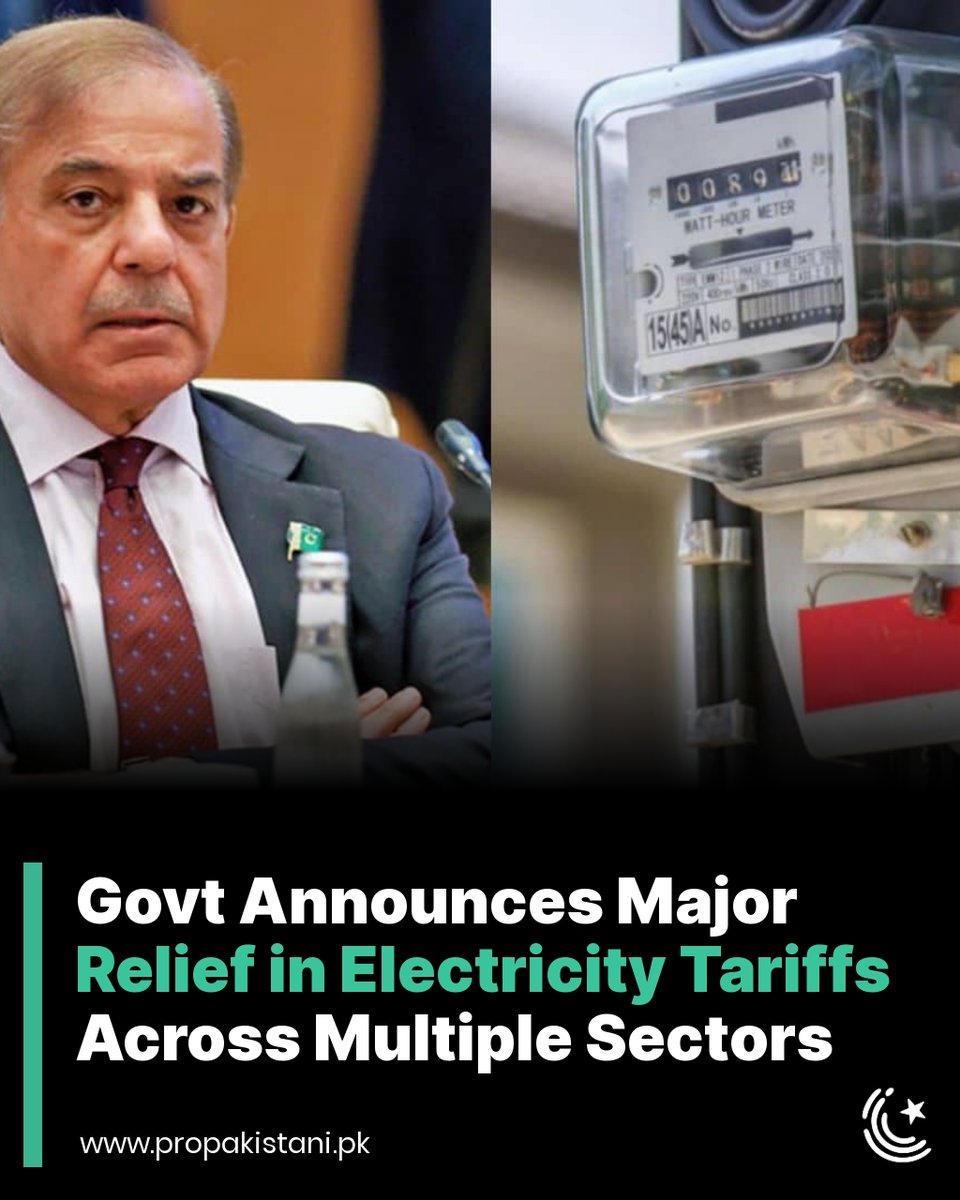
Additionally, commercial consumers and general services are included in this new pricing structure. Commercial rates will decrease by 11%. Similarly, tariffs for general services have been cut by 12%. Furthermore, bulk consumers can expect a 15% reduction. Arguably, the most dramatic change applies to Azad Jammu and Kashmir (AJK). Here, electricity tariffs have been slashed by an impressive 46%, addressing recent administrative briefings and regional calls for tariff parity.
NEPRA’s Input and Government’s Strategic Choice
The decision-making behind this electricity tariff relief involved intricate discussions between the regulator and the federal cabinet. NEPRA had initially approved a reduction of Rs. 0.62 per unit in the base tariff. This recommendation followed a public hearing and was subsequently forwarded to the government. According to NEPRA’s calculations, the base tariff was expected to fall from Rs. 34 per unit to Rs. 33.38 per unit.

Despite NEPRA’s recommendation, the federal government chose to maintain the existing base tariff. This choice highlights a cautious strategy to preserve the financial health of Power Distribution Companies (DISCOs). At the same time, it addresses the persistent circular debt crisis. By maintaining the base tariff yet reducing actual costs through other adjustments, the government aims to balance consumer benefits with the strict fiscal requirements of international programs, notably those involving the IMF.
Streamlining Subsidies and Economic Gains
A key aspect of this new tariff regime involves a significant reduction in cross-subsidies. Officials confirmed that cross-subsidies have decreased by Rs. 123 billion. They have fallen from Rs. 225 billion to Rs. 102 billion. This rationalization marks a crucial step towards electricity pricing that accurately reflects the true cost of service for each consumer category. Economists have long championed this reform to prevent market distortions.

Consequently, these strategic adjustments are projected to lower the national average electricity tariff. It will drop from Rs. 53.04 per unit to Rs. 42.27 per unit. This weighted average reduction is expected to alleviate overall inflationary pressure across the economy. Industry representatives have largely applauded this development. They emphasize that reduced energy costs are paramount for attracting new investments in manufacturing and ensuring Pakistani products remain globally competitive.
Looking Ahead: Implementation and Long-Term Vision
The new tariff structure is set to commence at the beginning of the 2025-26 fiscal year. Power Division officials stress that these measures form part of wider power sector reforms. These reforms aim to guarantee long-term financial sustainability. Although the immediate electricity tariff relief is substantial, the government still faces pressure to tackle the root causes of high energy costs. These causes include transmission losses and rampant power theft.
In conclusion, the 26% cut for industries and the double-digit relief for agricultural and commercial sectors mark a decisive move toward economic growth. By prioritizing the economy’s productive sectors, the government intends to foster a positive cycle. This cycle includes increased production, higher exports, and improved tax revenues. Ultimately, this will lead to a more stable and affordable energy landscape for all citizens.