
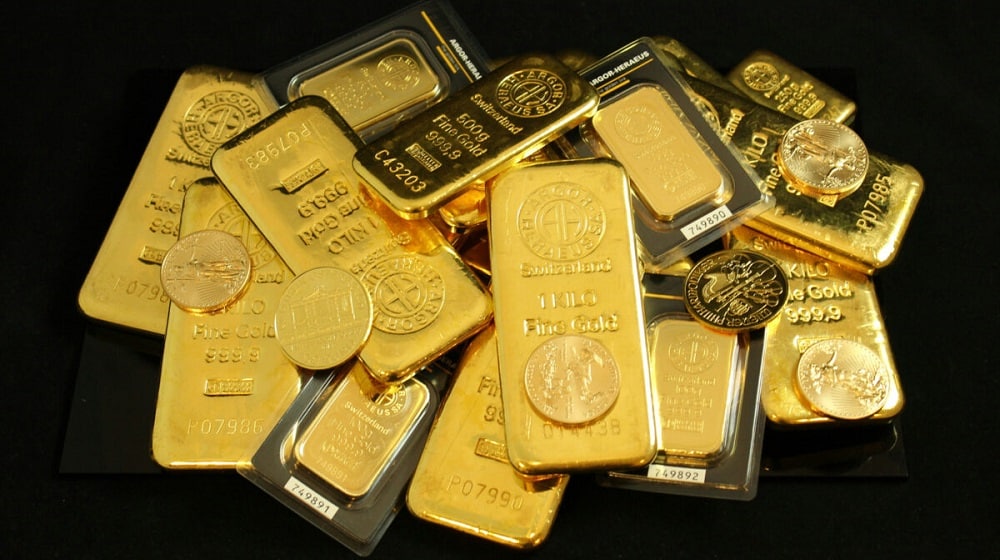
Understanding the Calibrated Surge in Precious Metals
Pakistan’s economic landscape experienced a significant structural adjustment on Monday as gold and silver prices in Pakistan surged to unexpected record highs. This calibrated increase, mirroring substantial gains in international markets, indicates a pivotal shift in asset valuation. For instance, the price of gold per tola ascended by Rs. 10,900, reaching Rs. 532,062. Furthermore, 10-gram gold units were transacted at Rs. 456,157, marking an increase of Rs. 9,345, according to the All-Pakistan Gems and Jewellers Sarafa Association (APGJSA). This immediate surge follows a prior increase on Saturday, when gold per tola had already reached Rs. 521,162, solidifying a trend of escalating valuations.
The Translation: Deconstructing Market Dynamics
The recent spike in gold silver prices Pakistan is not an isolated event; rather, it is directly correlated with global economic forces. Internationally, the gold rate transcended the significant $5,000 per ounce threshold, ultimately settling at $5,097 per ounce after gaining $109. This global rally, fortified by a $20 premium, was strategically underpinned by several interconnected factors:
- Safety Flows: Investors often pivot to gold as a secure asset during periods of heightened economic uncertainty.
- Dollar Weakness: A depreciating U.S. dollar typically renders dollar-denominated commodities, like gold, more attractive to international buyers.
- Geopolitical Tensions: Analysts specifically cited turbulent global markets, marked by tensions concerning Greenland and Iran, as catalysts for investor caution.
- Yen Volatility: Fluctuations in the Japanese Yen further contributed to the overall market instability, compelling a flight to safety.
Concurrently, silver prices within Pakistan also registered a notable increase, rising by Rs. 627 to reach Rs. 11,428 per tola. This parallel ascent underscores a systemic response across the precious metals sector.
The Socio-Economic Impact: Daily Life and Asset Management
For the average Pakistani citizen, the escalation of gold and silver prices in Pakistan carries profound implications across various socio-economic strata. Primarily, this surge impacts household savings and investment portfolios. Families traditionally holding gold as a tangible asset for security or future events, such as weddings, now find their wealth valuation significantly enhanced. However, for those planning new purchases, the cost of acquiring these precious metals has become substantially higher. Consequently, this shift influences consumer spending patterns, potentially diverting capital from other sectors of the economy.
Students and professionals considering asset diversification must recalibrate their investment strategies in light of these volatile market conditions. The increased value of precious metals can provide a hedge against inflation, yet entry barriers for new investors have risen. Strategically, this market behavior prompts a national discourse on economic resilience and the importance of diversified financial planning to navigate global economic headwinds.
The “Forward Path”: A Stabilization Move Amidst Volatility for Gold Silver Prices Pakistan
The current trajectory of gold silver prices Pakistan represents a Stabilization Move rather than a definitive Momentum Shift. While the immediate gains are substantial, they are primarily reactive to external global instabilities, including geopolitical tensions and currency fluctuations. This behavior suggests that investors are seeking a baseline of security amidst a volatile international financial environment. Therefore, while individual and national wealth indicators may show an upward trend in nominal terms, the underlying catalyst is an increased demand for safe-haven assets, signaling caution rather than aggressive economic expansion. A sustained “Momentum Shift” would necessitate broader domestic economic reforms and organic growth drivers, distinct from external market reactions.








