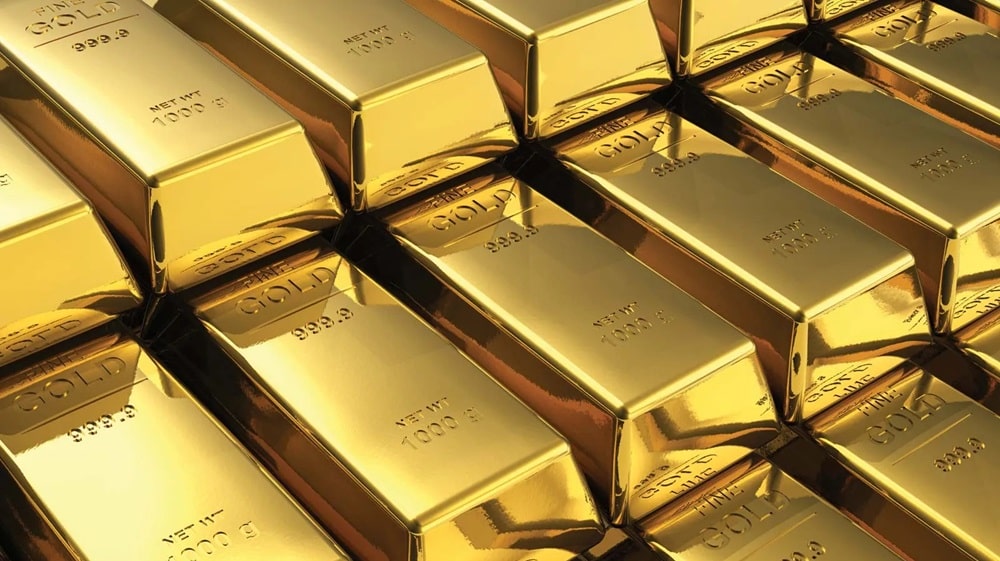
The recent decline in Pakistan gold prices, marked by a per tola fall of Rs. 1,500 to Rs. 530,562, signals a critical inflection point in the nation’s economic architecture. This reduction, tracking international market shifts, initially appears favorable. However, a deeper analysis reveals underlying systemic volatility and potential devaluation of the local currency, complicating the economic landscape for citizens and investors alike. This situation demands a precise understanding of global and local financial drivers.
The Translation: Deconstructing Precious Metal Dynamics

This calibrated adjustment in gold valuations, particularly the Rs. 1,500 per tola reduction in Pakistan gold prices in the local market, directly mirrors a $15 fall in the international gold price per ounce, which settled at $5,082. This correlation underscores the global interconnectedness of commodity markets. Importantly, while gold depreciated, silver recorded a significant surge. Internationally, silver ascended by $2.12 to a record high of $111.65 per ounce.
Consequently, local silver prices also moved higher, with silver per tola jumping by Rs. 212 to Rs. 11,640. The price of 10 grams of silver increased by Rs. 182 to Rs. 9,979, touching record levels. Such divergent movements are characteristic of a market grappling with complex fiscal pressures and shifting investor sentiment, rather than robust economic health. Furthermore, these fluctuations are often a direct response to global geopolitical shifts and local monetary policy decisions.
The Socio-Economic Impact: Repercussions for Pakistani Households

This apparent fall in Pakistan gold prices does not inherently translate into widespread economic relief for the average Pakistani citizen. Primarily, declining gold values in a climate of currency instability can indicate a devaluing rupee. This diminishes purchasing power for imported goods and essential commodities. Consequently, households may observe an increase in the cost of living despite the localized reduction in gold’s nominal price.
For students contemplating international education or professionals engaged in import/export, this structural imbalance translates into higher financial barriers. Urban families saving for significant life events, such as weddings, often rely on gold as a stable asset. This current volatility, therefore, introduces an element of risk into traditional savings strategies, demanding a recalibration of investment approaches. Moreover, the surging silver prices present a mixed signal, potentially offering alternative investment avenues but also reflecting a flight to perceived safer assets amidst broader economic uncertainty.
The “Forward Path”: Assessing Systemic Economic Trajectories
This current trend represents a Stabilization Move rather than a true Momentum Shift towards robust national advancement. While the decline in gold prices might seem like a positive shift on the surface, its root cause in international market corrections combined with a simultaneous surge in silver indicates a market attempting to find equilibrium under duress. True momentum shift would be evidenced by sustained, organic growth in economic indicators, decoupled from external volatility, and a strengthened local currency.
Therefore, strategic policy interventions are paramount. A calibrated fiscal approach, focusing on enhancing export competitiveness and attracting stable foreign direct investment, remains crucial. Precision in monetary policy is required to prevent further erosion of the rupee’s value, thereby safeguarding the financial baseline for every Pakistani citizen and fostering genuine economic progress. This demands a long-term vision and disciplined execution.