

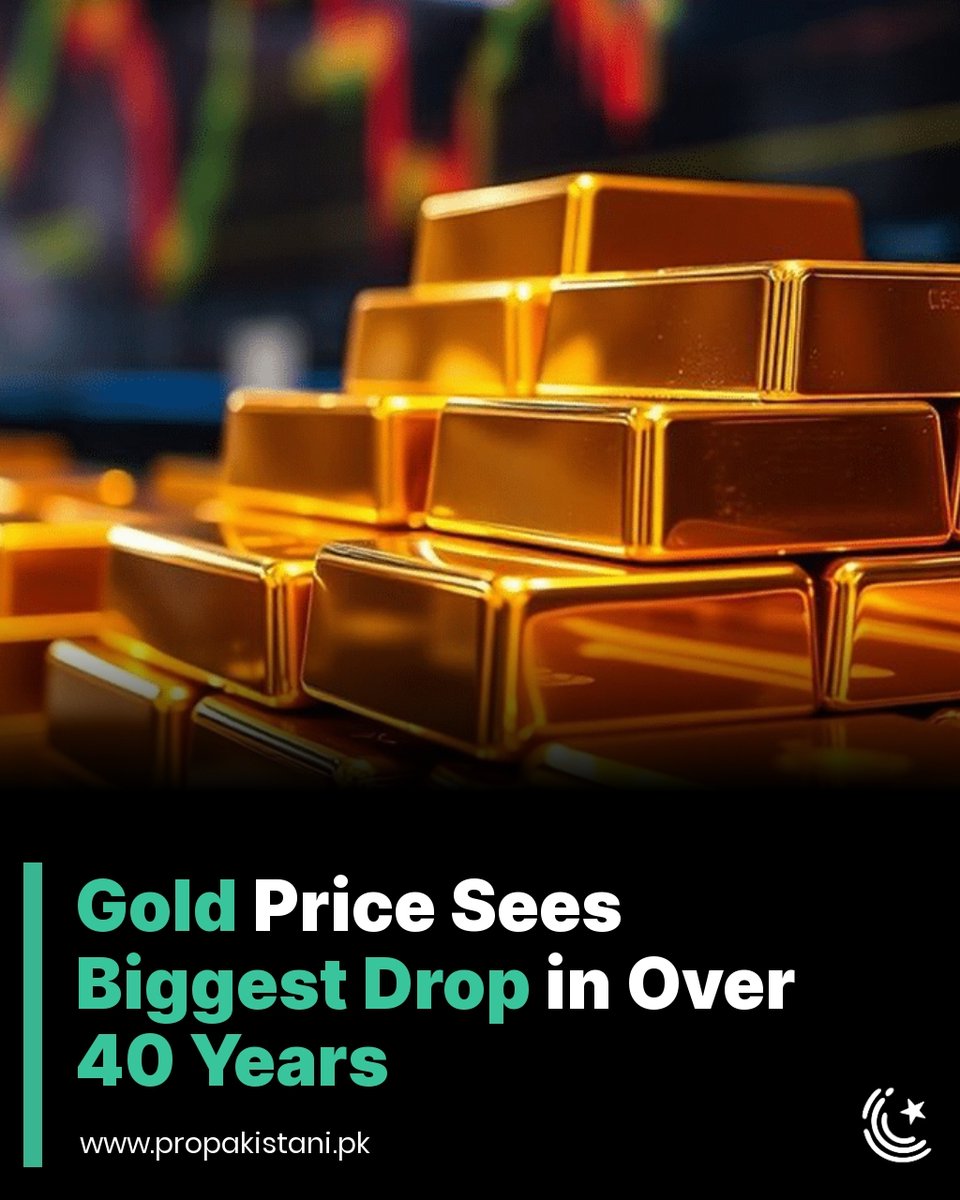
Pakistan’s economic landscape now registers a significant gold price drop, marking the steepest weekly decline in over four decades. The precious metal has contracted by nearly 20 percent from its peak earlier this year, slipping below the $4,400 per ounce threshold to approximately $4,372. This recalibration reflects a systemic shift in investor sentiment, moving away from conventional safe-haven asset allocation amidst evolving global economic indicators.
The Translation: Deconstructing Market Dynamics
The current market trajectory for gold is structurally linked to a critical reassessment of interest rate outlooks. Previously, analysts projected rate cuts; however, the prevailing consensus anticipates borrowing costs will remain elevated for a more extended period. This adjustment is a direct response to persistent inflation risks, which continue to challenge monetary policy frameworks globally. Consequently, bond yields and the U.S. dollar have gained strength, diminishing gold’s relative attractiveness as an investment vehicle. This occurs despite ongoing geopolitical uncertainties, diverging from historical patterns where conflict typically bolsters gold demand.
The Socio-Economic Impact: Daily Life in Pakistan
This substantial gold price drop will have a tangible impact on the financial decisions of Pakistani citizens. For households, particularly those considering gold as a traditional store of wealth or for matrimonial purposes, the reduced price point could present a strategic purchasing opportunity. Conversely, individuals who invested in gold at its recent peak may experience a depreciation in asset value. For professionals and students monitoring economic indicators, this development signifies a shift in global monetary policy, influencing local inflation and investment strategies. It is a direct signal of how international financial forces precisely calibrate domestic economic stability.
The Forward Path: Momentum Shift or Stabilization Move?
The data indicates this specific gold market event represents a Stabilization Move. The market is recalibrating its expectations regarding inflation and interest rates, prioritizing monetary policy precision over traditional safe-haven demand. While the scale of the decline is significant, it reflects an adjustment to new economic baselines rather than a systemic collapse. This move aims to stabilize broader financial systems by aligning asset values with revised interest rate projections. It signals a disciplined approach to managing economic variables, even if it introduces short-term volatility for specific commodities.

Reports corroborate that this slide constitutes gold’s most significant weekly fall in over four decades. The rapid loss of momentum from its earlier peak has exceeded many market expectations. This correction has also drawn prices towards multi-month lows, prompting traders to closely monitor critical support levels in the forthcoming sessions. This structural shift necessitates a proactive approach to portfolio management and economic forecasting, particularly for those with significant exposure to precious metal assets.









