Precious Metals Rally: Why Gold and Silver Are Soaring
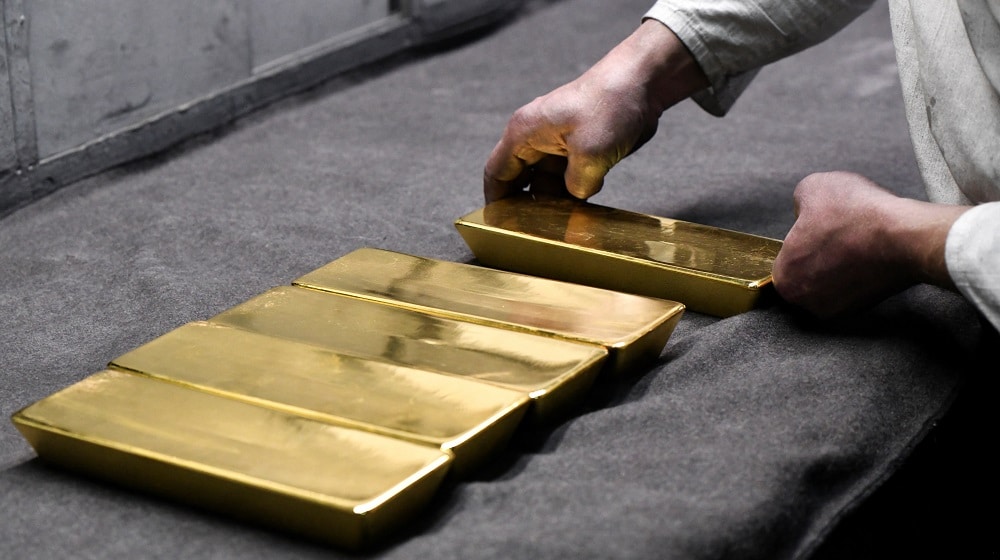
The global financial landscape is experiencing a significant shift. Both gold and silver prices have surged to unprecedented record highs. This remarkable precious metals rally isn’t an isolated event. Instead, it reflects powerful geopolitical tensions, pervasive economic uncertainty, and evolving expectations surrounding global interest rates. Investors worldwide are now turning to these age-old stores of value. They seek refuge from the volatility and instability characterizing contemporary markets.
For centuries, people have cherished gold and silver. They are not just beautiful, but also offer stability during turmoil. Their recent performance underscores their enduring role as safe-haven assets. These metals offer a tangible hedge against inflation, currency devaluation, and systemic risk. Understanding the multifaceted drivers behind this historic surge is crucial. This knowledge benefits investors, policymakers, and market observers alike as we navigate complex global dynamics.
Geopolitical Tensions Fuel the Gold and Silver Surge
Conflict and Instability Drive Investor Flight
Escalating geopolitical instability is a primary catalyst propelling gold and silver to new peaks. Various regions across the world face protracted conflicts and rising tensions. Consequently, the sense of a precarious international order is palpable. Such environments naturally foster a flight to quality. Investors divest from riskier assets like equities. They then seek the perceived safety of precious metals.
Recent events include regional skirmishes, trade disputes, and heightened rhetoric. These factors contribute to an unpredictable climate, undermining confidence in traditional investments. Historically, gold has acted as a reliable barometer of geopolitical stress. Its value often appreciates in direct correlation with the perceived threat of conflict. Similarly, silver, while also an industrial metal, often mirrors gold’s movements. This occurs during periods of acute geopolitical risk.

Economic Forces Behind the Precious Metals Rally
Inflation, Interest Rates, and a Weaker Dollar
Beyond geopolitics, a complex web of economic factors also fuels the precious metals rally. Persistent inflationary pressures in major economies erode purchasing power. This prompts investors to seek assets that preserve wealth. Gold and silver, with their inherent value and finite supply, act as superior inflation hedges. They contrast sharply with fiat currencies, which monetary expansion can debase.
Furthermore, expectations of future interest rate policies significantly impact prices. The U.S. Federal Reserve’s potential rate cuts, in response to slowing growth, make non-yielding assets like gold more attractive. Lower interest rates typically reduce returns on interest-bearing alternatives such as bonds. Concurrently, a weakening U.S. dollar, often a consequence of dovish monetary policy, makes dollar-denominated commodities more affordable for international buyers. This further bolsters demand.

The Enduring Appeal: Why Gold and Silver Are Safe Havens
The concept of gold and silver as “safe haven” assets is deeply rooted in financial history. Unlike stocks or bonds, their value isn’t directly tied to corporate earnings or government solvency. Therefore, they become attractive during economic and political stress. They represent tangible wealth. Importantly, central banks cannot print these physical assets into existence. This offers a perceived safeguard against currency devaluation and systemic financial collapse.
Investors view these metals as a robust store of value. This is especially true when confidence in traditional financial systems wanes. During crises, demand for physical gold and silver often surges. This indicates a desire for assets outside direct financial institution control. This psychological aspect, combined with their historical performance, reinforces their role. They are preferred instruments for capital preservation.

Market Dynamics: Supply, Demand, and Investor Psychology
Beyond macro-economic and geopolitical drivers, inherent market dynamics also affect gold and silver prices. While mining output remains relatively stable, significant shifts in investment demand impact prices profoundly. For instance, central banks have been major net buyers of gold recently. They diversify reserves away from traditional fiat currencies. This adds another layer of demand to the market.
Retail investors also play a crucial role through ETFs and physical purchases. They often react to headline news and market sentiment. Furthermore, speculative trading by institutional investors amplifies price swings. These entities position themselves to profit from anticipated shifts. The interplay between these diverse demand segments and relatively inelastic supply creates significant price movements, especially during uncertainty. This dynamic further fuels the precious metals rally.

What Drives Future Precious Metals Prices?
The future trajectory of gold and silver prices will continue evolving. Forces currently driving their ascent will shape this path. Geopolitical developments remain critical. This includes the resolution or escalation of existing conflicts, and new flashpoints. Any significant de-escalation of global tensions could reduce safe-haven demand. Conversely, further instability would likely support prices.
Economic policies are also pivotal, especially interest rate directions from major central banks. If inflation proves more stubborn, or central banks adopt hawkish stances, upward momentum could be challenged. Conversely, a continued dovish pivot or a weaker U.S. dollar would likely sustain interest. Therefore, monitoring global economic growth, consumer sentiment, and industrial silver demand offers valuable insights.

Conclusion: Navigating Volatility with Gold and Silver
The record-breaking surge in gold and silver prices reflects a profound shift. Global investor sentiment drives this, fueled by a potent cocktail of uncertainties. These precious metals once again assert their historical role. They serve as indispensable safe havens, offering stability and value. Traditional financial markets currently feel increasingly fragile. While the path ahead remains uncertain, the underlying drivers show little sign of dissipating. This includes global instability, inflation concerns, and evolving monetary policies.
For investors, the current environment emphasizes portfolio diversification. Precious metals play a crucial role in mitigating risk. The world navigates a new global order, marked by volatility and unpredictability. In this context, gold and silver continue to shine brightly. They serve as enduring symbols of wealth and security. Their recent performance powerfully reminds us of their timeless appeal and fundamental importance during crises. The ongoing precious metals rally highlights their significance.