The global energy landscape registers a significant shift as global oil prices officially surge past $90 per barrel, marking a two-year high. This calibrated movement, catalyzed by escalating geopolitical tensions and supply chain recalibrations, presents a structural challenge for Pakistan. Consequently, understanding the underlying drivers and formulating a strategic national response is paramount to safeguard economic stability and citizen welfare.
Understanding the Structural Shift in Energy Benchmarks

This unprecedented rise in crude benchmarks—with Brent crude reaching $90.91 per barrel and US West Texas Intermediate (WTI) climbing to $88.8—is not merely a transient market fluctuation. Furthermore, Murban crude recorded an acute increase, hitting $100.6 per barrel. This acute upward trajectory directly correlates with heightened geopolitical instability, specifically comments from President Trump regarding Iran, and strategic production cuts implemented by key Asian crude processing nations. Therefore, the market now forecasts a new baseline for oil rates, potentially stabilizing at $95 per barrel.

Energy market analysts indicate that logistical factors, such as tanker rates and war-risk insurance premiums in the Gulf region, often precipitate price movements more rapidly than production shifts. Initially, these logistical pressures might cause temporary price hikes that cool off. However, prolonged disruptions fundamentally integrate these negatives, pushing crude rates to sustained higher levels.
Socio-Economic Impact: How Surging Global Oil Prices Affect Pakistani Citizens
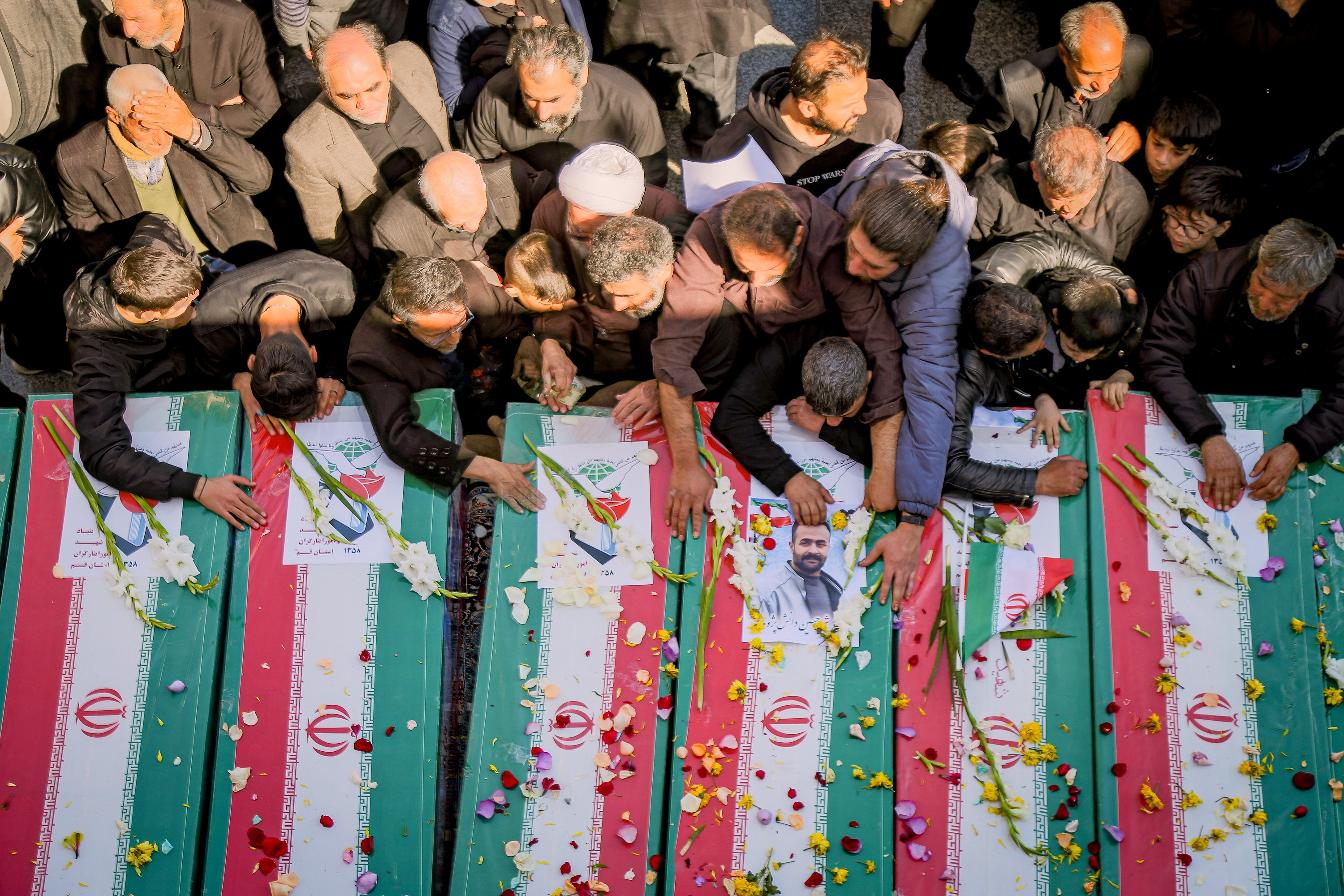
The escalation of global oil prices directly impacts the daily lives of Pakistani citizens across all socio-economic strata. For urban professionals and students, increased fuel costs translate into higher transportation expenses, thereby reducing disposable income. Rural households, frequently reliant on diesel for agricultural machinery and generators, face augmented operational costs, which can elevate food prices due to increased production and transport expenditures. Consequently, this inflationary pressure threatens household budgets, potentially reducing savings and investment capacity. Moreover, the national economy faces an amplified import bill, stressing foreign exchange reserves and potentially decelerating infrastructural development and job creation initiatives.
The Forward Path: A Stabilization Move for National Resilience
This current surge in crude markets represents a critical stabilization move rather than a momentum shift. Faced with elevated global oil prices, Pakistan must strategically recalibrate its national energy policy to fortify against external volatilities. Prioritizing indigenous renewable energy sources, optimizing fuel consumption efficiencies, and diversifying international crude procurement channels are imperative. Furthermore, implementing targeted subsidies and social safety nets can mitigate the immediate impact on vulnerable populations. This disciplined, forward-thinking approach will ensure systemic resilience, transforming a potential economic vulnerability into an opportunity for energy independence and long-term fiscal stability.