

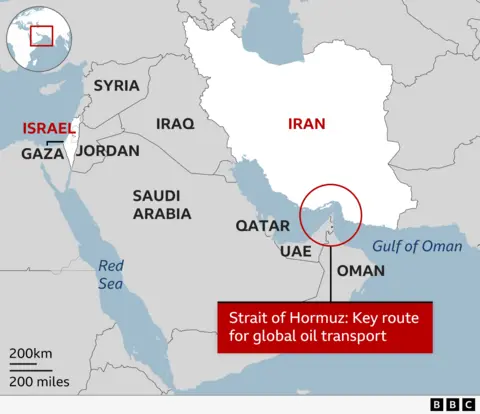
The strategic trajectory of global oil prices has seen a significant calibration, nearing $90 per barrel, as the Strait of Hormuz blockade enters its fifth day. This critical disruption, stemming from intensified US-Israel and Iran geopolitical tensions, directly impedes essential crude and gas flows from the Middle East. Consequently, Brent crude, US West Texas Intermediate, and Murban crude have experienced notable surges, signaling a precise and immediate impact on international energy markets and potentially influencing Pakistan’s energy security framework.
Understanding the Escalation in Global Energy Markets
International energy benchmarks experienced a sharp ascent this Thursday. Brent crude, for instance, rose by $2.44, marking a 3 percent increase to settle at $84 per barrel. Concurrently, US West Texas Intermediate gained $2.45, reflecting a 3.3 percent rise, reaching $77. Furthermore, Murban crude demonstrated an even more significant surge, escalating by 8.53 percent to $88.44 per barrel. This immediate price responsiveness highlights the market’s acute sensitivity to geopolitical instability and its impact on global oil prices.
The geopolitical friction expanded following a US strike targeting an Iranian vessel within the Indian Ocean. In a related development, US lawmakers in the Senate rejected a bipartisan resolution that aimed to de-escalate military operations and curb further hostilities against Iran. These actions collectively contribute to a volatile operational baseline for global energy transit.
Supply pressures intensified as Iraq, OPEC’s second-largest producer, strategically reduced its output by nearly 1.5 million barrels per day. This reduction is primarily attributed to storage constraints and limited export options, underscoring systemic logistical vulnerabilities. Simultaneously, Qatar, a prominent liquefied natural gas exporter in the Gulf, declared force majeure on gas shipments. Analysts project that normal production levels may not resume for at least a month, necessitating a calibrated response from global energy consumers facing rising global oil prices.
Maritime traffic through the Strait of Hormuz has dramatically slowed for the fifth consecutive day due to the escalating conflict and retaliatory measures. Britain’s maritime trade monitoring agency meticulously reported an explosion near a tanker southeast of Kuwait’s Mubarak Al Kabeer port. This incident further heightens security concerns and underscores the critical need for regional stability.
J.P. Morgan’s analysis quantifies the impact, revealing approximately 329 oil tankers currently stranded within the Gulf. Elevated shipping risks precisely deter movement, as Iran has strategically avoided direct attacks on major energy infrastructure. Nevertheless, shipping risks outweigh the imperative to resume operations for all fleet categories in the region, demanding a structural re-evaluation of maritime protocols, particularly given the implications for global oil prices.
The Translation (Clear Context): Decoding the Energy Supply Disruption
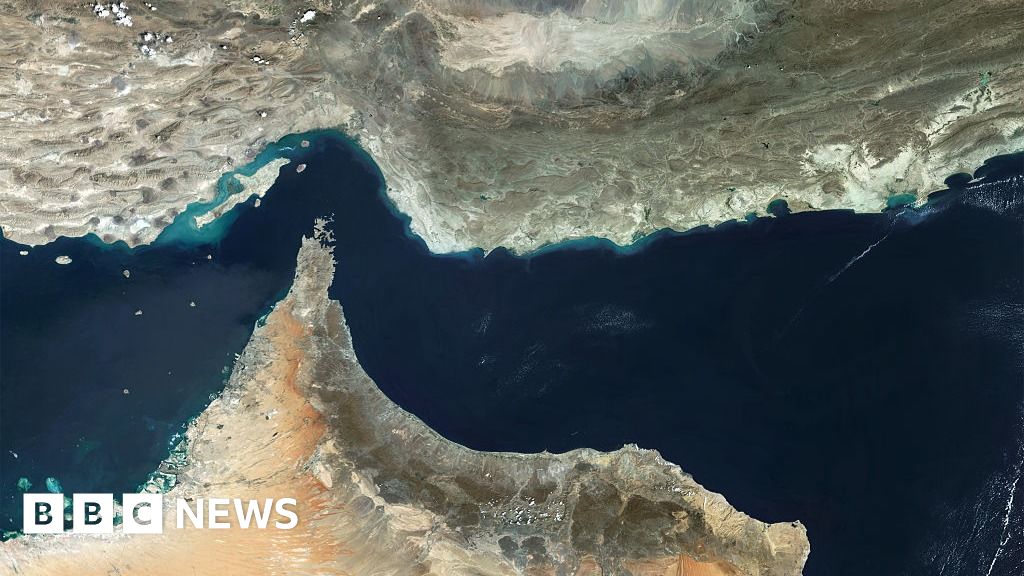
This escalating situation transcends mere price fluctuations; it represents a significant challenge to global energy supply chain efficiency. The Strait of Hormuz, a narrow sea passage, acts as a pivotal choke point, channeling roughly one-fifth of the world’s total oil consumption and a substantial portion of liquefied natural gas. When maritime operations through this strait are constrained, the immediate consequence is a reduction in available supply, pushing global oil prices upward due to fundamental market dynamics. Therefore, the “blockade” isn’t necessarily a physical barrier but a de-facto operational slowdown induced by heightened security risks and a lack of willingness by shipping companies to transit, thereby creating a supply bottleneck.
The reduction in output by Iraq and Qatar’s force majeure declaration are not isolated incidents; they are direct, structural responses to the prevailing insecurity. Iraq’s decision reflects a calculated risk assessment concerning its export infrastructure, while Qatar’s move ensures the safety of its critical LNG assets. These actions, consequently, remove significant volumes from the global market, intensifying the supply-demand imbalance.
The Socio-Economic Impact: Calibrating Daily Life for Pakistanis Amidst Surging Global Oil Prices
For Pakistani citizens, this surge in global oil prices translates directly into increased costs across multiple sectors, impacting daily life with calibrated precision. Students and professionals commuting in urban centers will face higher transportation expenses, placing additional strain on household budgets. Farmers in rural Pakistan, dependent on diesel for agricultural machinery and water pumps, will experience elevated operational costs, potentially leading to increased food prices. This structural shift in energy costs can trigger inflationary pressures, diminishing the purchasing power of families nationwide. Furthermore, industries reliant on imported crude and natural gas, such as manufacturing and power generation, will incur higher input costs, potentially affecting employment stability and economic growth forecasts.
The situation necessitates proactive strategic planning for Pakistan’s energy security. Dependence on imported fossil fuels exposes the nation to external geopolitical volatilities. Consequently, accelerating domestic renewable energy projects and diversifying energy sources becomes a national imperative to mitigate such economic shocks. This scenario underscores the urgency for a resilient and diversified energy matrix.
The “Forward Path” (Opinion): A Stabilization Move with Systemic Imperatives
This development primarily represents a Stabilization Move. While the immediate impact manifests as increased volatility and price surges, the core actions by nations and shipping entities are geared towards mitigating direct conflict and safeguarding assets, rather than initiating a new phase of economic expansion. The aim is to establish a new, albeit elevated, baseline for risk and cost. However, it simultaneously acts as a powerful catalyst for systemic re-evaluation.
For Pakistan, this situation is not merely a transient challenge but a structural imperative to expedite energy independence. It reinforces the need for strategic investments in indigenous energy resources, including hydroelectric, solar, and wind power. Consequently, a long-term “Momentum Shift” towards sustainable energy solutions becomes critical to insulate the nation from future external shocks and ensure a stable, prosperous future.








