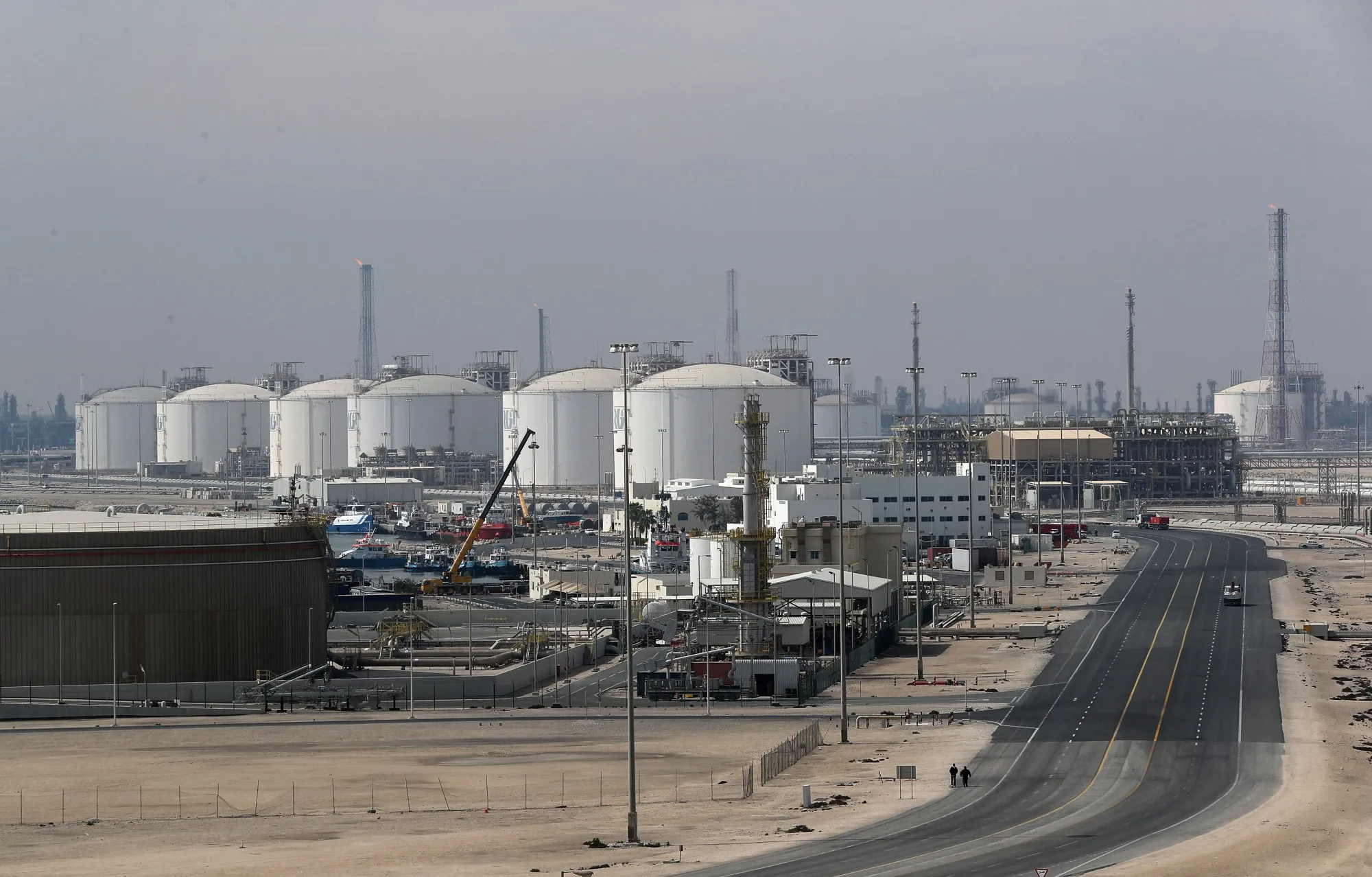
A significant disruption to global energy prices has occurred, with European natural gas prices surging by nearly 50 percent. This critical increase follows QatarEnergy’s decision to halt production at the world’s largest Liquefied Natural Gas (LNG) plant. The move was a direct consequence of escalating regional tensions, specifically after Iran’s airstrikes on a US military base. Furthermore, Saudi Arabia also announced a temporary closure of a major oil facility. This event marks a sudden repricing of LNG supply risk, indicating potential sustained volatility across the global energy sector, significantly impacting Asian buyers like Pakistan.
The Translation: Geopolitical Dynamics and Supply Chain Fragility
This incident represents a calculated response to heightened regional instability. QatarEnergy, a pivotal global energy supplier, initiated the production halt hours after the airstrikes. Consequently, this action immediately created a supply-risk scenario within the LNG market. Industry experts emphasize that if this pause extends beyond a short duration, the sector faces prolonged volatility. Marine tracking data confirms a sharp decline in regional traffic over the past 24 hours, structurally indicating disrupted shipping routes and increased logistical complexities for energy transport.

In contrast to Asian nations, European buyers possess a comparatively stronger position to secure alternative LNG cargoes. Their strategic backups include substantial imports from the United States, which currently fulfills almost 60 percent of the European Union’s LNG supply. Other viable sellers, such as Algeria and Azerbaijan, also hold massive storage capacities. This diversified supply chain mitigates immediate European vulnerability.
The Socio-Economic Impact: Calibrating for Pakistan’s Energy Future
For Pakistan, a significant Asian buyer, the implications are profound. A sector expert confirmed that Pakistan could face indefinite delays in receiving scheduled LNG cargoes. This scenario directly impacts industrial operations, power generation, and household energy costs. Ultimately, any sustained disruption threatens to elevate domestic global energy prices, leading to increased inflation and economic pressure on both urban and rural households. Students might experience power outages affecting their studies, while professionals could face higher operational costs in their businesses.
Furthermore, a hypothetical month-long suspension of Qatar’s LNG exports would create a tight, though potentially manageable, global buffer if LNG demand decreases in March 2026. However, even with potential reroutes from Norway and the US, coupled with demand cuts, covering the gap would inevitably cause price spikes. This situation intensifies refilling pressure on global reserves, exacerbating overall global energy prices and complicating long-term strategic planning for energy security.
The Forward Path: A Stabilization Move for Global Energy Prices
This development represents a Stabilization Move rather than a Momentum Shift. While the immediate price surge is significant, the global energy market demonstrates mechanisms to absorb such shocks, albeit with elevated costs. The diversified supply options available to some nations, alongside the potential for demand reduction, indicate an effort to maintain baseline stability. However, this event underscores the urgent need for Pakistan to accelerate its strategic diversification of energy sources. A robust, multi-faceted energy portfolio is critical to insulate the nation from the volatility inherent in a globally interconnected energy landscape. We must proactively build resilience against such external shocks.