Calibrating Air Travel: New In-Flight Power Bank Safety Rules
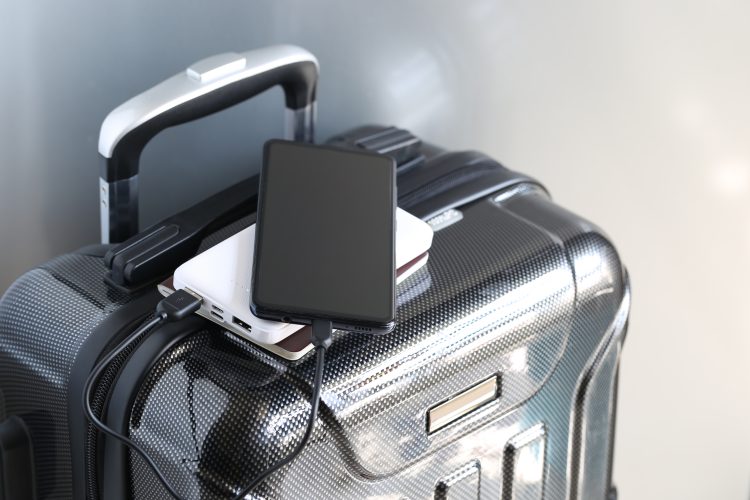
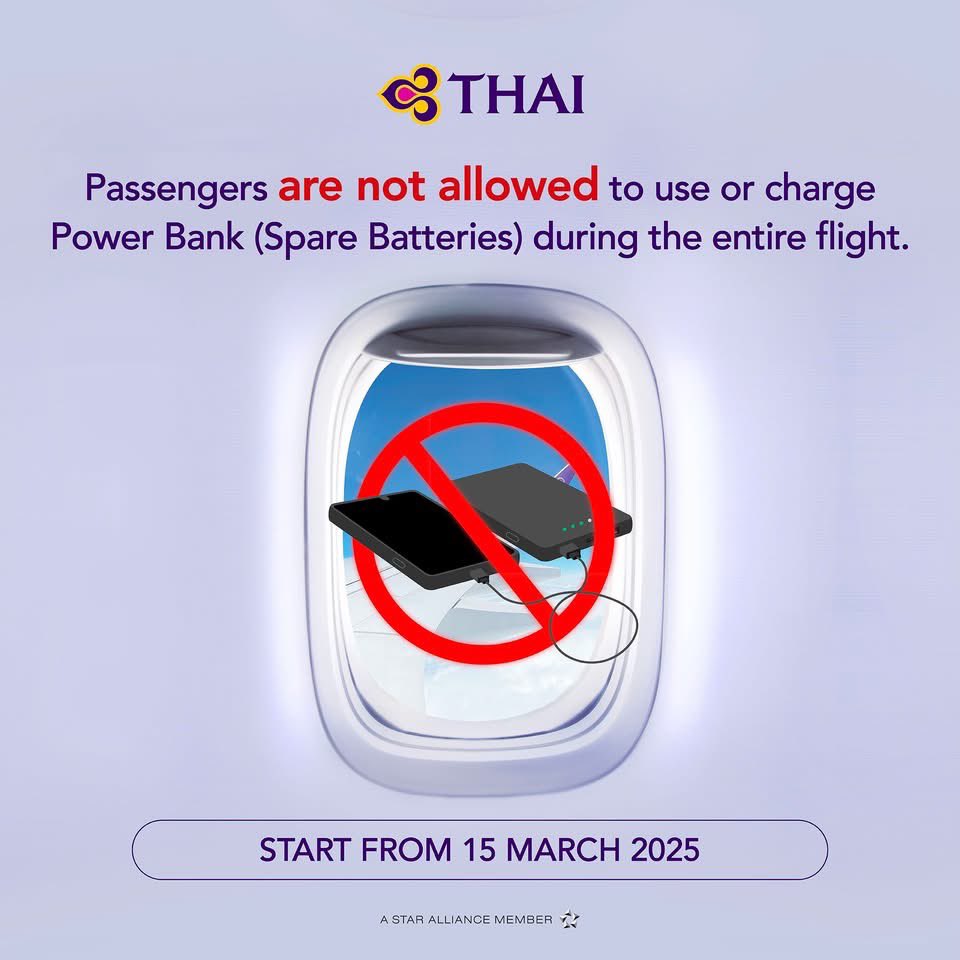
Global aviation standards are being recalibrated to enhance passenger safety and operational efficiency. The International Civil Aviation Organization (ICAO) has implemented new in-flight power bank safety regulations, restricting passengers to two portable battery packs and strictly prohibiting their charging during flights. This critical measure proactively addresses potential lithium battery fire hazards, establishing a new baseline for global aviation protocols to safeguard all airborne journeys. Consequently, travelers must now strategically manage their portable power solutions to comply with these vital updates.
The Translation: Deconstructing Aviation’s Latest Mandate
The ICAO, an autonomous UN agency headquartered in Montreal, systematically develops and adopts international standards and recommended practices for air navigation. Its recent directive immediately restricts the use and charging of portable power banks on aircraft. Furthermore, this structural adjustment is a direct response to the inherent risks associated with lithium-ion batteries. These devices can overheat, sustain damage, or even ignite, posing a significant fire hazard within the confined environment of an aircraft cabin. This regulation represents a decisive move to mitigate systemic risks, transforming existing best practices into a unified global mandate.
The Socio-Economic Impact: Navigating New Travel Logistics
These updated rules will directly influence the daily lives of Pakistani citizens who rely on air travel for business, education, or leisure. Students attending international universities, professionals on critical assignments, and families embarking on vacations must now adjust their pre-flight preparations. For instance, reliance on pre-charged devices will become paramount, necessitating a calibrated approach to gadget usage throughout a flight. This shift impacts urban and rural travelers alike, underscoring the universal need for awareness regarding global travel protocols. Consequently, airlines will likely amplify communication efforts to ensure passenger compliance and foster a safer flying experience.
A Structural Precedent: Global Adoption and Historical Context
Several leading airlines and nations had already initiated similar proactive measures, demonstrating a growing recognition of this safety imperative. For example, the Lufthansa Group and South Korean authorities tightened restrictions following specific battery-related incidents. Notably, a fire broke out on an Air Busan flight in 2025, serving as a stark reminder of the potential dangers posed by lithium battery devices. This precedent underscores ICAO’s role in standardizing what were once disparate national or airline-specific policies into a coherent, global framework. Consequently, broad adoption across ICAO’s 193 member states is anticipated, structurally reinforcing in-flight power bank safety worldwide.

The Forward Path: A Stabilization Move for Systemic Resilience
This development represents a Stabilization Move rather than a radical Momentum Shift. It is a strategic effort to solidify existing safety principles and proactively address known vulnerabilities within the global aviation system. By standardizing restrictions on power banks, ICAO is not merely reacting but establishing a more resilient operational baseline. This precise, preventative action ensures uniform safety standards across all international flights, thereby enhancing overall system efficiency and passenger trust. It reinforces the industry’s commitment to mitigating risks through disciplined, evidence-based regulation.
:max_bytes(150000):strip_icc():focal(735x470:737x472)/portable-cell-phone-charger-alaska-airlines-plane-022326-955127985deb46bb907fe0590c1db1b7.jpg)