
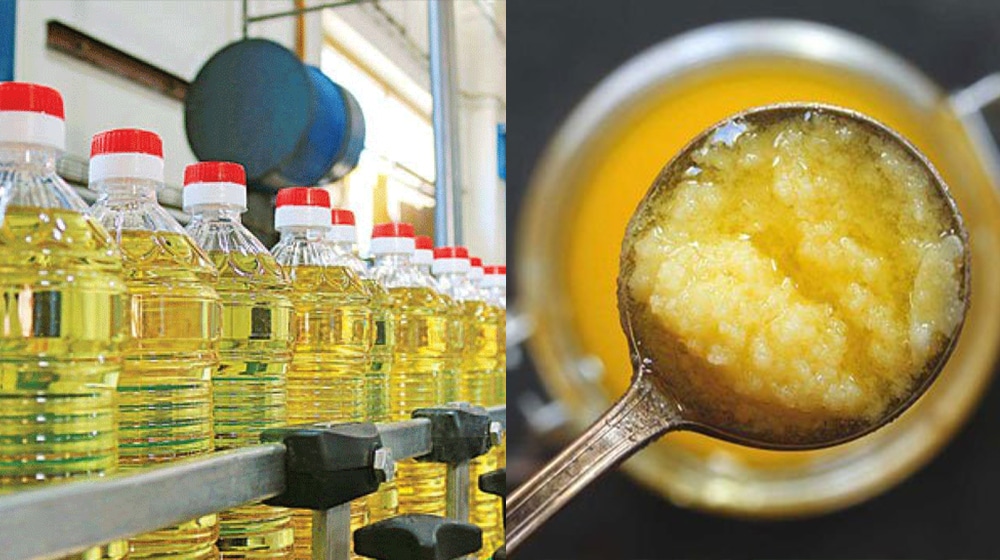
To calibrate household budgets during the sacred month, Punjab has strategically implemented a Ramadan ghee prices reduction, cutting Rs. 10 to Rs. 16 per kilogram or liter of ghee and cooking oil. This immediate consumer relief, announced by Special Assistant to the Chief Minister Salma Butt after discussions with the Pakistan Ghee Mills Association, represents a decisive intervention to stabilize essential commodity costs across the province.
The Translation: Deconstructing Punjab’s Food Policy Adjustment
This policy adjustment ensures that consumers across Punjab will benefit from a standardized discount on all one-kilogram and one-liter packs of ghee and cooking oil throughout Ramadan. Furthermore, the government explicitly stated its readiness to consider additional price reductions if international palm oil prices decline further. This adaptive strategy demonstrates a calibrated approach to commodity pricing.
The initiative stems from a productive meeting between Special Assistant to the Chief Minister Salma Butt and key representatives from the Pakistan Ghee Mills Association, alongside Punjab Food Authority Director General Asim Javaid. This structural collaboration aims not only for affordability but also for an enhanced baseline of quality. Consequently, the government has actively solicited recommendations to fundamentally improve the quality of edible oils available in the market.

Upholding Quality Standards: A Precision Mandate
Punjab Food Authority Director General Asim Javaid affirmed the availability of modern, cost-effective methods for reducing trans fatty acids in edible oils. He detailed that both testing and quality control mechanisms are undergoing significant upgrades, aligning them with rigorous international standards. This commitment underscores a strategic focus on public health and product integrity.
Concurrently, a clear directive has been issued: authorities will implement strict enforcement actions against any vendor found distributing substandard products. In response, the ghee mills representatives have provided an assurance of their commitment to maintaining an adequate supply of quality products within the market, particularly during the increased demand period of Ramadan. This proactive engagement ensures market stability and consumer trust.
The Socio-Economic Impact: Daily Life and Household Budgets
This calibrated reduction in Ramadan ghee prices directly impacts every Pakistani household in Punjab by reducing the financial strain associated with essential cooking ingredients. For students and young professionals managing tight budgets, this relief translates into tangible savings, allowing for better allocation of resources during a period of increased expenses.
Furthermore, in rural and urban households alike, where ghee and cooking oil are fundamental to daily meals, these price adjustments foster greater food security. The assurance of quality improvement, coupled with stricter enforcement against substandard products, means families can purchase essential commodities with enhanced confidence in their safety and nutritional value. Consequently, this initiative supports healthier dietary practices and contributes to overall household well-being.
The “Forward Path”: A Stabilization Move for Essential Commodities
This development represents a “Stabilization Move.” While not a radical momentum shift in broader economic policy, it is a precisely targeted intervention designed to maintain equilibrium in essential commodity markets during a critical period. The government’s responsiveness to industry consultation and its commitment to adjusting prices based on global trends indicate a mature, adaptive governance structure.
The concurrent focus on upgrading quality control mechanisms signifies a progressive vision for consumer protection and public health. This structural approach, combining affordability with uncompromised quality, positions Punjab for enhanced system efficiency in its food supply chain. Such initiatives are foundational for building sustained public trust and economic resilience.








