Calibrating Pakistan’s Energy Future: Addressing the Gas Sector Debt Crisis
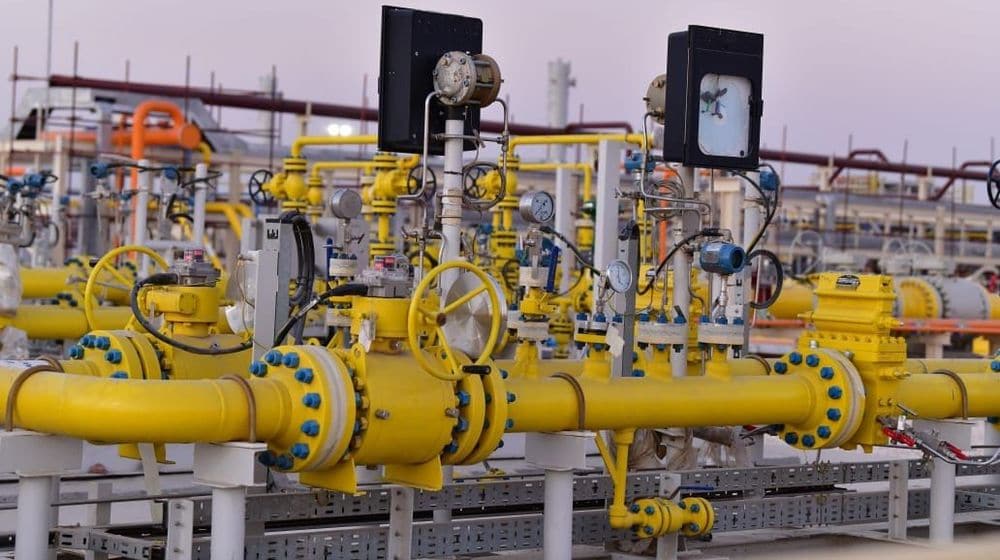
Pakistan faces a structural challenge as its gas sector debt soars to an unprecedented Rs. 3.283 trillion. This alarming figure, highlighted by lawmakers, signals a potential systemic collapse without immediate and strategic reforms. This critical financial burden impacts every aspect of national infrastructure and citizen welfare, demanding urgent policy intervention to stabilize the energy supply chain and prevent cascading economic disruptions.
The Translation: Unpacking Systemic Energy Inefficiencies
The monumental Rs. 3.283 trillion in circular debt within Pakistan’s gas sector is more than just a fiscal number; it represents a deep-rooted operational deficiency. Essentially, circular debt occurs when entities within the gas supply chain—from production to distribution—fail to pay each other on time. Consequently, this creates a domino effect, choking liquidity and hindering essential investments in infrastructure and maintenance. The core issues stem from substantial financial losses, operational inefficiencies, and significant pricing gaps that prevent cost recovery.

Furthermore, critical “unaccounted for gas” (UFG), primarily caused by theft and leakages, exacerbates this financial bleeding. While Sui Northern Gas Pipelines Limited (SNGPL) has calibrated its UFG reduction to 5.27% for FY2025, and Sui Southern Gas Company (SSGC) reports a reduction from 17% to 10%, annual financial losses still approximate Rs. 60 billion collectively. Specifically, 30 billion cubic feet of gas are lost annually by SNGPL, with SSGC losing around 29 billion cubic feet, much originating from Balochistan. These losses are not merely accounting entries; they translate directly into higher tariffs for every Pakistani consumer.
Socio-Economic Impact: The Daily Burden on Citizens
For households, particularly in urban centers and rural areas, the impacts of the escalating Pakistan gas sector debt mean consistently higher utility bills. This directly erodes disposable income, forcing families to allocate more resources to essential energy, thereby limiting spending on education, healthcare, and other vital needs. For students, unreliable gas supply can disrupt study environments, particularly during colder months. Professionals face increased operational costs for businesses, potentially stifling economic growth and job creation.

Moreover, the instability of the gas sector impacts industrial output, as businesses struggle with unpredictable energy costs and supply shortages. This curtails Pakistan’s competitive edge in the regional and global markets. The implicit burden of systemic inefficiencies, therefore, extends beyond financial statements, permeating the socio-economic fabric of the nation and hindering its overall development trajectory.
The Forward Path: Strategic Reforms and Resource Mobilization
To mitigate the crisis, lawmakers advocate for robust structural reforms, including the potential privatization of state-owned gas utilities. This move aims to inject efficiency and reduce government subsidies. However, critical considerations remain regarding market competition and preventing monopolies, which are essential to protect consumer interests. The strategic intent is to foster a more resilient and self-sustaining energy sector.
Concurrently, the Petroleum Division seeks Rs. 4.72 billion in development funding, earmarked for crucial geological surveys and advanced tracking systems. These investments represent a proactive step towards optimizing resource identification and management. Furthermore, the identification of lithium reserves in Gilgit Baltistan and Kotli presents a significant, forward-looking opportunity for Pakistan’s mining sector, potentially diversifying its energy and strategic material portfolio. This discovery could be a catalyst for future economic growth and technological advancement.

Evaluating Progress: Momentum Shift or Stabilization Move?
The current efforts to address Pakistan gas sector debt represent a crucial Stabilization Move rather than a definitive Momentum Shift. While initiatives like UFG reduction and calls for privatization are structurally sound, the sheer scale of the Rs. 3.283 trillion debt and ongoing annual losses indicate that the system is primarily focused on preventing further deterioration. For a true momentum shift, the nation requires bolder, integrated energy policies that transcend incremental reforms. This includes accelerated investment in renewable energy sources, precise demand-side management, and a comprehensive regulatory framework that ensures long-term sustainability and energy independence. The lithium discovery offers a glimpse into a potential future momentum shift, but its integration requires immediate strategic planning and execution to leverage its full potential for national advancement.