

In a strategic move to optimize urban mobility and mitigate economic pressures, the Federal Interior Minister Mohsin Naqvi has announced that all public transport services in Islamabad will be offered as free public transport Islamabad for a calibrated 30-day period. This directive, sanctioned by Prime Minister Shehbaz Sharif, aims to provide immediate financial relief to citizens navigating recent fuel price escalations. The Ministry of Interior will precisely bear the scheme’s estimated cost of Rs. 350 million, ensuring seamless execution from its commencement.
The Translation: Deconstructing Islamabad’s Free Public Transport Initiative
This initiative translates into a significant, albeit temporary, alteration in Islamabad’s daily commute. Traditionally, public transport users incur routine fares for their journeys. However, under this new policy, for one full month, these charges are waived. The decision directly addresses the recent, substantial increase in fuel prices, which saw petrol climb by 42.7% to Rs. 458.41 per litre and high-speed diesel surge by 55% to Rs. 520.35 per litre. Consequently, the government has identified free public transport Islamabad fare waivers as a direct compensatory mechanism.
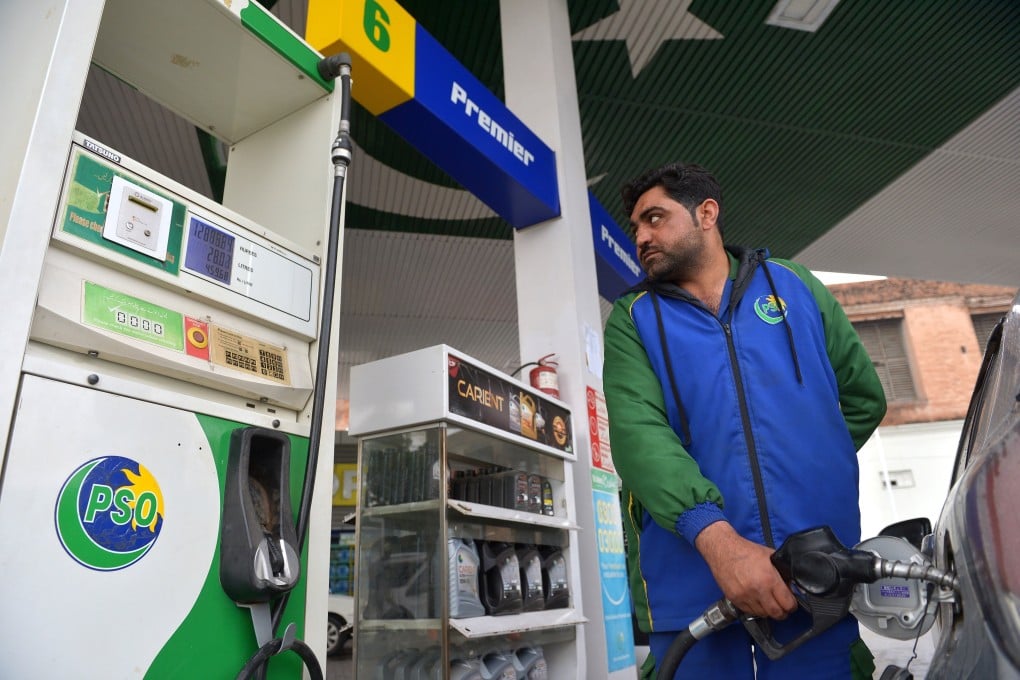
Furthermore, the financial burden of this extensive scheme, totaling Rs. 350 million, will be absorbed entirely by the Ministry of Interior. This structural allocation ensures that public transport operators are compensated for their services, thus maintaining operational continuity without transferring costs to the public during this relief period. Therefore, this policy acts as a direct subsidy to commuters, enhancing accessibility and serving as an urban mobility solution.
Socio-Economic Impact: Calibrating Daily Life for Pakistanis
This initiative profoundly impacts the daily lives of Pakistani citizens, particularly those residing in Islamabad. For students, professionals, and households, the removal of public transport fares translates into immediate, tangible savings. For example, a professional commuting daily could save a substantial amount over the 30-day period, reallocating these funds to other essential expenditures. This financial buffer is especially critical in urban centers like Islamabad, where fuel costs significantly contribute to household budgets.
Moreover, rural Pakistanis visiting the capital for work or other necessities will also benefit from this initiative. It eases their transit within Islamabad, potentially reducing the overall cost of their visit. In contrast, this move may also encourage a temporary shift from private to public transport, potentially reducing traffic congestion and lowering urban carbon footprints, even if briefly. Consequently, this policy offers a baseline for evaluating future urban transit strategies.
The “Forward Path”: A Stabilization Move for Urban Transit
From an architectural perspective, this development represents a “Stabilization Move.” It is a precise intervention designed to absorb and counter the immediate shock of escalating fuel prices rather than a fundamental “Momentum Shift” towards a new public transport paradigm. While providing crucial short-term relief, the policy does not intrinsically restructure the long-term funding or operational models of public transport in Islamabad. However, it strategically stabilizes the cost of living for many citizens.
Nonetheless, this temporary measure establishes a critical precedent. It demonstrates the government’s capability for swift, direct intervention during economic volatility. Future policy formulations could leverage the data and public response from this initiative to design more sustainable, long-term urban mobility solutions that integrate environmental and economic efficiencies. Therefore, while a stabilization, it lays groundwork for potential progress.








