Epic Games has initiated significant Fortnite mode changes, including the discontinuation of three internally developed game modes. This strategic recalibration follows the unfortunate layoff of over 1,000 employees. CEO Tim Sweeney attributes these removals to the modes’ inability to achieve and sustain a substantial player base, indicating a clear pivot towards optimizing resource allocation for core experiences and successful new initiatives.
The Translation: Strategic Recalibration of Fortnite’s Ecosystem
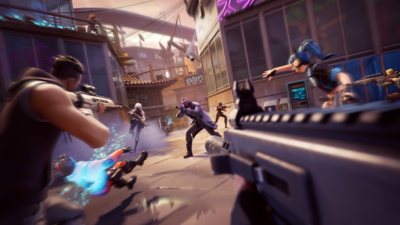
This development signifies a structural shift within Epic Games’ operational framework. Specifically, two key Fortnite mode changes are imminent: Fortnite Ballistic, a first-person 5v5 tactical shooter launched in 2024, and the Fortnite Festival Battle Stage. Both modes are slated for removal on April 16, 2026. Furthermore, Rocket Racing, a UEFN-based mode, will also be discontinued in October 2026. Consequently, this precise action reflects a calculated divestment from underperforming assets, allowing for concentrated development on high-potential projects.
Epic Games has clarified that the broader Fortnite Festival experience will remain active; only its competitive Battle Stage component is being decommissioned. The cessation of Rocket Racing quests and the removal of its track creation template from UEFN are scheduled to commence next week, prior to its full shutdown. However, players will retain their customized vehicles within the main Fortnite game, ensuring that personal assets are preserved.
The Socio-Economic Impact: What This Means for Pakistani Gamers and Creators
For Pakistani citizens, particularly the robust gaming community, these Fortnite mode changes present a dual impact. Firstly, players invested in Ballistic, Festival Battle Stage, or Rocket Racing will experience a direct disruption to their gaming routines and potential competitive engagement. Secondly, however, this pivot could catalyze enhanced and more stable core Fortnite experiences. Consequently, this focus on core development may lead to more refined gameplay, better server stability, and a more robust ecosystem overall, ultimately improving the daily gaming life of students and professionals alike.
Moreover, for aspiring game developers in Pakistan utilizing UEFN, the sustained availability and expansion of these tools offer a critical opportunity. Epic Games confirms that UEFN will continue to support creator initiatives, enabling the development of custom first-person shooters and racing games. Crucially, next month’s UEFN updates will introduce advanced features such as car physics, hazards, and specialized track-building tools like the Track Spline tool and Speed Boost devices. This expansion provides Pakistani creators with sophisticated resources to innovate and contribute to the global digital frontier.
The Forward Path: A Strategic Momentum Shift for Digital Innovation
These developments represent a definitive “Momentum Shift” rather than merely a “Stabilization Move.” Epic Games is strategically pruning its portfolio to reallocate resources towards areas demonstrating higher efficacy and growth potential. The layoffs, while regrettable, underscore a commitment to operational efficiency and long-term sustainability. Furthermore, the sustained investment in UEFN—especially with upcoming enhancements—positions it as a robust platform for future innovation. This precise calibration is designed to foster a more efficient development cycle, ultimately benefiting the overall digital entertainment landscape and empowering a new generation of content creators.
Before Rocket Racing‘s final discontinuation, developers possess the option to transfer compatible content to standalone UEFN islands, ensuring asset preservation and continuity. Epic Games also affirms that music will remain a fundamental component of Fortnite, with planned updates for Festival Main Stage, Jam Stage, and other music-centric features. This strategic focus ensures that core experiential elements continue to evolve, maintaining player engagement and cultural relevance.