Strategic Imperative: Realigning Babar Azam’s T20 Role for Peak Performance
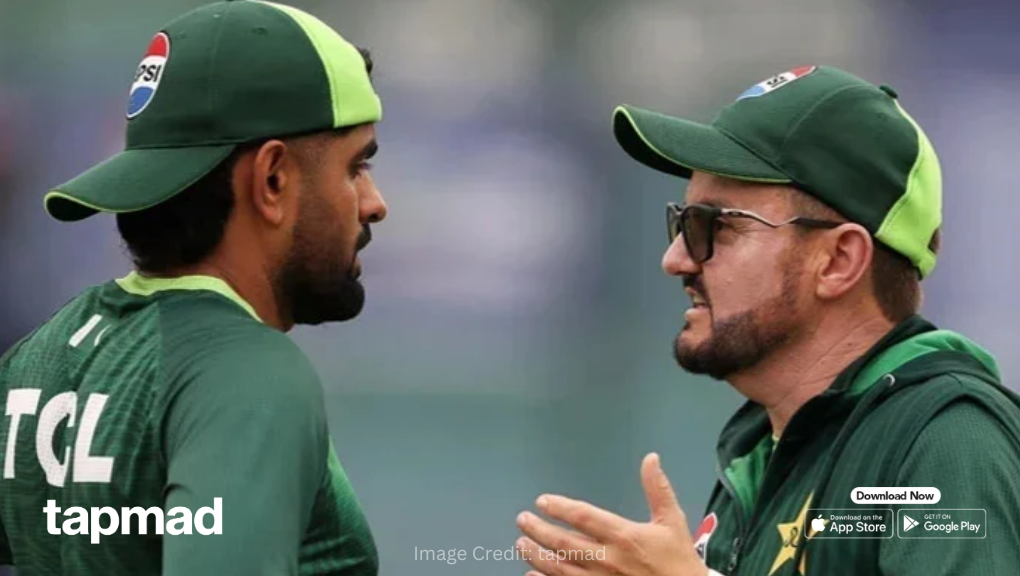
National cricketing strategy demands precise player role calibration to maximize team efficiency. Former South Africa captain Faf du Plessis recently underscored the urgent need for candid, data-driven discussions between Pakistan’s star batter, Babar Azam, and Head Coach Mike Hesson. The objective is to unlock Babar Azam’s full potential within the dynamic landscape of modern T20 cricket, strategically refining his Babar Azam T20 Role to ensure Pakistan’s sustained competitive advantage. This structural adjustment is paramount for advancing our national team’s operational capabilities.
The Translation: Calibrating Expectations for Modern T20
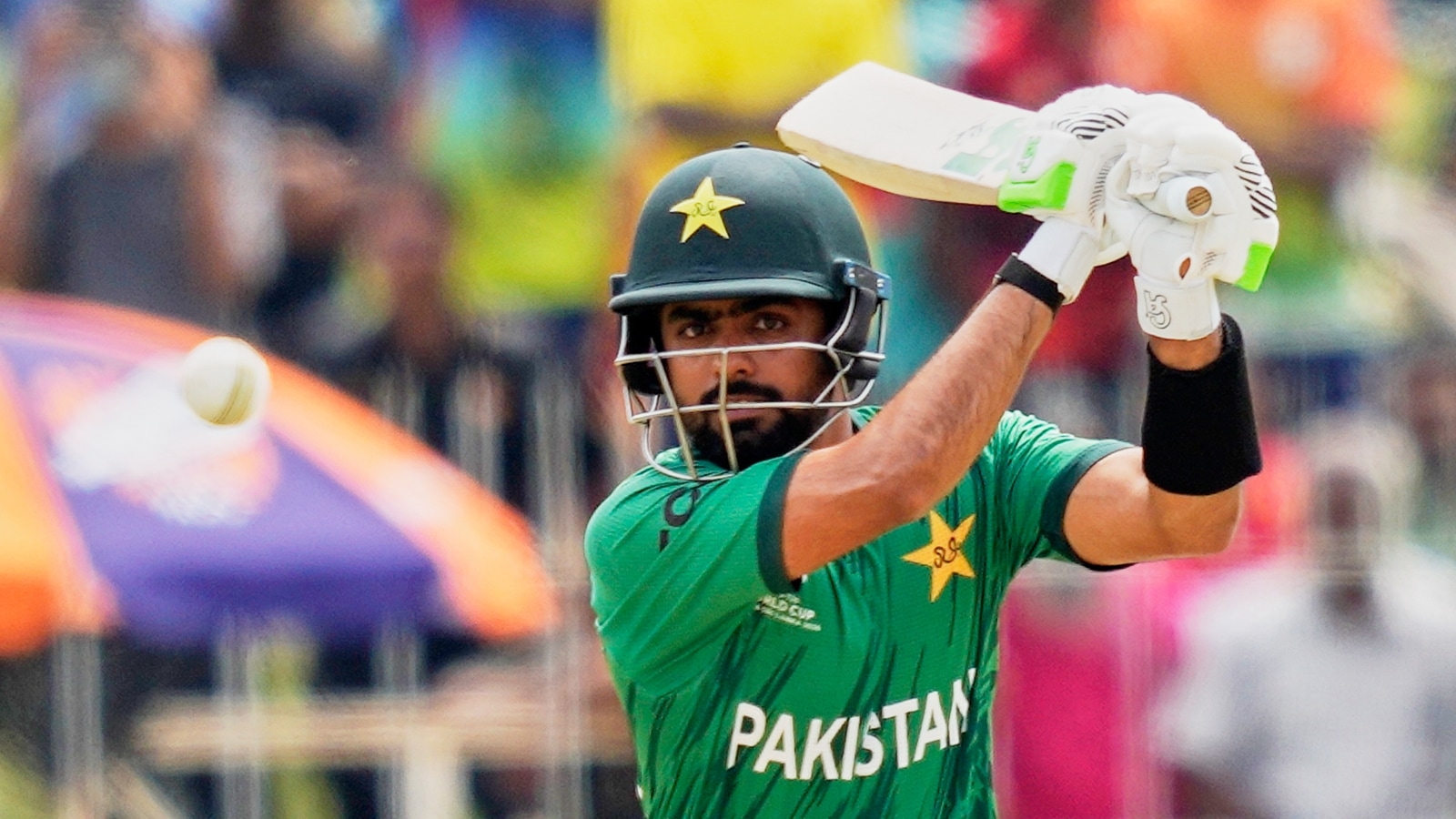
Coach Hesson’s analytical baseline revealed a critical data point: Babar Azam’s strike rate during the powerplay at the recent T20 World Cup was below a run per ball. Consequently, Hesson posited that Babar’s optimal deployment might shift to the middle overs, rather than at the innings’ commencement. Du Plessis reinforced this, acknowledging Babar as a “world-class player” but highlighting that the rapid T20 cricket evolution has rendered his scoring tempo comparatively decelerated. He emphasized that on challenging pitches, a player maintaining a Babar Azam strike rate of 120-130 still provides significant structural value. However, flatter tracks routinely demand substantially higher scoring rates, necessitating a precise adjustment in his Babar Azam batting position and approach.
The Socio-Economic Impact: Inspiring Adaptive Resilience
For every aspiring cricketer, student, and professional across Pakistan, Babar Azam’s journey reflects a crucial national ethos: the necessity of adaptive resilience. His form, intensely scrutinized due to his status as a national icon, mirrors the pressures young Pakistanis face in rapidly evolving sectors. The debate around his Babar Azam T20 Role is not merely about cricket; it is about confronting the uncomfortable truth of required evolution. This situation teaches that even established leaders must engage in introspection and embrace change to maintain relevance. Therefore, this public discourse fosters a culture of continuous improvement, impacting how individuals approach career development and skill enhancement in both urban and rural Pakistan.
The “Forward Path”: A Momentum Shift Through Candid Dialogue
This development signifies a definitive Momentum Shift for Pakistan cricket, predicated on the principle of transparent player-coach communication. Du Plessis rigorously stressed that progress initiates with absolute honesty between the player and coach. He articulated that coaches must present performance metrics unequivocally, outlining team requirements for success. Faced with clear statistical feedback, players must choose: resist or accept and adapt. Babar Azam, at 31, navigates the challenge of evolving after a distinguished career. Du Plessis, drawing from personal experience, validated that change, while uncomfortable, is the catalyst for growth. Sticking to strategic adjustments, even through initial setbacks, ultimately yields sustained success. The tone of these conversations is critical; it must be a collaborative partnership focused on collective team advancement rather than individual critique.
Strategic Imperatives for Player Development
Du Plessis systematically detailed the requirement for players to identify and address weaknesses, even when past methods yielded success. He emphasized a commitment to strategic adjustments, a process he personally underwent to improve his own game against spin. Consequently, this dedication to uncomfortable periods of growth is precisely how players cultivate enhanced capabilities and bring new strengths to international competition. This strategic framework is crucial for all athletes aiming for long-term excellence and sustained national representation. Maintaining a flexible mindset about one’s Babar Azam T20 Role is vital for career longevity.