Calibrated Strategy: Mohammad Amir’s Abhishek Sharma Game Plan for T20 World Cup
In the high-stakes arena of international cricket, strategic foresight is paramount. Ahead of the anticipated ICC Men’s T20 World Cup 2026 clash, former Pakistan fast bowler Mohammad Amir has delivered a meticulous Abhishek Sharma game plan. Amir’s precise analysis highlights Sharma’s high-risk batting approach, deeming him “just a slogger.” This assessment provides a foundational perspective for Pakistan’s tactical preparation, underscoring the critical need for data-driven strategies in elite competition.

The Translation: Deconstructing Batting Mechanics for Strategic Advantage
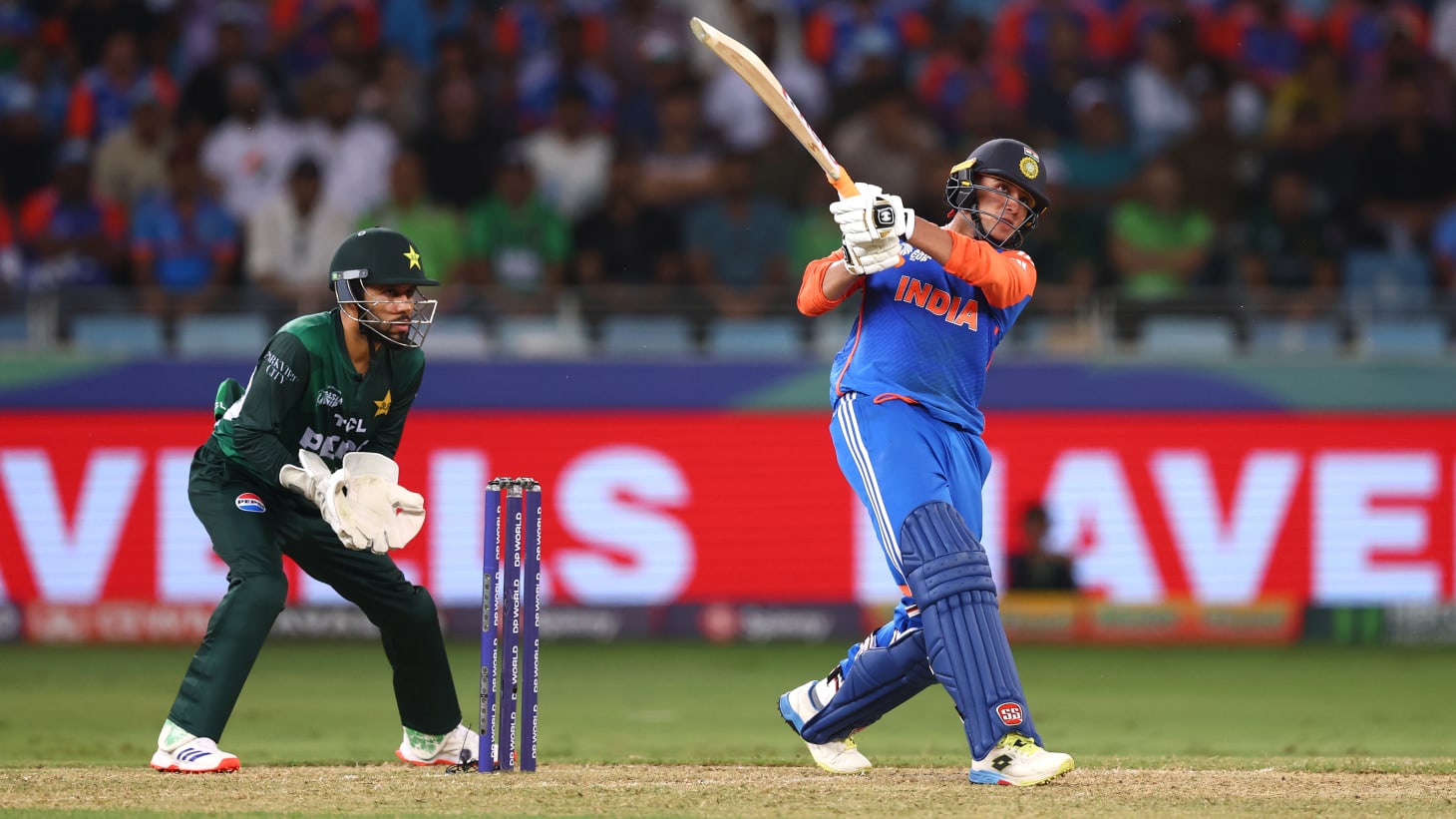
Mohammad Amir, a seasoned veteran of fast bowling, offers a candid assessment of Abhishek Sharma’s batting methodology. Speaking on Geo News’ “Haarna Mana Hai,” Amir characterized Sharma’s style as predominantly aggressive, lacking refined technique. He elaborated that Sharma attempts to strike every delivery, increasing the probability of failure despite occasional high-impact innings.
Amir’s analysis underscores a structural inconsistency in Sharma’s performances. Specifically, he observes that Sharma’s output is often sporadic, with many low scores interspersed among significant ones. This pattern, according to Amir, suggests a reliance on brute force rather than nuanced technical execution. Furthermore, he noted Sharma’s vulnerability to well-executed slower deliveries, a key weakness Pakistan could exploit. Consequently, this strategic assessment outlines crucial elements for a focused approach against him.

Former Pakistan captain Rashid Latif corroborated Amir’s observations, adding that Sharma’s upper body movement is restricted, compelling him to create excessive room. This mechanical tendency contributes to his “slogger” persona, as it positions him primarily for power hitting. Latif further suggested this style poses challenges in longer formats where defensive play and precise shot execution are indispensable.
The Socio-Economic Impact: Elevating National Sporting Discourse
The dissection of an opponent’s strategy, such as this detailed analysis of Sharma’s play, transcends mere sports analysis; it crystallizes national aspirations and fosters a collective sense of purpose. For Pakistani students, professionals, and households, particularly in urban centers, such expert commentary ignites passion and provides intellectual engagement. It transforms casual viewership into a deeper appreciation for strategic thinking and athletic precision.
Moreover, these discussions contribute to Pakistan’s identity on the global stage, showcasing its analytical prowess in a domain as globally revered as cricket. The national team’s performance, heavily influenced by such strategic blueprints, can catalyze national unity and bolster morale. This meticulous approach to preparation reinforces the idea that success is a product of calibrated effort and disciplined execution, principles applicable across all sectors of national development.
The “Forward Path”: A Momentum Shift Towards Data-Driven Cricket
This detailed analytical breakdown by Mohammad Amir represents a Momentum Shift within Pakistan’s cricketing strategy. Historically, instinctive play has often dominated. However, Amir’s public articulation of a precise Abhishek Sharma game plan signals a progressive move towards a more data-driven and technically informed approach to the sport. This disciplined assessment encourages other players and analysts to adopt a similar rigorous methodology.
While Sharma’s statistics in T20 cricket are robust—1,297 runs at a strike rate of 194.95, including multiple centuries and half-centuries—Amir’s critique focuses on the underlying technique rather than raw output. Sharma’s recent T20 World Cup performances, including a first-ball duck and uncertain availability due to illness, underscore the very inconsistencies Amir highlighted. Pakistan’s strategic focus on exploiting technical vulnerabilities, rather than being intimidated by statistical aggregates, marks a crucial evolution in its competitive framework.