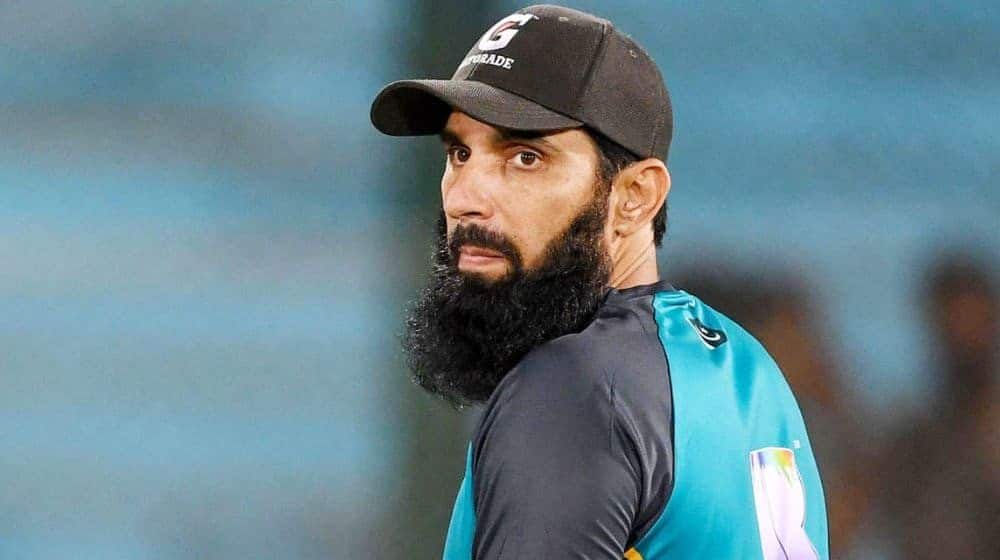
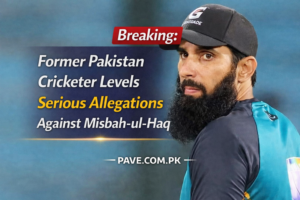
A significant structural audit is underway within Pakistan’s cricket ecosystem as Misbah Ul Haq allegations emerge concerning player management and squad selection. Former Pakistani cricketer Ahmed Shehzad has presented critical claims regarding the alleged sidelining and financial penalties faced by young wicketkeeper-batsman Haseebullah Khan. This revelation prompts a deeper examination into the calibrated processes governing domestic talent progression and national team integration, demanding transparency in the system’s operational efficiency.
The Translation: Deconstructing Domestic Cricket Claims
Ahmed Shehzad’s statements, made on a local media platform, directly challenge the conventional narrative surrounding Pakistan’s recently announced ODI squad for the Bangladesh series. Shehzad specifically questioned the omission of emerging talents and the rationale behind certain selections, asserting that internal management protocols require immediate scrutiny. Consequently, the focus shifts to foundational principles governing player development pathways, particularly in the domestic circuit. The core of the Misbah Ul Haq allegations centers on a specific instance: Haseebullah Khan’s alleged mistreatment.
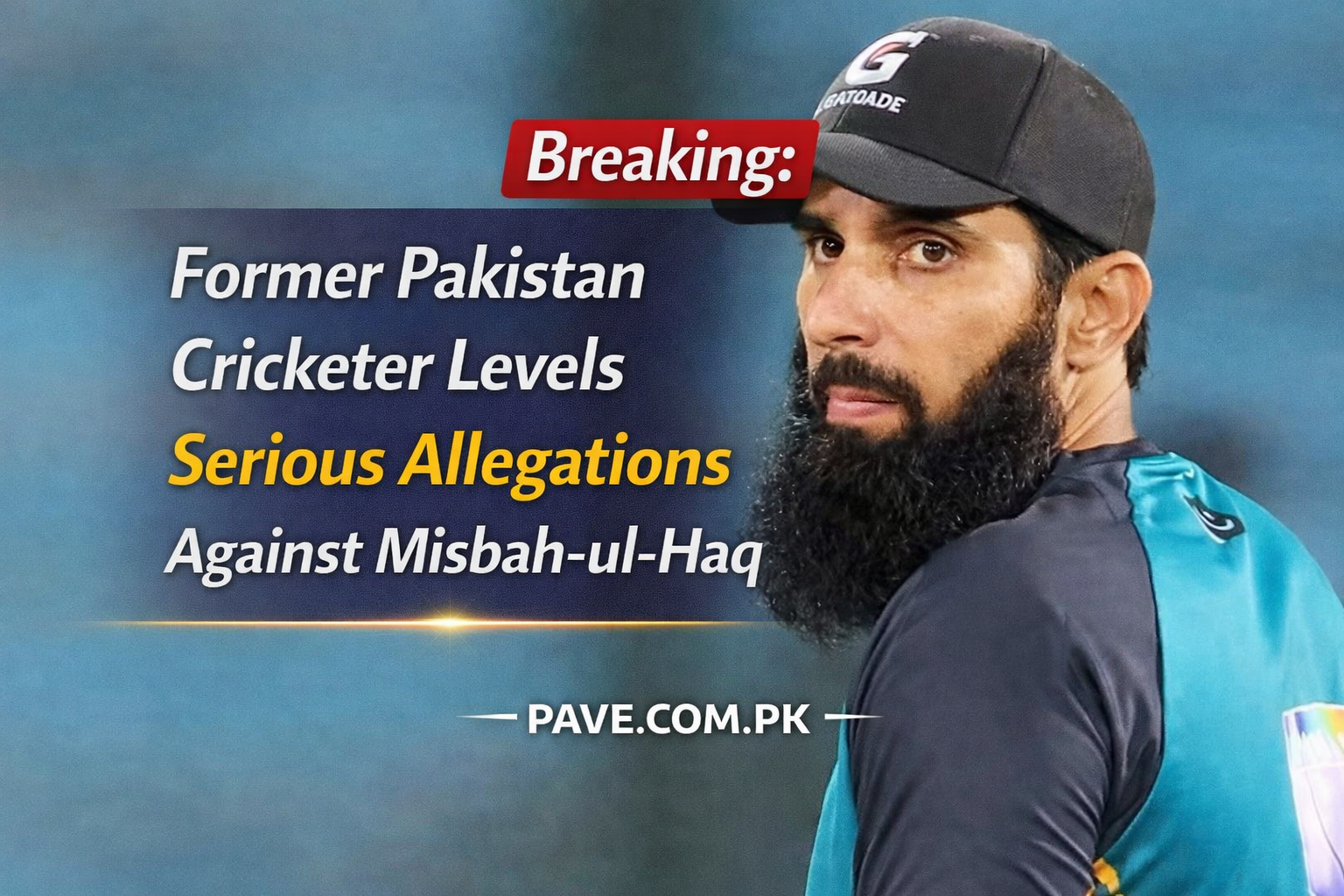
According to Shehzad, Khan demonstrated strong performances for Pakistan Shaheens, a critical proving ground for future national players. However, upon returning to domestic cricket, he was unexpectedly benched. Furthermore, Shehzad claimed that when Khan sought clarification from former Pakistan captain Misbah-ul-Haq regarding this decision, the inquiry was met with disapproval. The alleged fallout included Khan’s complete exclusion from the playing XI for the entire season and, critically, the cessation of his salary. This sequence of events, if validated, indicates a severe systemic malfunction.
The Socio-Economic Impact: Repercussions for Aspiring Athletes
These serious allegations carry substantial socio-economic implications for aspiring cricketers across Pakistan, from urban centers to rural academies. For a young athlete like Haseebullah Khan, who relies on domestic cricket for professional development and financial stability, such alleged actions represent a catastrophic blow. The suspension of salary directly impacts a player’s livelihood, potentially affecting families and discouraging future participation. Conversely, the perceived injustice can erode trust in the meritocratic system, deterring new talent from pursuing cricket as a viable career path.
Consider the broader context: domestic matches are the strategic baseline for players aiming for the national team. When a player performing well is sidelined without transparent cause, it introduces profound uncertainty. This structural ambiguity can lead to frustration among young cricketers, impeding their ability to establish themselves and contribute to Pakistan’s sporting future. Therefore, the implications extend beyond individual careers, potentially impacting the entire talent pipeline and the nation’s sporting prestige.
The Forward Path: Momentum Shift or Stabilization Move?
These Misbah Ul Haq allegations necessitate a critical assessment of the governance structures within Pakistan cricket. If true, the claims of player mistreatment and arbitrary sidelining represent a ‘Stabilization Move,’ attempting to maintain an existing, potentially flawed, internal power dynamic rather individual development. The integrity of player pathways is paramount for national advancement in sports.
The reported involvement of key figures, including Director of Domestic Cricket Khurram Niazi, Chief Selector Aqib Javed, head coach Mike Hesson, and advisor Misbah-ul-Haq in squad finalization, underscores the gravity of these claims. Consequently, a calibrated response involving an independent inquiry is essential to re-establish confidence. This incident could serve as a catalyst for implementing more robust, transparent policies that safeguard player welfare and ensure equitable opportunities for all aspiring Pakistani cricketers, thereby driving a crucial ‘Momentum Shift’ for systemic efficiency.