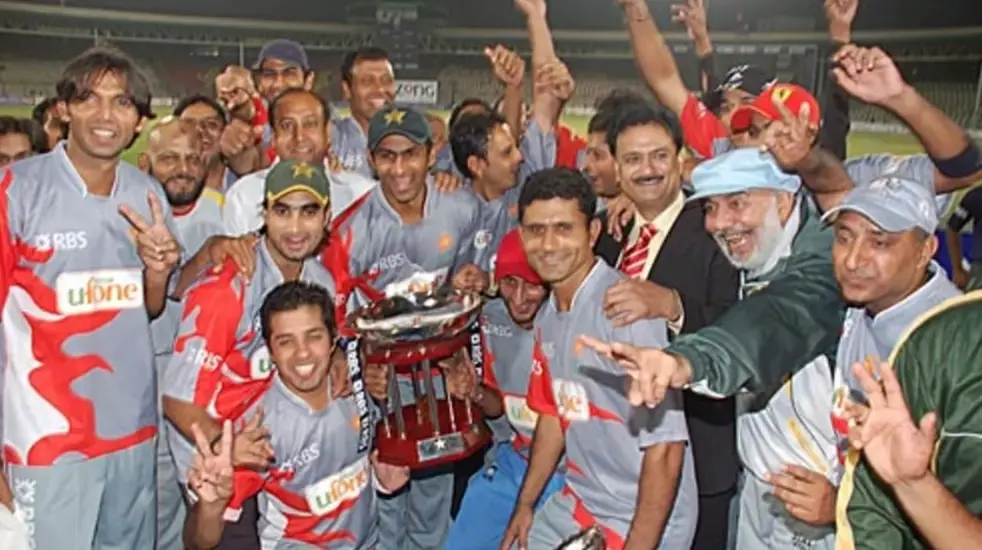
In a calibrated move impacting the global cricket framework, Pakistan has enacted a strategic boycott of its T20 World Cup group match against India. This decision, backed by former England cricketer Mark Butcher, represents a precise leverage against perceived systemic imbalances within the International Cricket Council (ICC). Butcher characterized the Pakistan cricket boycott as a ‘blinder,’ asserting it effectively pressures both India and the governing body to address preferential arrangements that have historically benefited certain nations over others, specifically citing the financial magnitude of India-Pakistan fixtures.
Deconstructing the ICC Dynamics: A Baseline for Fair Play
Unpacking the Financial Leverage in Cricket Diplomacy
Mark Butcher’s analysis illuminates the structural anomalies within international cricket. He highlights that India versus Pakistan matches are the most financially lucrative in global cricket. Consequently, the ICC consistently positions these two teams in the same group. This arrangement, according to Butcher, functions as a fixed formula driven by revenue, contrasting sharply with the standard rules applied to all other competing teams. Furthermore, he observed a pattern where special accommodations are frequently extended to India, citing the Champions Trophy incident where India declined to travel to Pakistan, opting instead to play their matches in Dubai. This precedent established India’s ability to dictate playing venues, while other teams are consistently expected to adapt.
Socio-Economic Resonance: Calibrating Impact on Pakistani Households
Direct Implications for National Pride and Sporting Equity
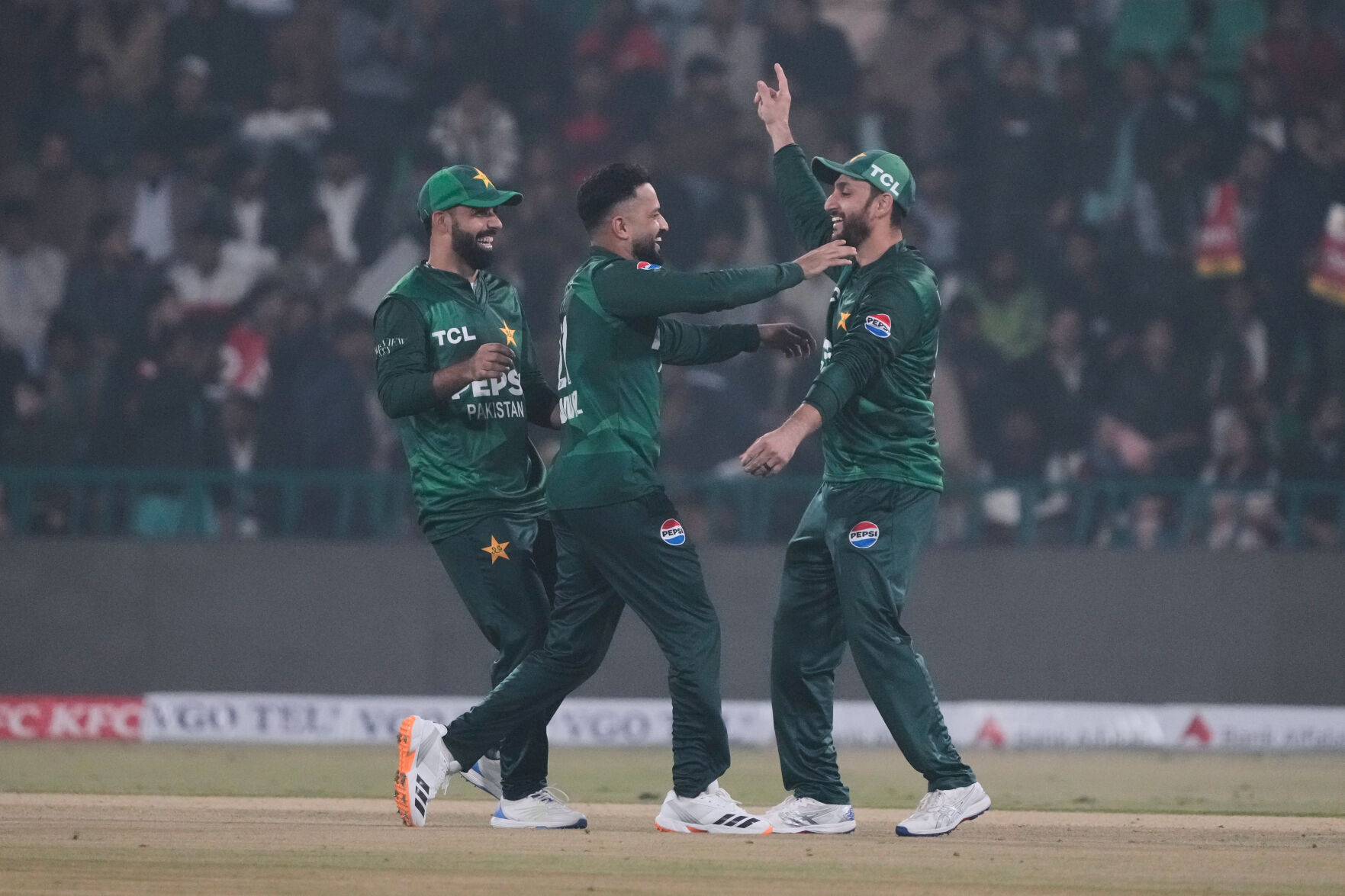
The Pakistan cricket boycott directly impacts the national psyche and the daily lives of Pakistani citizens, particularly fervent cricket enthusiasts. Historically, India-Pakistan matches are not merely sporting events; they are cultural touchstones, drawing immense viewership and generating national dialogue. The decision to boycott, therefore, resonates as a robust assertion of national pride and a demand for equitable treatment in global sports governance. For students and professionals, this stance symbolizes a refusal to accept imbalanced systemic structures, fostering a sense of collective empowerment. In rural and urban households alike, the debate over this boycott becomes a focal point for discussions on fairness, international relations, and Pakistan’s standing on the global stage, reinforcing a unified desire for integrity in competition.
The Forward Path: A Catalyst for Systemic Refinement
Analyzing the Boycott as a Momentum Shift or Stabilization Move
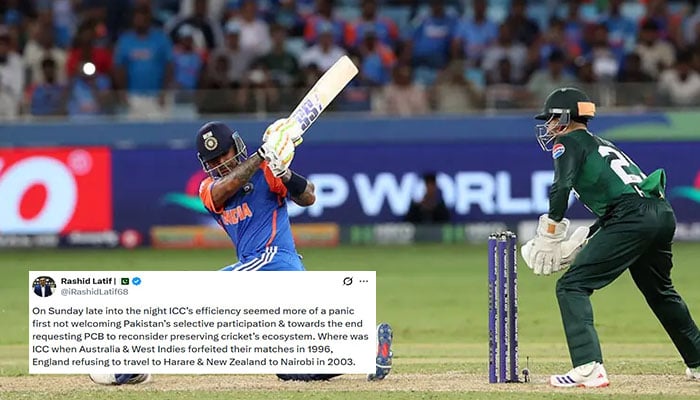
This Pakistan cricket boycott represents a definitive ‘Momentum Shift’ rather than merely a ‘Stabilization Move.’ Pakistan’s refusal to participate directly challenges the established preferential mechanisms that have long favored India. By asserting a ‘If you won’t come to us, we won’t play against you’ stance, Pakistan has initiated a crucial re-calibration of power dynamics within the ICC. This bold action forces the ICC to confront the significant financial and logistical fallout stemming from the absence of the most lucrative fixture. Consequently, this precise maneuver could serve as a catalyst for future, more equitable policy formulations, compelling the international cricketing body to uphold consistent rules for all member nations, rather than perpetuating revenue-driven exceptions.