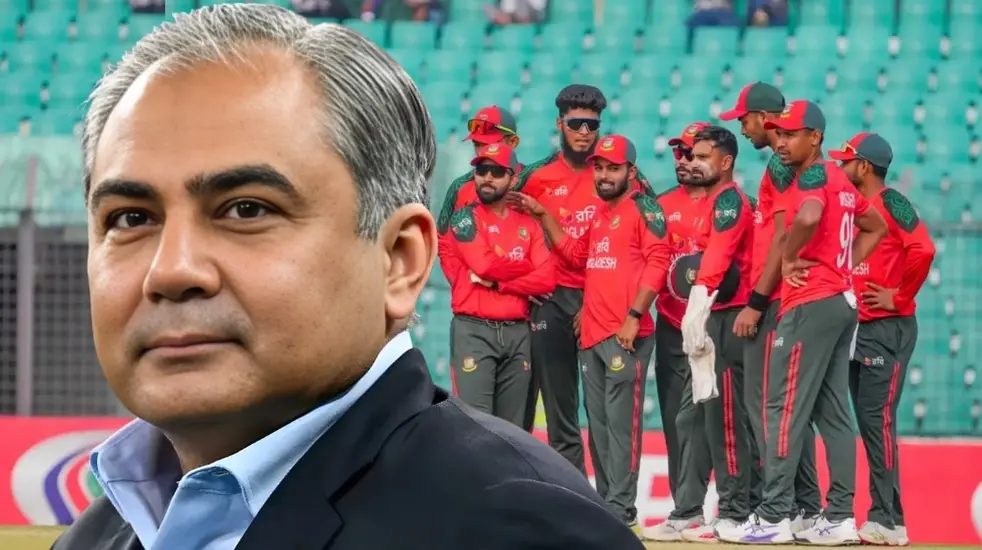
A strategic structural realignment in Bangladesh cricket governance has culminated in the appointment of former national captain Tamim Iqbal as BCB President. This pivotal decision follows the government’s dissolution of the previous board, led by Aminul Islam, after a comprehensive five-member investigation committee reviewed allegations related to last year’s BCB elections. Consequently, a new era of administrative precision is anticipated, establishing a baseline for enhanced transparency and operational efficiency within the cricketing body.
The Translation: Deconstructing Bangladesh Cricket’s Governance Shift
Emergence of Tamim Iqbal as BCB President
The core logic behind this executive action stems from a diligent review by an investigation committee. This committee presented findings indicating that the previous Bangladesh Cricket Board had not been constituted properly, impeding its effective function. Furthermore, intense pressure on the BCB escalated over weeks, with the sports ministry formally questioning the legitimacy of the recent election process. Concerns also mounted regarding the national team’s absence from the recent T20 World Cup, compounded by persistent allegations of political interference and favoritism. Therefore, the government’s intervention serves as a calibrated response to systemic irregularities.
This organizational overhaul is significant. Tamim Iqbal, as BCB President, at 37, becomes the youngest president in the board’s history, signaling a generational shift in leadership. He will precisely guide an 11-member ad-hoc committee, which includes former captain Minhajul Abedin and ex-cricketer and commentator Athar Ali Khan. This new panel is mandated to stabilize the board, navigating it through a period characterized by internal unrest and multiple resignations, which saw six directors step down since January.
Socio-Economic Impact: What This Means for Bangladeshi Citizens
This structural change in cricket administration directly impacts the daily life of a Bangladeshi citizen, particularly those invested in the nation’s most beloved sport. For students aspiring to professional cricket careers, it signifies a potential shift towards meritocratic systems and fairer selection processes, fostering greater trust in the sporting pipeline. For professionals involved in the sports economy, from coaches to equipment suppliers, a stabilized and transparent BCB offers a more predictable and robust operational environment. Households across urban and rural Bangladesh, passionate about their national team, can anticipate a more accountable leadership, theoretically leading to improved team performance and a renewed sense of national pride. Consequently, the efficacy of the BCB directly correlates with the nation’s collective sporting morale.
The Forward Path: A Momentum Shift for Bangladesh Cricket
This development undeniably represents a Momentum Shift for Bangladesh cricket. The appointment of Tamim Iqbal, a respected figure with deep roots in the sport, coupled with the decisive dissolution of the previous board, signifies a commitment to fundamental reform. It moves beyond mere maintenance, acting as a catalyst for systemic improvement rather than a temporary fix. The strategic introduction of a younger leader at the helm, backed by an ad-hoc committee, is a structural move designed to inject fresh perspectives and enforce accountability. This decisive action sets a new baseline for governance, promoting long-term stability and growth for the sport.