
Strategic Containment: Pakistan’s Environmental Resilience
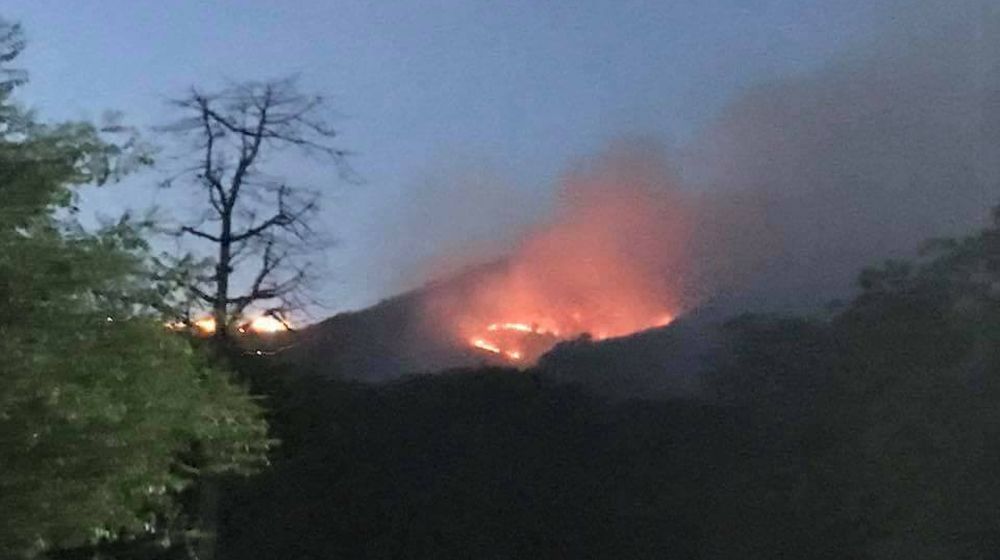
The swift and strategic intervention to achieve Margalla Hills fire control represents a critical baseline for Pakistan’s environmental resilience. An intense blaze, which erupted in the vital forested regions, was definitively brought under control following an extensive overnight operation by dedicated rescue teams. This coordinated effort not only safeguarded a precious natural asset but also demonstrated the calibrated response capacity of our emergency services. Consequently, the successful containment ensures the ecological stability of this crucial national park.
The Translation: Precision in Emergency Response Operations
Understanding the operational mechanics behind this critical incident reveals a structured emergency response. The district administration spokesperson confirmed the blaze initiated within the jurisdictional overlap of Islamabad and Punjab, necessitating multi-agency coordination. Relevant emergency entities swiftly deployed, managing to contain the fire through several hours of concentrated effort. Furthermore, a specialized contingent of approximately 34 firefighters from the Environment Directorate worked systematically throughout the night, employing precise tactics to extinguish the flames completely. This operational clarity underlines a commitment to efficient resource deployment and inter-agency synergy, ensuring maximum impact in critical situations.
Socio-Economic Impact of Margalla Hills Fire Control
The successful Margalla Hills fire control directly impacts the daily lives of Pakistani citizens, particularly those residing in Islamabad and its surrounding areas. For urban households, the containment prevents deterioration of air quality, safeguarding public health and well-being. Students and professionals can continue their routines without the disruptive effects of smoke pollution or ecological threat. Moreover, the preservation of the Margalla Hills’ unique biodiversity maintains a vital ecological lung for the capital, supporting local tourism and recreational activities. In rural contexts, effective fire management prevents wider environmental degradation that could threaten agricultural lands and local livelihoods. This structural protection of natural capital is indispensable for long-term socio-economic stability.
The Forward Path: A Stabilization Move for Environmental Integrity
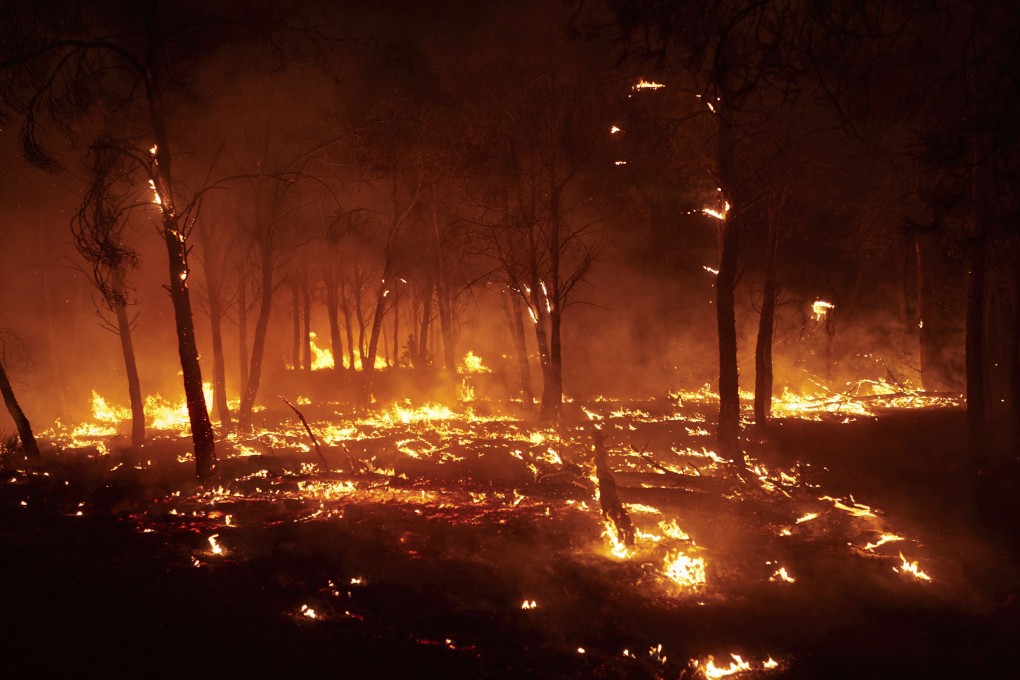
This incident represents a Stabilization Move for Pakistan’s environmental integrity rather than a transformative “Momentum Shift.” While the rapid and effective containment effort is commendable, it highlights the persistent vulnerability of our natural landscapes to such events. The precise execution of the overnight operation averted a larger catastrophe, yet it underscores the ongoing necessity for robust preventative measures, advanced early detection systems, and continuous investment in firefighting capabilities. Therefore, while the immediate crisis was expertly managed, the long-term structural challenge of protecting these vital ecosystems remains a strategic priority requiring sustained national focus and calibrated resource allocation.








