Addressing Pakistan’s Energy Crisis: A Strategic Dialogue
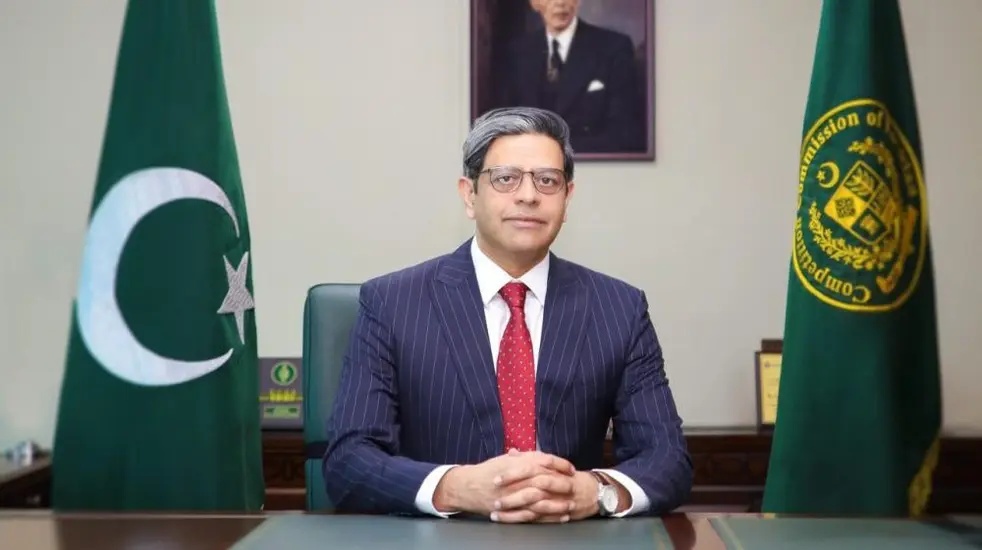
Pakistan’s Finance Minister, Muhammad Aurangzeb, recently convened with leading representatives from the Federation of Pakistan Chambers of Commerce and Industry (FPCCI) and the Pakistan Electric Fan Manufacturers Association (PEFMA). This crucial engagement aimed to strategically address Pakistan’s energy crisis through indigenous solutions, concurrently boosting the nation’s export capabilities. The discussions focused on overcoming sectoral challenges, leveraging export potential, and establishing robust policy support for the fan manufacturing industry, a vital component of Pakistan’s industrial base.
The Translation: Deconstructing Industrial Policy
This high-level meeting moved beyond mere discussion. It represented a structural pivot towards actionable policy formulation. Minister Aurangzeb’s commitment to sector-specific consultations is not just rhetoric; it signifies a calibrated approach to understand the intricate operational landscapes of key industries. Furthermore, the emphasis on direct engagement ensures that government policies are meticulously tailored to meet the actual needs and challenges faced by manufacturers on the ground.

Indigenous Strength: The Fan Sector’s Economic Blueprint
The Pakistani fan sector stands as a testament to indigenous manufacturing prowess. Comprising approximately 300 manufacturers primarily located in Gujrat and Gujranwala, this industry is entirely self-reliant. Consequently, it generates around 40,000 direct and over 150,000 indirect employment opportunities, demonstrating a significant value-addition profile within the national economy. Its established export footprint, particularly across the Middle East and Africa, positions it as a critical contributor to Pakistan’s trade balance.
Calibrating Energy Efficiency: The DC Fan Imperative
A pivotal discussion point centered on accelerating the transition to energy-efficient DC fan technology. The industry has expressed its readiness for large-scale conventional fan replacement, a move designed to substantially reduce national electricity consumption. Minister Aurangzeb affirmed the existence of pertinent policy frameworks. However, he stressed that achieving greater traction demands enhanced public awareness and improved coordination among financial institutions. Closing these implementation gaps is crucial for rapid adoption and significant energy savings.

Structural Hurdles and Financial Catalysts
Access to finance for capacity expansion emerged as another vital discussion area. This is especially relevant for meeting the anticipated demand driven by energy efficiency initiatives. The Finance Minister underscored the necessity of facilitating productive investment. He also indicated that financing frameworks would undergo review to better align with the sector’s unique requirements. Furthermore, structural challenges, specifically concerning raw materials like copper and aluminum, were highlighted. Industry members cautioned that increasing raw input exports negatively impact domestic value-added manufacturing, necessitating a balanced policy approach to promote local industrial growth.
Socio-Economic Impact: Daily Life and National Resilience
This initiative directly impacts the daily lives of Pakistani citizens across urban and rural landscapes. Firstly, the widespread adoption of energy-efficient DC fans will lead to tangible reductions in household electricity bills, thereby providing financial relief to families. Secondly, the robust growth and export orientation of the fan industry translate into stable and increased employment opportunities for professionals and skilled labor. Moreover, by addressing the energy crisis, Pakistan enhances its national resilience, providing a more stable environment for students and businesses alike. This strategic focus ensures that economic advancements directly benefit individuals, fostering both stability and progress.

The Forward Path: Momentum Shift or Stabilization Move?
This development represents a clear Momentum Shift for Pakistan’s industrial strategy. The government is not merely maintaining the status quo; it is actively recalibrating national infrastructure to harness indigenous capabilities for critical challenges like the energy crisis. By prioritizing energy efficiency, facilitating industrial growth, and refining policy frameworks, Pakistan is setting a new baseline for sustainable economic progress. This strategic engagement fosters a proactive environment, positioning the nation for significant advancements rather than just incremental maintenance.
Refining Policy for Competitive Export Growth
Minister Aurangzeb emphasized that sustainable export growth is intrinsically linked to competitiveness, scale, and policy consistency. While taxation remains a crucial aspect, equally critical are access to finance, energy efficiency, and market development strategies. He actively encouraged ongoing, constructive dialogue between industry and government stakeholders. This collaborative approach is designed to refine practical, forward-looking proposals that will ultimately bolster Pakistan’s economic standing.
Sustained Dialogue: The Foundation of Economic Planning
In concluding remarks, the Finance Minister reaffirmed the government’s unwavering commitment to supporting value-added manufacturing and export-oriented sectors. He stressed that sustained dialogue with stakeholders remains central to effective policy formulation and robust economic planning. This systematic engagement process, involving key officials from the Finance Division and the Federal Board of Revenue, coupled with prominent industry leaders from PEFMA and major fan manufacturers, ensures a comprehensive and integrated approach to national development.