Strategic Energy Posture: Government Rejects Immediate Petrol Price Subsidy
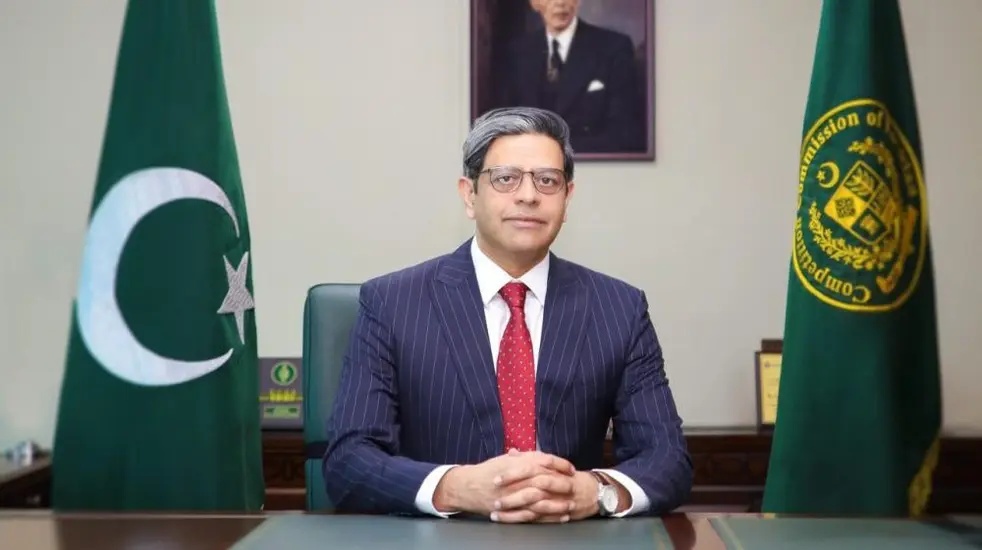
Pakistan’s Federal Minister for Finance and Revenue, Muhammad Aurangzeb, has confirmed the government’s calibrated decision against an immediate Petrol Price Subsidy, despite escalating fuel costs. This structural posture indicates a prioritization of fiscal discipline amidst a volatile global energy landscape. Consequently, the government maintains a vigilant stance, with a high-level committee convening daily to assess global oil markets and domestic supply dynamics, ensuring systemic stability without immediate consumer price interventions.
The Translation (Clear Context)
The Finance Minister’s declaration, made outside Parliament in Islamabad, clarifies that no immediate legislative action for a Petrol Price Subsidy is underway. However, this does not preclude future considerations. The government is actively monitoring international and regional energy market fluctuations. Furthermore, a specialized, high-level committee conducts daily reviews at 2:00 PM. This committee includes critical stakeholders such as ministers for petroleum and power, the central bank governor, and the state minister for finance, collectively strategizing Pakistan’s energy future.

The imperative for these daily assessments stems from rapidly evolving global conditions. Aurangzeb highlighted the necessity for continuous governmental review of energy supply and pricing developments. He underscored Pakistan’s current adequate reserves of gas and diesel, alongside ongoing efforts to pinpoint available LNG and LPG supplies in international markets. Therefore, while a direct subsidy is off the table for now, strategic procurement and supply chain management remain paramount.
The Socio-Economic Impact
For the average Pakistani citizen, the absence of an immediate Petrol Price Subsidy translates directly into higher operational costs. Households will experience elevated transportation expenses, impacting daily commutes for professionals and students, and increasing the cost of goods due to higher logistics fees. Consequently, this policy may exert pressure on household budgets, requiring calibrated financial adjustments across urban and rural demographics. This decision underscores the government’s commitment to broader economic stabilization over short-term consumer relief, prioritizing long-term fiscal health.

Students and daily wage earners, in particular, will face intensified budgetary constraints. The ripple effect extends to small and medium enterprises (SMEs) struggling with increased input costs, potentially affecting local market prices. In contrast, this approach aims to prevent the inflationary pressures associated with subsidies, which often distort market mechanisms and contribute to a fiscal deficit. The government emphasizes transparency, promising to keep the public informed as new developments and policy decisions materialize regarding the nation’s energy future.
The “Forward Path” (Opinion)
This development represents a Stabilization Move rather than an immediate “Momentum Shift.” The government’s structural approach, rejecting a Petrol Price Subsidy, signals a clear intent to fortify fiscal responsibility and prevent a recurrence of past economic vulnerabilities. This strategic decision, while potentially unpopular in the short term, is a calculated effort to build a more resilient economic framework for Pakistan. The focus on monitoring global markets and ensuring energy reserves indicates a long-term vision for self-sufficiency and reduced dependency on volatile external factors.

The daily high-level committee meetings underscore a disciplined, precision-focused approach to energy policy. While consumer impact is undeniable, the government’s strategy appears to be an architectural decision to strengthen the national economic baseline. A proactive stance on international LNG/LPG procurement further highlights a commitment to securing future energy stability. Therefore, this move, though challenging for consumers, is a foundational step towards long-term fiscal health and energy independence for Pakistan.