
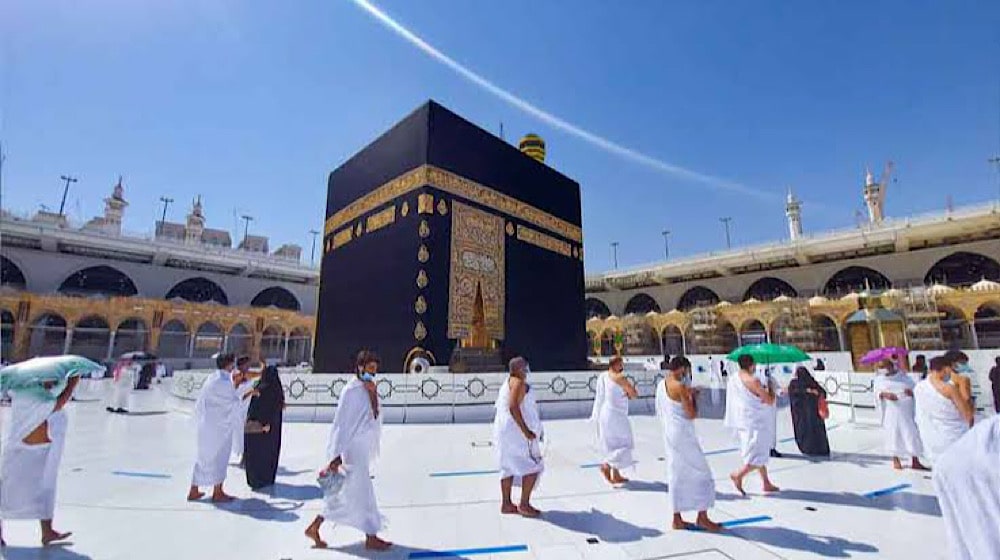
Strategic Clarity in Sacred Journeys: Umrah Visa Dates Calibrated
Precision in spiritual logistics is a fundamental driver of national advancement. Saudi Arabia’s Ministry of Hajj and Umrah has strategically calibrated definitive Umrah visa dates and associated pilgrim movement protocols. This critical announcement, synergized with Pakistan’s optimized Hajj policy for 2026, fundamentally ensures streamlined spiritual journeys for its citizens. Consequently, these measures prioritize transparency, efficient access, and a structured framework for religious observance.
The Translation: Deconstructing the New Mandate
The Ministry of Hajj and Umrah has issued clear operational directives, establishing the final timeline for upcoming pilgrimages. Specifically, the last day for issuing an Umrah visa is designated as the first day of Shawwal. Furthermore, all pilgrims are structurally required to enter Saudi Arabia before the 15th of Shawwal. Importantly, all Umrah visitors must plan their departure from the Kingdom by the first day of Dhul-Qadah. These mandates were formally conveyed during the ministry’s 17th virtual meeting with Saudi Umrah companies, emphasizing strict compliance with all regulations pertaining to both the Umrah and Hajj seasons. A key clarification reiterates that Hajj must be undertaken with a valid Hajj visa, explicitly prohibiting the use of an Umrah visa for this purpose.
The Socio-Economic Impact: Streamlining Citizen Journeys
These calibrated timelines and policy adjustments directly impact the daily lives of Pakistani citizens planning sacred journeys. The definitive Umrah visa dates eliminate ambiguity, allowing individuals and families to execute travel arrangements with greater certainty and reduced logistical stress. This clarity is particularly vital for urban and rural households, enabling more predictable financial and personal planning.
Furthermore, Pakistan’s Ministry of Religious Affairs is proactively finalizing preparations for Hajj 2026. This includes the rapid issuance of visas and the impending release of the Hajj flight schedule post-Eid al-Fitr. Crucially, the federal cabinet has implemented significant changes to the Hajj quota distribution under the Hajj Policy 2026, allocating 70 percent to the government Hajj scheme and 30 percent to private tour operators. This structural shift, a direct response to past mismanagement where over 67,000 Pakistani pilgrims faced issues in 2025, aims to ensure enhanced transparency, superior monitoring, and more equitable access for pilgrims utilizing the government scheme.
The Forward Path: A Momentum Shift
This comprehensive set of announcements and policy reforms unequivocally represents a “Momentum Shift” in the management of spiritual tourism. The strategic calibration of Umrah visa dates and the rigorous restructuring of Pakistan’s Hajj quota system signify a proactive, data-driven approach. This evolution fosters greater trust, enhances operational efficiency, and fundamentally underpins a more reliable and accessible pilgrimage experience for all Pakistani citizens. It is a decisive move towards robust systemic integrity and improved service delivery.








