The projected cost for attending the World Cup 2026 final tickets has reached an unprecedented peak, with FIFA setting the most premium general admission prices at an alarming $10,990 (£8,333). This structural adjustment significantly deviates from the initial bid proposal, which pledged a maximum final ticket price of $1,550. Consequently, this escalation directly impacts accessibility for global fans, compelling a re-evaluation of event participation and financial planning for many.
The Translation: Calibrating Economic Realities of FIFA Ticketing
Understanding the current ticketing landscape requires a precise analysis of FIFA’s pricing mechanisms. Initially, the joint United States, Canada, and Mexico bid strategically proposed a cap of $1,550 for final match access. However, the operational reality has introduced a dynamic pricing model. For instance, prices for official supporters’ clubs climbed to $8,680 during early sales. Furthermore, the first open sale witnessed Category Two tickets surge by 32.78%, from $5,575 to $7,380, and Category Three tickets escalated by 38.23%, from $4,185 to $5,785.
This dynamic pricing, coupled with constrained advance transparency regarding availability, establishes a difficult planning environment for supporters. The official resale platform exemplifies this trend, with some single seats listed at an extraordinary $82,780, substantially exceeding their face value. This market behavior underscores a critical imbalance between supply, demand, and managed access.
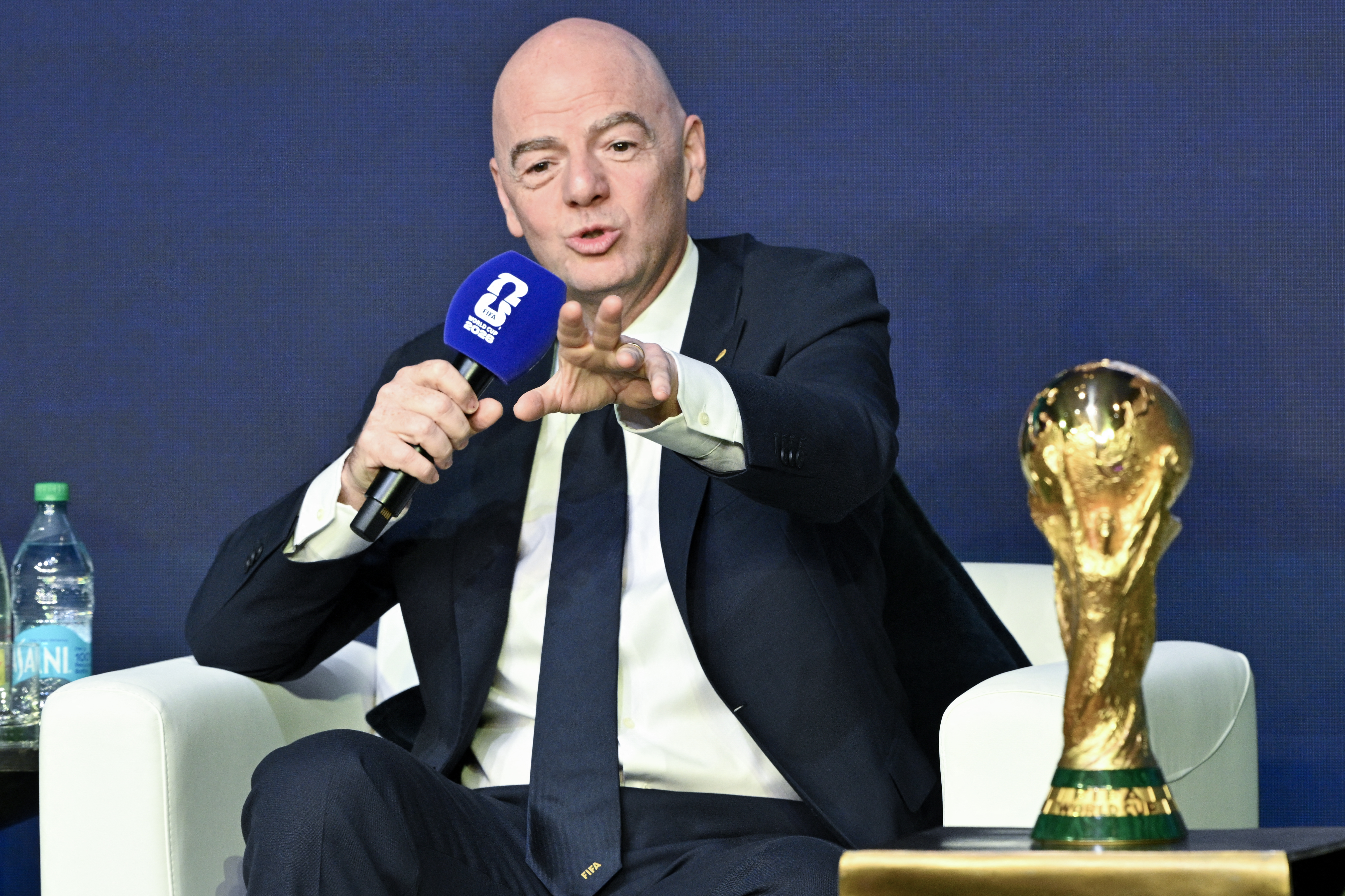
The Socio-Economic Impact: Accessibility and the Pakistani Fan
For a Pakistani citizen, the escalating cost of World Cup 2026 Tickets directly translates into significantly diminished access to a globally unifying event. Students and young professionals, often navigating challenging economic conditions, find their aspirations of attending a FIFA World Cup severely constrained by these financial barriers. The dream of witnessing international football firsthand, a powerful motivator for cultural engagement, becomes increasingly exclusive.
In rural Pakistan, where disposable income is often limited, such prices render attendance virtually impossible, creating a widening chasm between global sporting spectacle and local fan engagement. Urban households, even with greater financial capacity, must now consider whether allocating thousands of dollars for a single match ticket is a viable economic decision, especially when factoring in international travel and accommodation. Consequently, many fans are recalibrating their travel plans, opting for a holiday experience rather than the stress of securing exorbitantly priced tickets.
The "Forward Path": A Stabilization Move in Global Sporting Access
This development represents a Stabilization Move rather than a Momentum Shift for global sports accessibility. While FIFA’s dynamic pricing strategy aims to maximize revenue, its current execution appears to prioritize immediate financial gain over broad fan inclusion. The criticism from supporter groups, like the Football Supporters’ Association, highlights a systemic issue where the aspirational element of major sporting events is eroding under commercial pressures.
For future tournaments, a more calibrated approach is imperative. This involves transparent pricing models, equitable ticket distribution, and perhaps tiered pricing structures that genuinely accommodate diverse economic segments. Sustained engagement requires a baseline of affordability, ensuring that the spectacle remains accessible to the global community it purports to unite, rather than becoming an exclusive commodity.