

Strategic Fiscal Discipline: Pakistan’s Cabinet Initiates Austerity
In a decisive move for national advancement, Pakistan’s federal cabinet has collectively relinquished two months of salaries. This structural decision marks a calibrated effort to conserve national resources and bolster economic stability amidst evolving global dynamics. This implementation of cabinet austerity measures underscores a proactive governmental approach towards fiscal responsibility and systemic efficiency, ensuring a resilient economic framework for all citizens and setting a new precedent for public service commitment.
The Translation: Unpacking the Cabinet’s Fiscal Strategy
The federal cabinet, under Prime Minister Shehbaz Sharif’s leadership, convened on Monday to formalize stringent austerity protocols. This strategic session focused on critical resource preservation, particularly petroleum products, alongside comprehensive cost-cutting directives for all government departments. Consequently, this initiative aims to create substantial fiscal headroom, redirecting saved resources towards national priorities and fostering a culture of judicious spending across the public sector.
Optimizing Government Expenditure for National Resilience
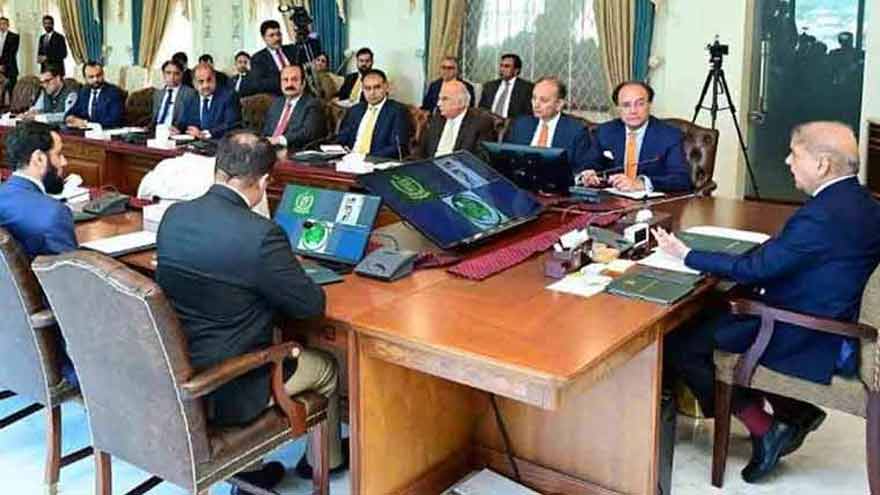
Finance Minister Muhammad Aurangzeb provided a precise briefing on the imperative need for resource conservation. He articulated a clear pathway for reducing government expenditures and fostering simplicity in official spending. Furthermore, discussions extended to critical proposals designed to deliver tangible relief to Pakistan’s low-income and vulnerable segments, ensuring equitable economic protection across the nation. This comprehensive approach is designed to mitigate the burden on ordinary citizens while stabilizing national finances.
The Socio-Economic Impact: Cabinet Austerity Measures and Citizen Benefits
These cabinet austerity measures directly influence the daily life of a Pakistani citizen by enhancing governmental efficiency and resource allocation. For instance, students could benefit from potential reallocations towards educational infrastructure or scholarships. Professionals might experience a more stable economic climate, fostering greater job security and investment confidence. Moreover, households across urban and rural Pakistan can anticipate the positive ripple effects of reduced national debt and targeted relief programs, strengthening overall economic resilience and social welfare frameworks.
Navigating Regional Dynamics and Global Economic Volatility
The cabinet critically assessed the evolving regional geopolitical landscape. They explicitly acknowledged its potential to impact Pakistan’s economy, specifically through disruptions in energy supply chains and heightened volatility in global commodity prices. Therefore, the implementation of timely, calibrated policy measures becomes fundamentally necessary to safeguard economic stability against potential deterioration, providing a robust baseline for future growth and ensuring national preparedness against external shocks. This foresight is crucial for sustained progress.
The “Forward Path”: A Momentum Shift for Fiscal Accountability

Prime Minister Sharif explicitly directed cabinet members, elected representatives, and senior officials to adopt austerity as a core principle. This mandate underscores a commitment to efficient resource utilization across all governmental operations. Notably, the cabinet prudently decided that these stringent austerity and energy-saving measures would not apply to the vital industrial and agricultural sectors. This strategic exemption is meticulously designed to avoid disrupting essential economic activity and productivity, preserving the nation’s critical growth engines and safeguarding employment.
This development represents a significant Momentum Shift. The federal cabinet’s voluntary salary waiver, coupled with targeted cost-cutting and strategic sectoral exemptions, signals a robust commitment to fiscal accountability and long-term economic health. It establishes a powerful precedent for leadership-driven sacrifice and calculated resource management, fostering renewed trust in governance.
Cultivating Systemic Efficiency: A Baseline for Future Prosperity

In essence, these proactive measures are more than just a fiscal adjustment; they are a structural redesign for enhanced governmental efficiency. By prioritizing resource conservation and demonstrating a clear commitment to public welfare, Pakistan is laying a resilient baseline for future prosperity. This disciplined approach is a catalyst for sustainable economic growth and reinforces national confidence. Furthermore, the emphasis on strategic resource allocation will undoubtedly foster a more agile and responsive public administration, capable of addressing future challenges with greater precision.










