FBR Uncovers Major Sindh Solar Imports Tax Theft & Money Laundering
Authorities have exposed large-scale under-invoicing, widespread tax evasion, and suspicious trade-based money laundering concerning solar home system kits. These kits were imported for the significant Sindh Solar Energy Project (SSEP). Consequently, the Federal Board of Revenue (FBR) is actively investigating these serious financial irregularities, highlighting a critical need for transparency in public projects.
Massive Price Discrepancies Unveiled in Solar Kit Imports
The Senate Secretariat released key operational parts of a report by the FBR, detailing serious anomalies in the import and pricing of solar kits. The report indicates a significant price difference. Contractors declared solar kits at a mere $16 to $23.4 per unit for customs clearance. In contrast, the World Bank paid up to $112.44 per unit for the identical kits under the SSEP. This suggests a staggering price difference of $89 to $96 per unit, nearly 700 percent higher than the declared values.
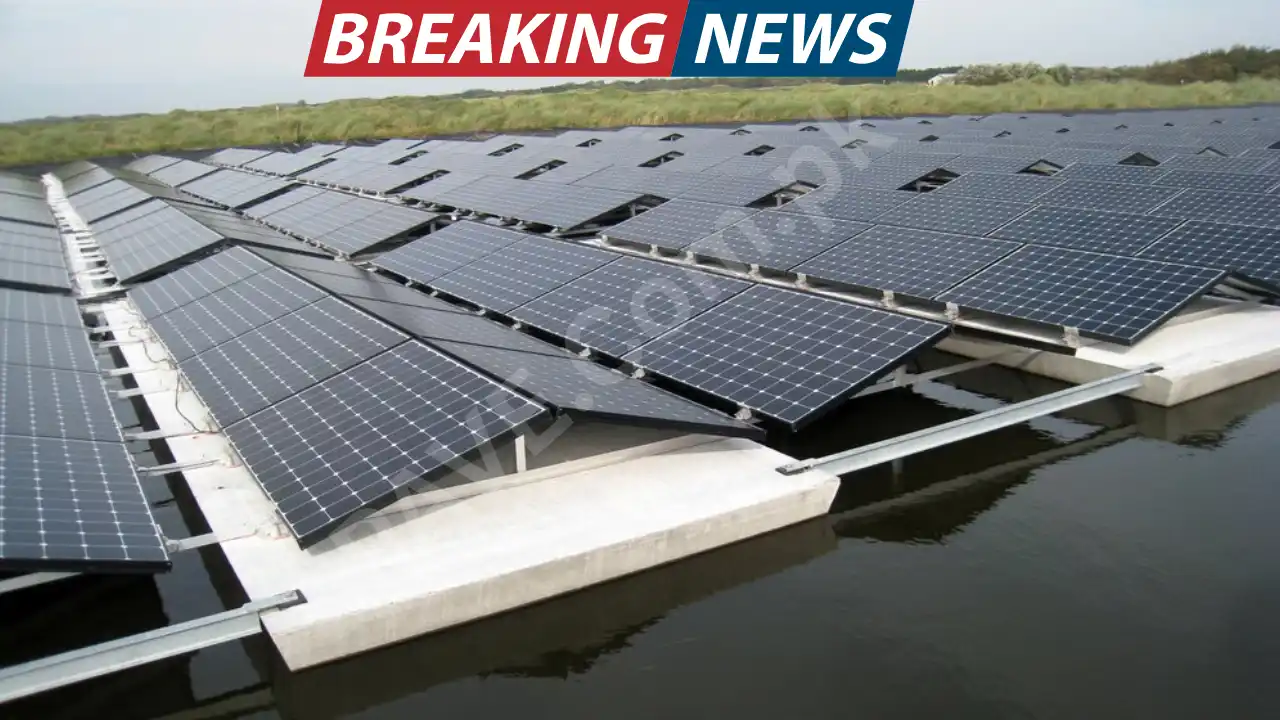
Investigations are currently underway into various illicit activities. These include trade-based money laundering, comprehensive tax evasion, complex fund layering, and serious foreign exchange violations. The FBR has committed to pursuing these cases rigorously to ensure accountability and recover public funds.
FBR’s Detailed Findings on Import Irregularities in Sindh Solar Imports
FBR informed the committee about imports by M/s Beyond Green, Karachi, through clearing agent M/s Vista Impex. Between December 2024 and July 2025, they imported 200,968 solar home system units across 10 consignments. These consignments were declared under specific HS Codes (8501.7210 and 8501.711). Consequently, they attracted zero customs duty, 18 percent sales tax, 3 percent additional sales tax, and zero income tax. Furthermore, four consignments bypassed scrutiny via the Green Channel.
However, verification later exposed discrepancies. The goods declarations submitted to the Sindh government were found to be either fake or tampered, a fact officially confirmed in October 2025. Further investigation revealed that M/s Shenzhen LEMI Technology Development Co Ltd, China, supplied these same solar kits to the Sindh government at significantly inflated prices, as per official SSEP contracts. The contractual price was around $112.44 per kit, excluding duties and taxes, with the World Bank reportedly making direct payments to the supplier at this elevated rate.
For tax assessment, the FBR determined a transactional value of $103.08 per unit. This led to the issuance of 10 contraventions, subsequently referred to customs adjudication authorities. Show-cause notices have been issued, and the case remains pending. The FBR is pushing for swift resolution to address the substantial revenue loss and hold responsible parties accountable for this significant Sindh Solar Imports Tax Theft. Authorities are investigating several key areas:
- Large-scale under-invoicing during customs clearance.
- Widespread tax evasion across multiple consignments.
- Suspicious trade-based money laundering schemes.
- Complex fund layering and foreign exchange violations.
- Tampered or fake goods declarations submitted to the Sindh government.
Allegations of Money Laundering and Project Closure
The committee received further information regarding financial malpractices. Fake invoices amounting to $12.5 million were allegedly generated. Moreover, evidence suggests third-party remittances were routed through UAE-based entities. This raises significant red flags concerning money laundering and fund layering. Therefore, the case has been referred for proceedings under the Anti-Money Laundering Act, 2010. A comprehensive sales tax audit has also been strongly recommended.
FBR informed the committee that the SSEP formally concluded on July 31, 2025. However, approximately 30,000 solar kits, out of a total of 200,000, could not be distributed within the project timeline. These remaining kits will now be managed separately. This situation further complicates the project’s overall assessment and closure.
Accountability and Ongoing Investigations
Following these significant revelations, the Sindh cabinet took action on December 1, 2025. They referred the entire matter to the Enquiries and Anti-Corruption Establishment (EACE). Currently, a forensic audit is actively underway. Furthermore, the National Accountability Bureau (NAB) has also taken cognizance of the case, indicating a multi-pronged approach to justice.
Committee chairman Saifullah Abro questioned the lack of official suspensions following these findings. He was informed that no suspensions had occurred thus far. Consequently, he directed that a formal letter be sent to the chief minister, demanding accountability for all individuals involved in this scandal. Addressing the Sindh Solar Imports Tax Theft is crucial for economic stability. This underscores the parliamentary body’s commitment to rooting out corruption.
Parliamentary Oversight and Ministerial Absences
Earlier, the Senate panel expressed strong displeasure over consistent absences. Minister for Economic Affairs Ahad Khan Cheema, senior bureaucrats, and provincial secretaries repeatedly missed committee meetings. Committee members deemed this a serious violation of parliamentary oversight responsibilities. An additional secretary from the Economic Affairs Division explained the minister was attending the World Economic Forum in Davos. However, this explanation failed to satisfy the committee members, who emphasized the importance of their investigative duties.