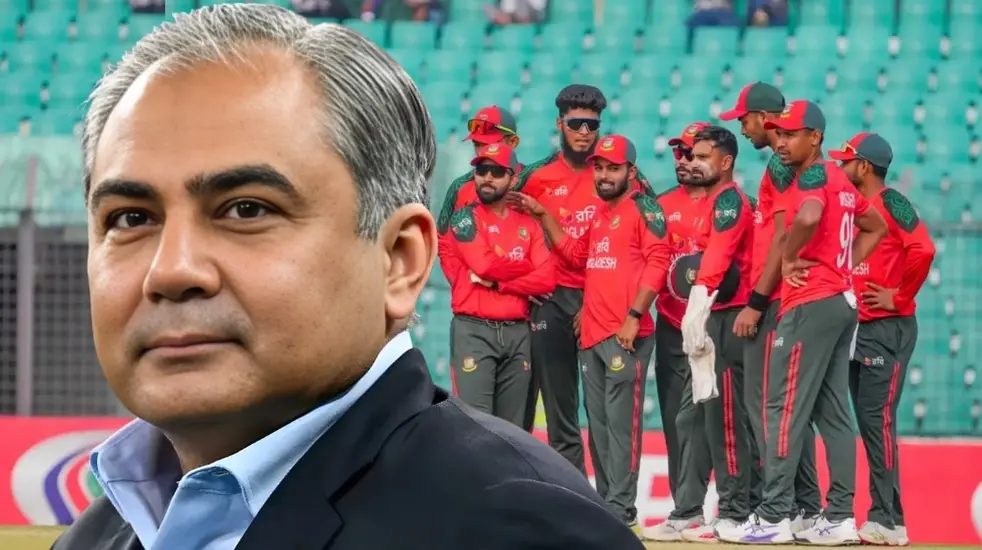
The integrity of Pakistan’s national sports ecosystem faces a critical calibration point following the unacceptable surge of online fan harassment directed at cricketer Salman Ali Agha’s family. This structural challenge, intensified after Pakistan’s ICC T20 World Cup 2026 Super Eight loss to England, demands a systemic re-evaluation of digital fan engagement and athlete protection protocols. Agha’s wife has courageously voiced her concern, calling for a cessation of abuse targeting players’ families, particularly children, underscoring a vital need for digital decorum.

The Translation: Deconstructing Digital Hostility
Post-match fan reactions often manifest as intense criticism, a baseline expectation in high-stakes competitive sports. However, this recent incident illustrates a clear deviation from constructive feedback into virulent digital aggression. Specifically, following England’s decisive victory, segments of the fan base escalated their online frustration, culminating in personal attacks, derogatory labels, and even death threats against Agha’s family. This response transcends mere emotional venting, indicating a structural flaw in the current digital interaction paradigms.
The labeling of Agha’s British-Pakistani wife as an “English agent,” coupled with the doxing of her social media account, represents a severe breach of privacy and a calculated attempt at reputational damage. Consequently, these actions highlight a concerning trend where public disappointment morphs into targeted harassment, challenging the very principles of sportsmanship and respect within the digital sphere.

The Socio-Economic Impact: Safeguarding National Assets
The pervasive nature of online fan harassment directly impacts the psychological well-being of national athletes and their families. For a Pakistani student aspiring to a career in sports, witnessing such abuse could deter them from pursuing their dreams, thus limiting the national talent pipeline. Professionals, already under immense pressure, face an added layer of digital vulnerability, which can lead to decreased performance and mental health issues.
Furthermore, households across urban and rural Pakistan, where cricket often serves as a unifying cultural force, are implicitly affected. When national heroes and their loved ones are targeted, it erodes public trust and dilutes the positive societal influence of sports. This erosion of trust can consequently diminish overall community engagement and support for national teams, posing a strategic challenge to long-term athletic development.
The “Forward Path”: A Momentum Shift Required
This incident unequivocally signals a Momentum Shift is required in how Pakistan’s sports institutions and fan communities engage digitally. It is no longer sufficient to merely condemn such acts; a robust, multi-faceted strategy is imperative. This includes implementing advanced digital monitoring systems to identify and address threats, alongside educational campaigns promoting respectful online conduct. Specifically, the Pakistan Cricket Board (PCB) must establish clearer guidelines and consequences for digital misconduct.
Moreover, developing accessible support mechanisms for athletes and their families facing such abuse is a structural necessity. This approach, integrating technology, ethics, and community building, will cultivate a resilient digital environment. Ultimately, protecting our national assets – our athletes – from unwarranted aggression is a strategic imperative for continuous progress and maintaining the integrity of Pakistan’s sporting identity.