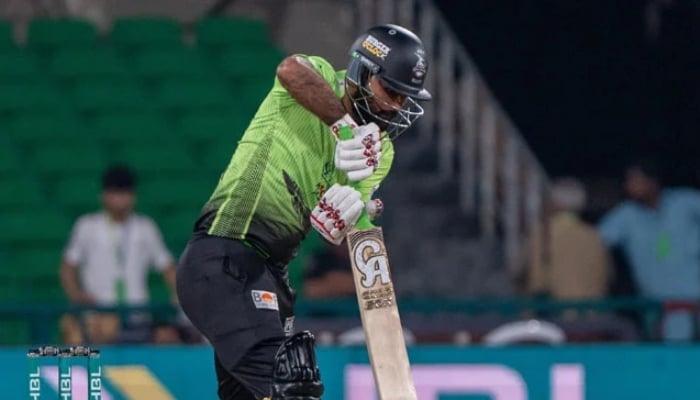
Pakistan’s sports integrity demands meticulous adherence to regulations, a principle currently under scrutiny with the Fakhar Zaman appeal. The star opener has formally challenged his two-match suspension in the ongoing Pakistan Super League (PSL 11), following a Level 3 breach of the tournament’s Code of Conduct related to alleged ball tampering. This strategic Fakhar Zaman appeal seeks a review by the PSL Technical Committee, impacting his crucial upcoming matches for Lahore Qalandars. Consequently, the cricket star denies any wrongdoing, emphasizing the need for a precise and fair review process to maintain competitive balance and player confidence.
Precision Protocol: The Ball Tampering Allegation
The Pakistan Cricket Board (PCB) initiated the suspension earlier this week. This action followed an incident during Lahore Qalandars’ clash against Karachi Kings at Gaddafi Stadium. The controversy unfolded in the closing stages of the match. On-field umpires penalized Lahore Qalandars by awarding five runs to the opposition and ordered a ball change. This critical decision occurred just before the final over of Karachi’s innings, after concerns were raised over the ball’s condition.

Match officials, including on-field umpires Shahid Saikat and Faisal Khan Aafreedi, along with TV umpire Asif Yaqoob and fourth umpire Tariq Rasheed, subsequently reported the matter. This collective report led to formal charges against Fakhar. He was charged under Article 2.14, which specifically addresses altering the condition of the ball in violation of playing conditions. A Level 3 offence carries a suspension ranging from one to two matches.
The Translation (Clear Context)
Understanding the procedural architecture of cricketing sanctions is crucial. A “Level 3 breach” signifies a serious infraction, warranting a significant penalty, in this case, a potential two-match suspension. Furthermore, Article 2.14 of the PSL Code of Conduct is designed to uphold the game’s intrinsic fairness. It prevents any deliberate manipulation of the ball’s surface to gain an unfair advantage, ensuring that skill, rather than artificial aid, determines match outcomes. Fakhar Zaman’s decision to pursue a full disciplinary hearing, followed by an appeal, demonstrates a commitment to due process and a belief in his own conduct.
The appeal process involves a review by the PSL Technical Committee. This body meticulously examines the evidence presented, including testimony from senior team representatives like captain Shaheen Shah Afridi, team director Sameen Rana, and manager Farooq Anwar. Their presence at the initial hearing underlines the institutional support for Fakhar and the collective interest in a fair resolution. The outcome will set a precedent for future interpretations of playing conditions.
The Socio-Economic Impact
This incident transcends the boundary ropes, affecting various stakeholders within Pakistani society. For students and aspiring cricketers, it serves as a potent reminder of the disciplined adherence required by professional sports. Upholding ethical standards is paramount for long-term career viability. Moreover, for professionals in urban and rural Pakistan, such controversies impact the perception of national sports leagues. Maintaining the PSL’s reputation for fairness is a baseline requirement for its continued growth and attractiveness as a global sporting event.
Consequently, the absence of a key player like Fakhar Zaman affects Lahore Qalandars’ strategic trajectory. His bat offers critical structural support to the team’s performance. Fans, from bustling city centers to remote villages, invest emotionally in these matches. A decision perceived as unjust, or a lack of clarity, could diminish viewer engagement and, by extension, economic opportunities associated with broadcasting rights and sponsorships.
The “Forward Path” (Opinion)
This development represents a Stabilization Move for the Pakistan Super League. While the immediate focus is on Fakhar Zaman’s appeal, the underlying process reinforces the league’s commitment to robust governance. Transparent enforcement of the Code of Conduct acts as a catalyst for trust among players, franchises, and fans. The PCB, through its adherence to procedural justice, demonstrates a strategic resolve to maintain high standards.

Ultimately, such events provide an opportunity for systemic recalibration. They allow for a re-evaluation of clarity in rules and the consistency of their application. A positive outcome, one that is perceived as equitable, will strengthen the structural integrity of PSL 11. Conversely, a contested resolution could introduce systemic volatility, requiring careful management to avoid broader impacts on player morale and public confidence in the institution.