Strategic Overview: Gulf Tensions Escalation
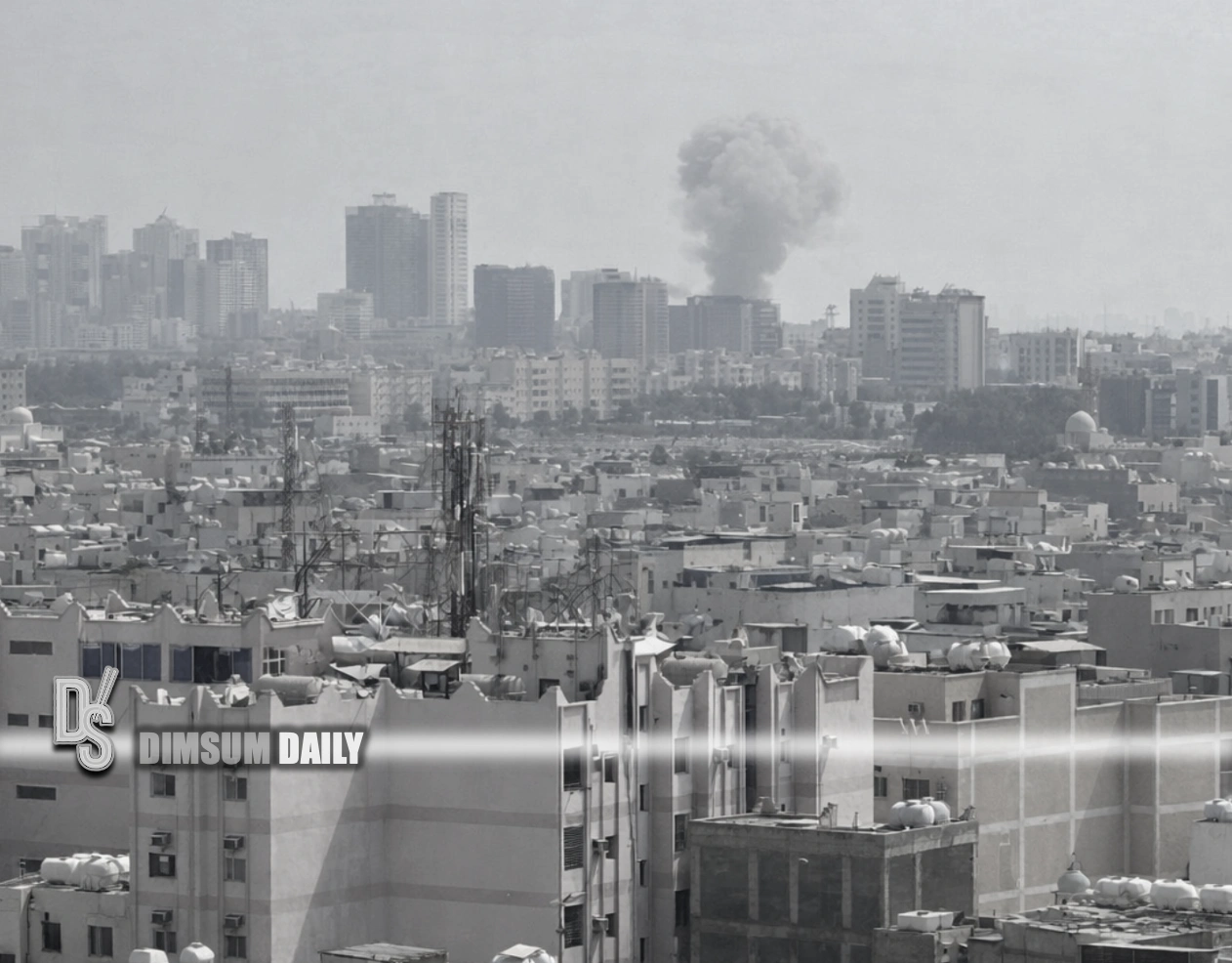
The current Gulf Tensions Escalation signifies a critical phase in regional stability, as multiple explosions and significant air defense activities have been reported across key Gulf nations. This immediate geopolitical flux, stemming from alleged Iranian ballistic missile strikes on US military facilities, necessitates a calibrated examination of its structural implications. This development profoundly impacts the strategic security calculus for the entire Middle East, potentially reshaping operational baselines for international engagements.
The Translation: Deconstructing the Regional Event Horizon
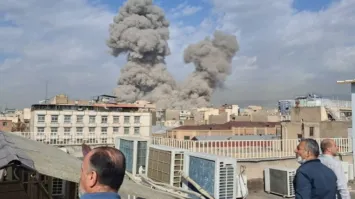
Recent reports confirm widespread auditory events and air defense activations across the Gulf. Specifically, residents and local media in Abu Dhabi, Manama, Dubai, Riyadh, Kuwait, and Doha have documented loud blasts. Consequently, these incidents are concurrently linked to claims of Iranian ballistic missile engagements targeting identified US military installations. This strategic response follows earlier US-Israeli strikes on Tehran, establishing a clear reciprocal action framework. The reported targets encompass critical assets, including the US Navy’s 5th Fleet headquarters in Bahrain, Al Udeid Air Base in Qatar, Al Dhafra Air Base in the UAE, and various operational sites connected to US forces in Kuwait.

Furthermore, Bahraini authorities have confirmed a direct targeting of the US Navy’s 5th Fleet headquarters, with visible smoke in the vicinity of Juffair, a key naval presence area. In response to the evolving situation, Qatar, Kuwait, and the UAE have strategically closed their respective airspaces, a measure indicative of heightened security protocols. Moreover, Qatar issued explicit public guidance, urging its residents to seek indoor shelter and avoid proximity to military installations. Concurrently, Kuwait activated air raid sirens after initial reports of explosions, signaling an immediate threat response. This period also saw documented missile interceptions in various Gulf sectors, including Qatar, where air defense systems actively engaged incoming threats, demonstrating a robust defensive posture.
The Socio-Economic Impact: Calibrating for Pakistani Citizens
For Pakistani citizens residing or working in the Gulf region, this escalating tension presents a multifaceted challenge. The immediate impact manifests as heightened security alerts and potential disruptions to daily routines, particularly near military zones. Professionals working in critical infrastructure or service sectors may face operational adjustments. Furthermore, students and families must remain vigilant, adhering strictly to local advisories, such as Qatar’s directive to stay indoors. Economically, any sustained regional instability could affect remittance flows, a vital component of Pakistan’s economy, and impact expatriate employment opportunities. In contrast, the precision of military responses and regional de-escalation efforts will critically determine the long-term economic and social baseline for overseas Pakistanis, underscoring the need for strategic foresight regarding Gulf tensions escalation.
The “Forward Path”: Momentum Shift or Stabilization Move?
This sequence of events represents a critical “Stabilization Move” rather than a “Momentum Shift” in the broader geopolitical framework. The strikes appear to be a calibrated response within an established cycle of escalation and retaliation, designed to re-establish deterrence rather than initiate a new conflict paradigm. While concerning, the immediate actions, such as airspace closures and defensive engagements, reflect a structured, albeit tense, management of the crisis. Consequently, the primary objective now shifts towards de-escalation through diplomatic channels and reinforcing regional security architectures. A sustained, strategic effort will be crucial to prevent these localized engagements from transitioning into a broader, destabilizing regional conflict, maintaining a baseline of controlled tension.