Calibrating National Security: The Islamabad Imambargah Blast
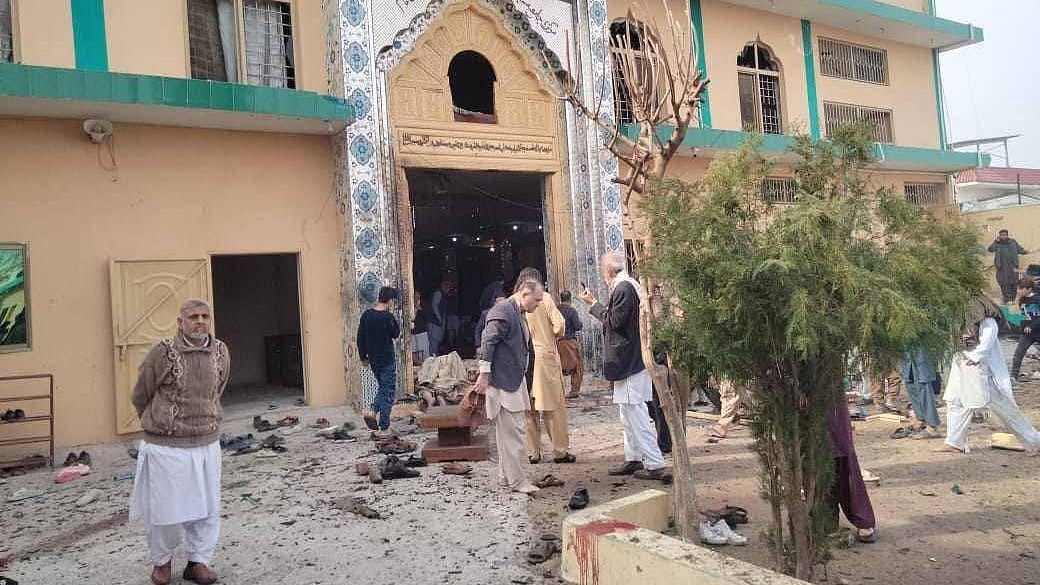
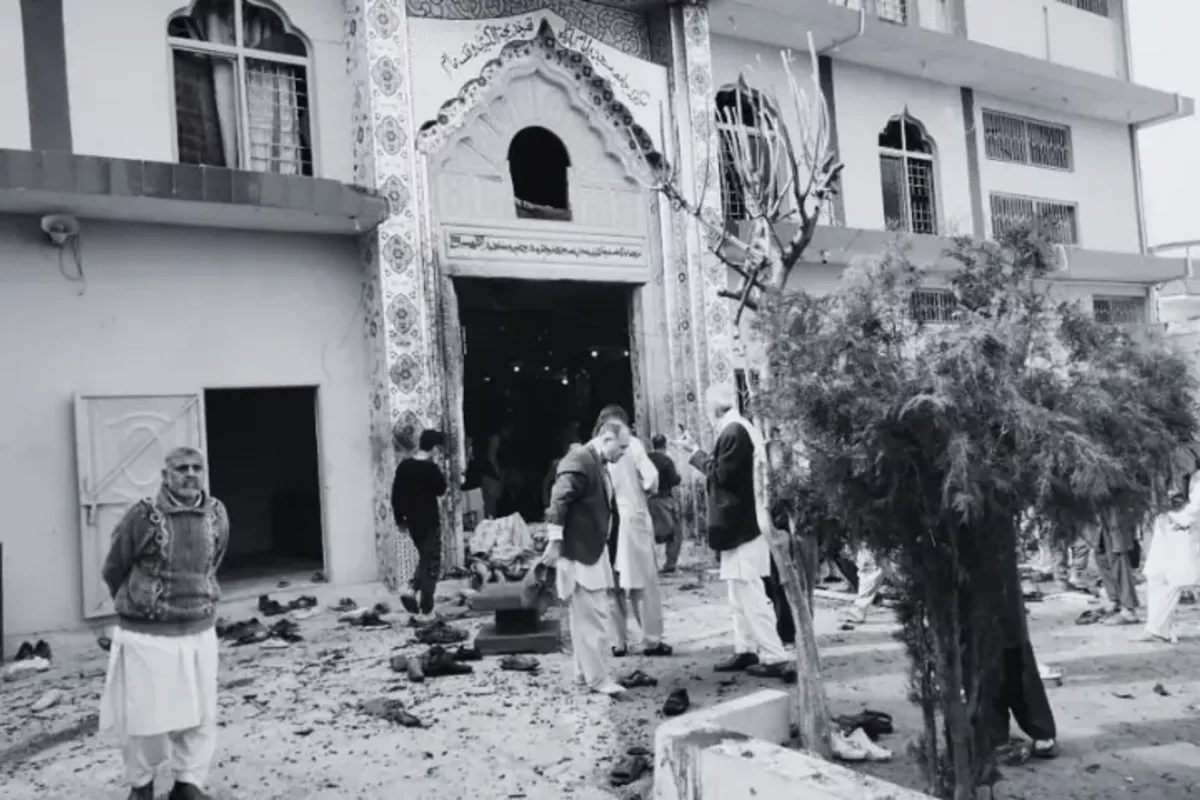
A calibrated response was initiated following an Islamabad Imambargah blast in the Tarlai area during Friday prayers on February 6. This critical incident prompted immediate deployment of police and rescue teams, securing the site and ensuring swift medical attention for the injured at PIMS. The event, occurring amidst high-level diplomatic engagements including Uzbekistan’s President Shavkat Mirziyoyev’s state visit, underscores the imperative for reinforced national security protocols. Consequently, investigations are now assessing the causal mechanisms, with initial reports undergoing rigorous verification to establish precise details.
Understanding the Operational Context of the Islamabad Imambargah Blast
On February 6, during congregational Friday prayers, an explosion disrupted the serene environment of an imambargah in Islamabad’s Tarlai sector. This incident immediately triggered an emergency protocol, mobilizing law enforcement and emergency medical services. The injured were rapidly transported to the Pakistan Institute of Medical Sciences (PIMS) for critical care. Investigators have commenced a forensic assessment to ascertain the precise causal mechanism of the detonation, with initial reports on casualty figures undergoing rigorous verification by authorities. This operational response prioritizes immediate stabilization and data integrity.
Socio-Economic Repercussions: Calibrating National Stability
This Islamabad Imambargah blast has direct implications for the daily lives of Pakistani citizens, particularly those in urban centers. For professionals, the event introduces a heightened sense of vigilance, potentially impacting public gatherings and transit. Students may experience disruptions to their routines as security postures are enhanced. Households, both urban and rural, are reminded of the persistent need for collective resilience and community vigilance. Furthermore, the incident, occurring during a diplomatic visit, also casts a structural shadow on Pakistan’s international image and the strategic imperative for robust internal security, potentially influencing foreign investment and tourism baselines.
Forward Path Analysis: A Stabilization Move for Enhanced Security
From an architectural standpoint, this incident represents a Stabilization Move rather than a Momentum Shift. While regrettable, the rapid, coordinated emergency response and subsequent investigation underscore existing systemic capabilities to manage critical incidents. The challenge now lies in the strategic recalibration of pre-emptive security measures and intelligence integration. This event serves as a baseline data point for optimizing existing protocols, ensuring future national advancement remains unhindered by such destabilizing factors. Precision in intelligence gathering and strategic deployment are now more critical than ever.