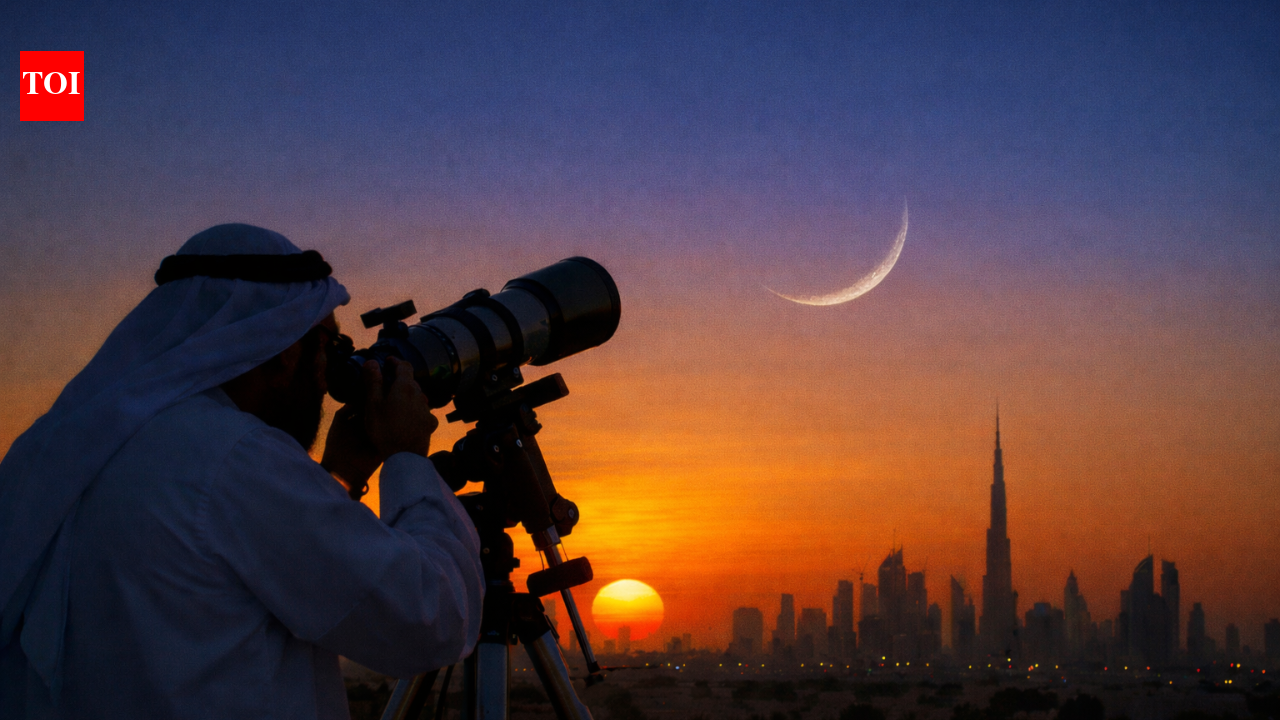
Architecting Safe Observation: Ramadan Moon Sighting Safety
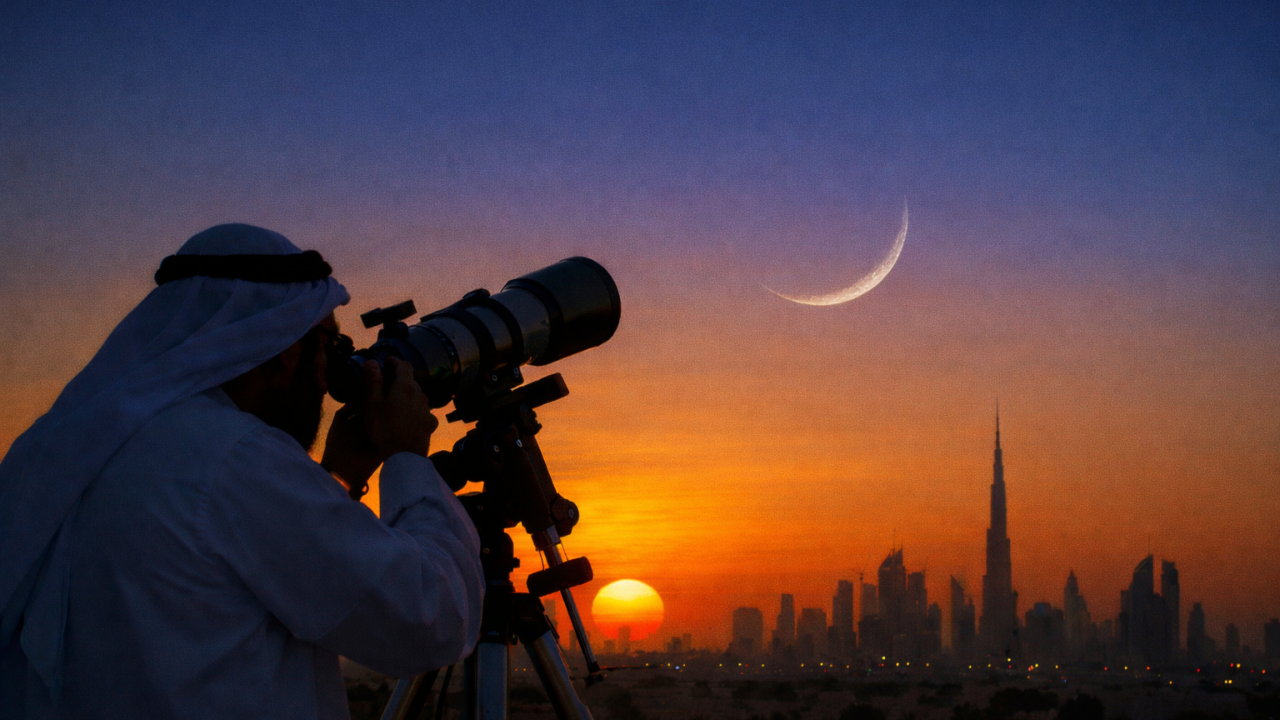
The imperative for precise observation during celestial events necessitates a calibrated approach to public safety. As Pakistan anticipates the Ramadan moon sighting, experts issue a critical warning: improper viewing techniques, especially with optical devices during a coinciding solar alignment, pose a severe risk to ocular health. This structural imperative demands adherence to approved methods, safeguarding individual vision and national well-being against the irreversible damage from intense solar radiation.
The Translation: Deconstructing Celestial Risks
Astronomical data reveals a precise alignment of the moon and sun during the observation period. Specifically, a solar eclipse will precede the sunset on the designated day, positioning the moon exceptionally close to the sun’s disc. The International Astronomy Center reports an angular separation of approximately one degree at sunset in Riyadh, effectively placing the moon only about half a degree from the sun. Consequently, this proximity significantly escalates the potential for direct or indirect solar ray exposure to the eyes.
Utilizing optical instruments like telescopes or binoculars under these conditions amplifies the hazard. These devices concentrate solar energy, introducing the sun’s intense glare directly into the field of view. Furthermore, specialists confirm that even after the sun fully sets, the moon’s lower edge will have already descended below the horizon, rendering crescent visibility practically impossible through safe means.
The Socio-Economic Impact: Protecting Pakistan’s Future
This critical Ramadan Moon Sighting Safety warning directly impacts the daily lives of Pakistani citizens, particularly students and professionals. Unsafe viewing practices can lead to severe, even permanent, vision impairment. Such a loss impedes educational pursuits, career progression, and overall quality of life, placing an undue burden on healthcare systems. Therefore, robust public awareness campaigns are not merely advisory; they are a baseline requirement for preserving the human capital essential for national development.
For urban families and rural communities alike, participating in cultural and religious observations without understanding the associated risks can have profound long-term consequences. Ensuring safe practices during celestial events is a collective responsibility, promoting a healthier and more productive populace.
The Forward Path: A Stabilization Move for Public Health
This intervention represents a crucial Stabilization Move rather than a “Momentum Shift.” It is a proactive measure designed to prevent a potential public health crisis, ensuring existing capacities are preserved. The consistent messaging from astronomical bodies globally, including the Dubai Astronomy Group, underscores the universal nature of this scientific consensus. Consequently, promoting disciplined, scientifically-backed observation methods reinforces a culture of informed decision-making within the community.
A strategic focus on educating the public through clear, actionable guidelines will mitigate risks effectively. This structural reinforcement of public health protocols contributes to the long-term resilience and well-being of the nation. Adherence to expert guidance is not merely caution; it is a catalyst for societal robustness.