
Strategic Recalibration of Pakistan’s Solar Net Metering Policy
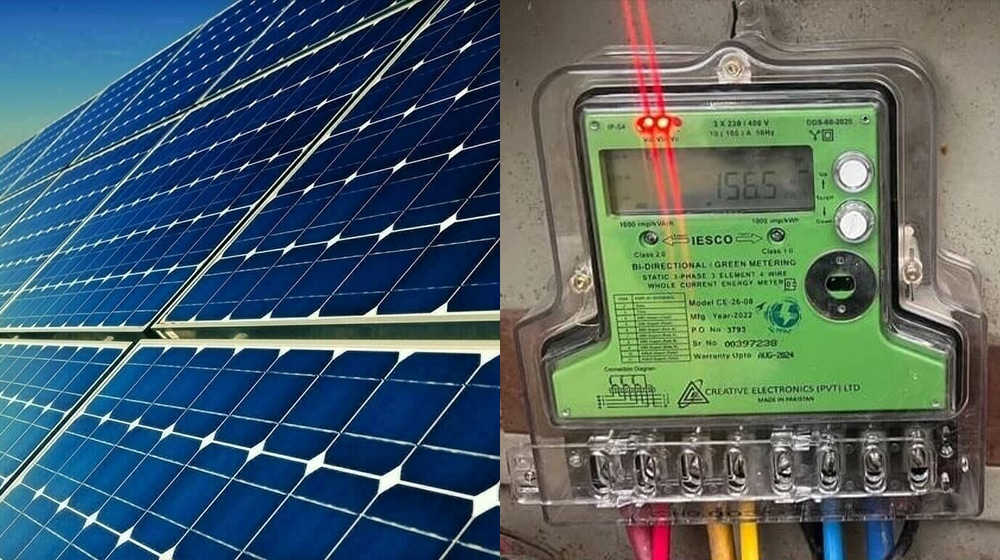
The Power Division has formally requested NEPRA to re-examine the Prosumer Regulations 2026, a decisive action initiated by Prime Minister Shehbaz Sharif. This directive aims to safeguard current solar consumers under the existing solar net metering policy. Specifically, individuals with valid net metering licenses as of February 9, 2026, will retain their previous benefits, ensuring the protection of their initial investments. New consumers, however, will operate under the revised regulatory framework. This calibrated approach seeks to balance investor confidence with systemic grid stability, preventing an undue financial burden on non-solar grid users while fostering sustainable energy growth.
The Translation: Decoding Pakistan’s Energy Directives
This policy revision is a direct response to public criticism regarding new regulations that threatened significant investments in solar infrastructure across thousands of Pakistani homes and businesses. Essentially, the government acknowledges the critical need to honor pre-existing contracts. Current solar users will continue to benefit from the earlier net metering mechanism, where they are compensated for excess electricity fed back into the national grid at favorable rates. In contrast, future solar installations will fall under a new, potentially less advantageous, tariff structure. This dual-system approach maintains a baseline of trust for early adopters.
Furthermore, authorities are projecting that approximately 466,000 existing solar consumers could inadvertently transfer financial costs to over 38 million grid users if this issue remains unaddressed. Therefore, the Power Division is mandated to implement solutions that ensure equitable cost distribution, critically maintaining grid stability and upholding the contractual rights of current prosumers.

Socio-Economic Impact: Stabilizing Household & Business Energy Futures
This policy clarification directly impacts the daily lives of Pakistani citizens across various demographics. For existing solar-powered households and businesses, this decision provides crucial financial security, affirming the long-term viability of their initial investments in renewable energy. Students and professionals who planned their budgets around reduced electricity costs can now rely on those savings. In urban centers, where solar adoption is higher, this alleviates concerns over potential financial setbacks. Rural communities, increasingly exploring solar solutions, gain clarity on future investment parameters.
Consequently, this strategic move prevents a potential economic shock for hundreds of thousands of families and small enterprises. It reinforces the government’s commitment to protecting citizen investments, which is paramount for fostering trust in evolving national infrastructure projects. However, the debate also highlights the need for a balanced approach; non-solar consumers currently bear an additional cost of approximately Rs. 3.5 per unit due to the existing net metering regime. This structural challenge requires innovative solutions to ensure energy equity for all citizens.

The Forward Path: A Stabilization Move for Energy Sector Equilibrium
This development represents a Stabilization Move rather than a dramatic Momentum Shift. The government’s intervention is a necessary recalibration to correct a policy misstep and mitigate immediate public backlash. While it safeguards existing investments, it simultaneously acknowledges the inherent challenges of rapid solar adoption on grid stability and equitable cost distribution among consumers. The decision to maintain benefits for existing users ensures continuity and prevents a collapse of confidence in renewable energy initiatives.
However, the underlying structural issues, such as the financial burden on non-solar consumers and the technical demands on the grid, persist. Future policy must strategically address these imbalances. The path forward demands a robust, data-driven framework for new solar installations that ensures both long-term sustainability and equitable energy access. This precision engineering of energy policy will be critical for Pakistan’s national advancement.








