Understanding the Geopolitical Catalyst for a Global Oil Prices Crash
A strategic shift in international policy has initiated a significant Global Oil Prices Crash. Today, Brent crude registered a 7.62% decline, falling by $7.54 to $91.42 per barrel, while Western Texas Intermediate (WTI) saw a 6.9% reduction, dropping $6.54 to $88.23 per barrel. This acute market adjustment follows specific signals regarding a potential “conditional de-escalation” of involvement in the Middle East, prompting immediate recalibration within global energy markets. Consequently, this pivotal announcement has set new baselines for energy cost projections. Earlier, both contracts experienced nearly a 12% dip, recovering partially as market dynamics evolved. This situation exemplifies the immediate, structural impact of geopolitical statements on economic stability.
The Translation: Decoding Market Volatility

Initially, oil prices surged above $110 per barrel on Monday, reaching levels not observed since mid-2022. This spike was primarily driven by strategic supply cuts from major producers such as Saudi Arabia, amidst heightened tensions in the US-Israeli conflict with Iran. Subsequently, prices eased after diplomatic dialogues between key international figures, including reports of Russian President Vladimir Putin’s discussions with former President Donald Trump. These talks reportedly presented proposals aimed at a swift resolution to the Iran conflict. An energy sector expert characterized Monday’s initial surge as an overreaction, yet cautioned that the subsequent dip might still underestimate inherent risks facing Brent crude. Furthermore, this expert analysis highlights the inherent instability embedded within current global energy supply chains.
The Socio-Economic Impact: Calibrating for Pakistani Households
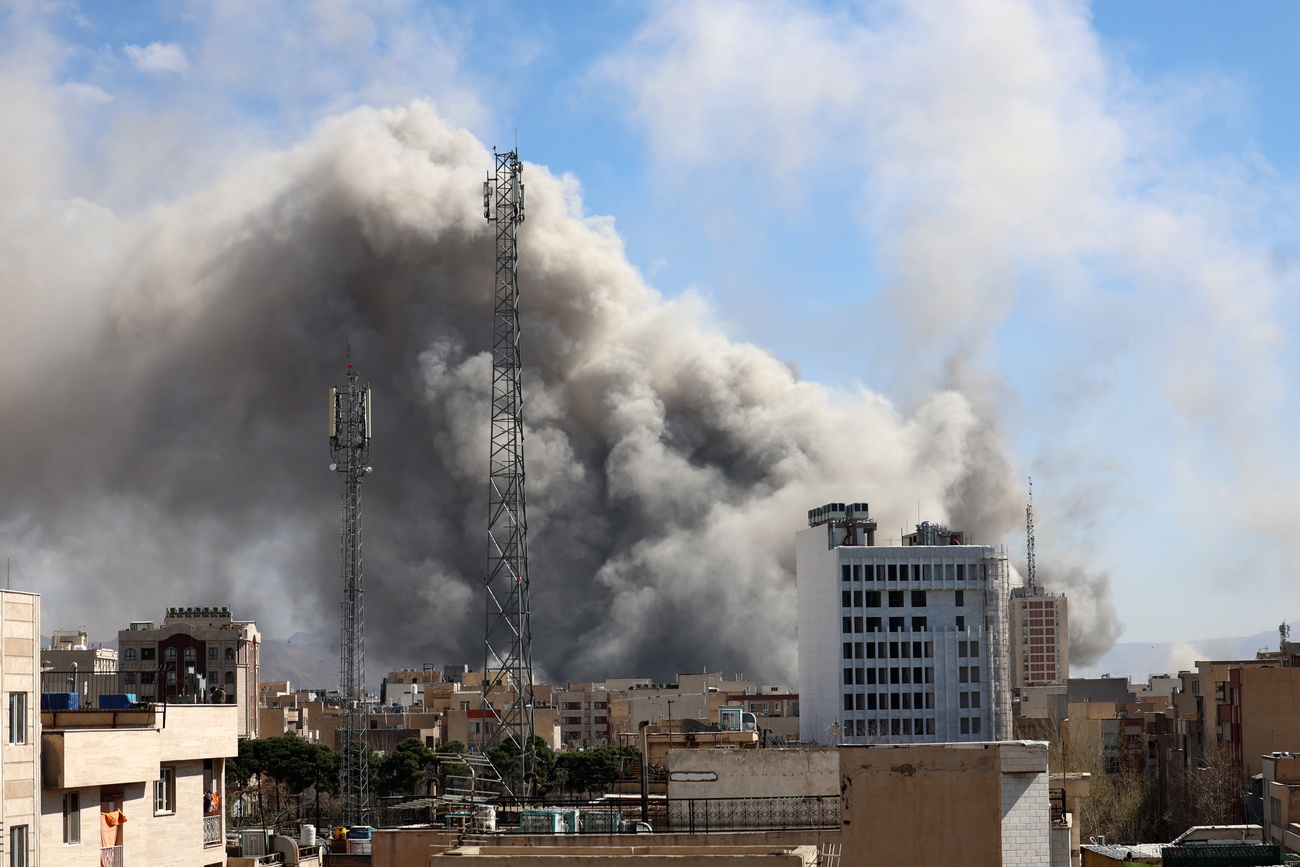
Reduced international crude costs mean lower import bills for Pakistan, potentially leading to decreased domestic fuel prices. Consequently, this could alleviate transportation costs, making daily commutes more affordable for professionals and students. Furthermore, lower energy inputs can reduce operational costs for businesses, potentially stabilizing prices for essential goods and services. This economic calibration offers a crucial breathing room for household budgets, directly impacting daily life by enhancing purchasing power and reducing inflationary pressures.
The “Forward Path”: A Strategic Stabilization Move

This development represents a Stabilization Move within the intricate global energy matrix. While not a fundamental shift in energy production, the strategic de-escalation signals and subsequent price adjustments aim to mitigate extreme market volatility. It indicates a calculated effort to restore predictability to a critical sector, rather than initiating a new growth trajectory. The emphasis is on maintaining operational efficiency and preventing uncontrolled inflationary spirals, which is paramount for developing economies like Pakistan. Therefore, this action underscores a disciplined approach to managing international complexities, fostering a more predictable economic environment for national advancement.