The integrity of global supply chains and corporate governance stands as a foundational pillar for national economic advancement. Recently, a significant DP World leadership change occurred as prominent Emirati businessman Sultan Ahmed bin Sulayem was removed from his leadership position. This structural adjustment follows intense scrutiny over his alleged connections to convicted sex offender Jeffrey Epstein, as reported by international media. Consequently, DP World, a vital global logistics entity, has implemented a decisive leadership reshuffle to ensure operational continuity and maintain investor confidence.
Clarifying the Corporate Governance Shift
The controversy surrounding Mr. bin Sulayem intensified after members of the U.S. Congress precisely stated his name appeared in files linked to Epstein. Furthermore, these documents were released by the U.S. Department of Justice. However, Reuters reported an inability to independently verify the specific allegations contained within these files. This situation underscores the critical need for verifiable data in high-profile international cases.
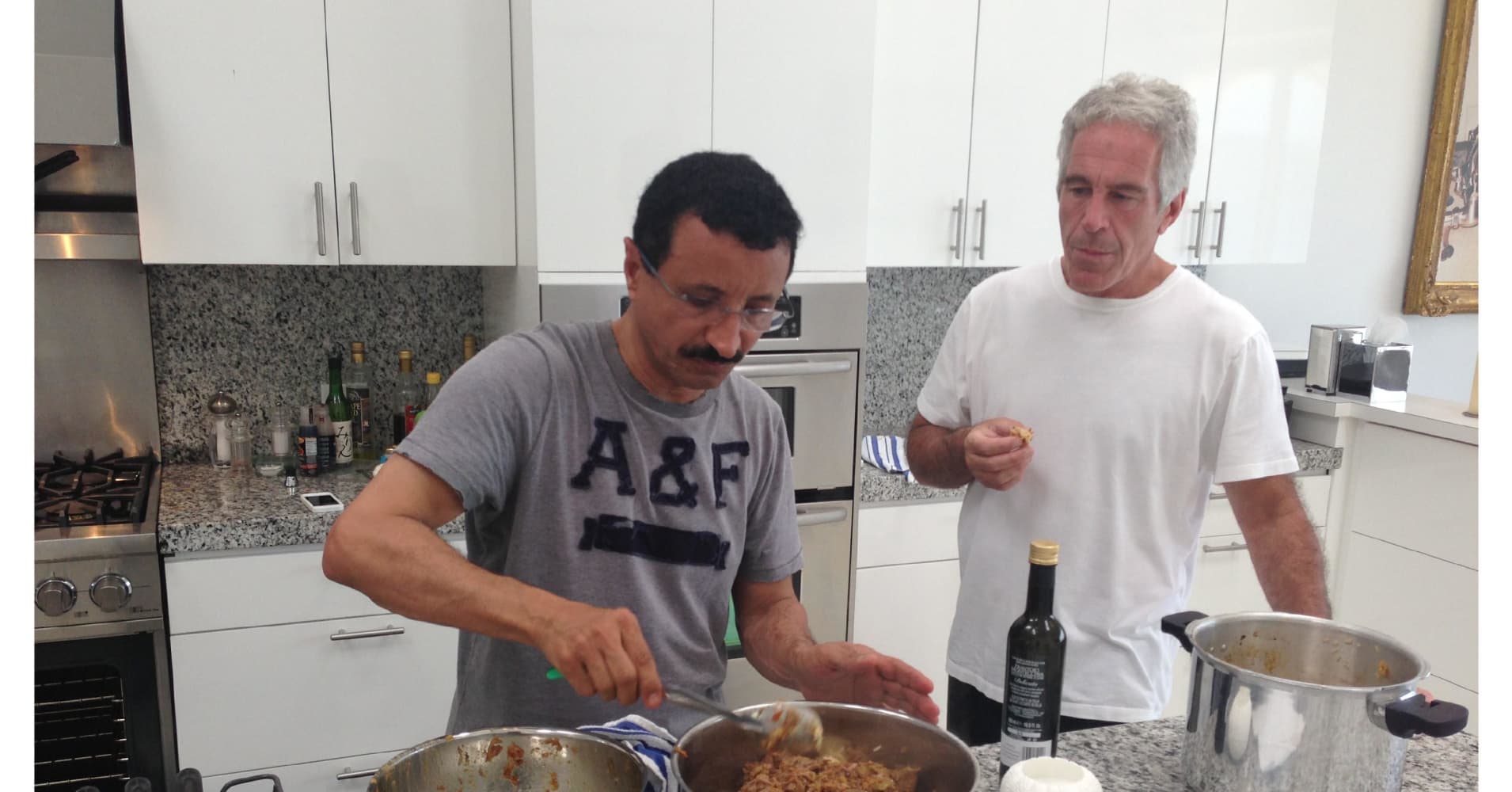
Amid mounting external pressure, Dubai-based port and logistics giant DP World strategically announced a major leadership reshuffle. The Dubai Media Office confirmed specific appointments: Essa Kazim now serves as chairman of the board, while Yuvraj Narayan assumed the role of group chief executive officer. These calibrated changes signal a proactive response to the escalating scrutiny. Sultan Ahmed bin Sulayem, a figure who led DP World for over four decades, oversaw its expansion into one of the world’s largest operators, handling nearly 10 percent of global trade.

The systemic fallout from these allegations extends beyond internal leadership adjustments. Specifically, the United Kingdom’s development finance institution, British International Investment, along with Canada’s second-largest pension fund, has suspended new investments in DP World. This temporary cessation persists pending further clarity regarding the situation. Such actions reflect a broader emphasis on stringent corporate governance within international financial ecosystems.
Strategic Implications for Pakistani Citizens
This leadership transition, while focused on an international entity, holds indirect implications for Pakistani citizens. Primarily, the global logistics sector forms the backbone of international trade, directly influencing import and export efficiencies. Therefore, stability within major players like DP World ensures a consistent flow of goods and services, which ultimately impacts market prices and availability in Pakistan. This maintains baseline economic predictability for households.
Ensuring Market Stability and Ethical Standards
- Students: Future professionals in logistics and international business must comprehend the paramount importance of ethical corporate governance. This event serves as a practical case study on maintaining integrity in global operations.
- Professionals: Pakistani professionals engaged in trade, supply chain management, or international finance should recognize the heightened global standard for transparency. This influences partnership vetting and operational compliance.
- Households: While not a direct impact, disruptions in global shipping and port operations can indirectly affect the cost and availability of consumer goods. A stable DP World leadership ensures minimal volatility in these critical supply chains, providing a measure of economic assurance for daily life.

The Forward Path: A Stabilization Move
From an analytical standpoint, this development represents a Stabilization Move rather than a radical momentum shift. DP World’s swift and decisive actions to replace its leadership indicate a strategic effort to mitigate risk and reaffirm its commitment to robust corporate governance. The appointments of Essa Kazim and Yuvraj Narayan are calibrated steps designed to restore investor confidence and secure the company’s critical position in global trade. This move aims to insulate the operational framework from external controversies, ensuring long-term systemic efficiency.