Optimizing Pakistan Electricity Subsidies for Fiscal Sustainability
In a strategic move towards national advancement, the Power Division has calibrated a new plan to limit
Pakistan electricity subsidies exclusively to eligible consumers. This structural reform, intended for discussion
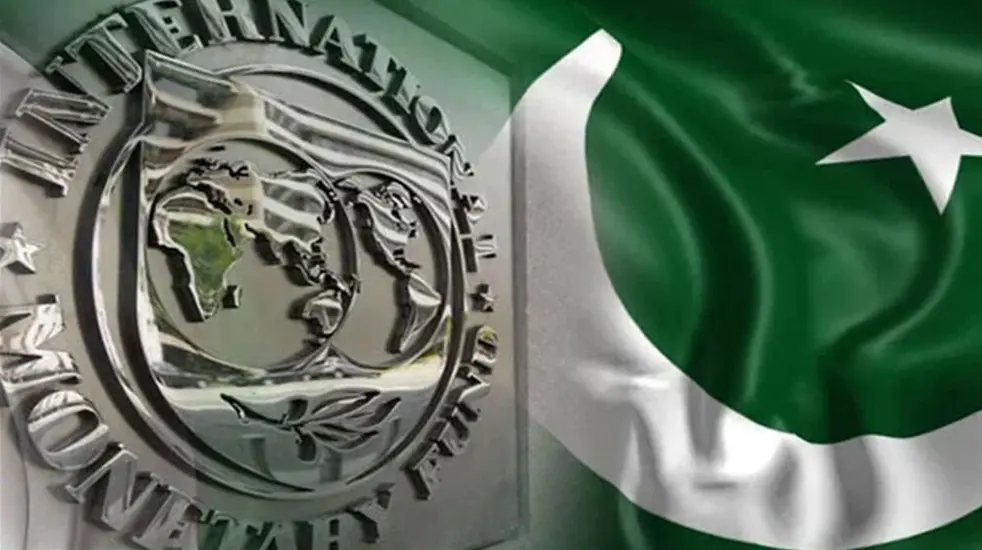
with the International Monetary Fund (IMF), represents a significant shift. Under the proposed framework, consumers
will bear the full cost of electricity, while the government will precisely target support to low-income households
identified through the Benazir Income Support Program (BISP) data, thereby ensuring system efficiency and fiscal
sustainability.

The Translation: Reframing Financial Mechanisms
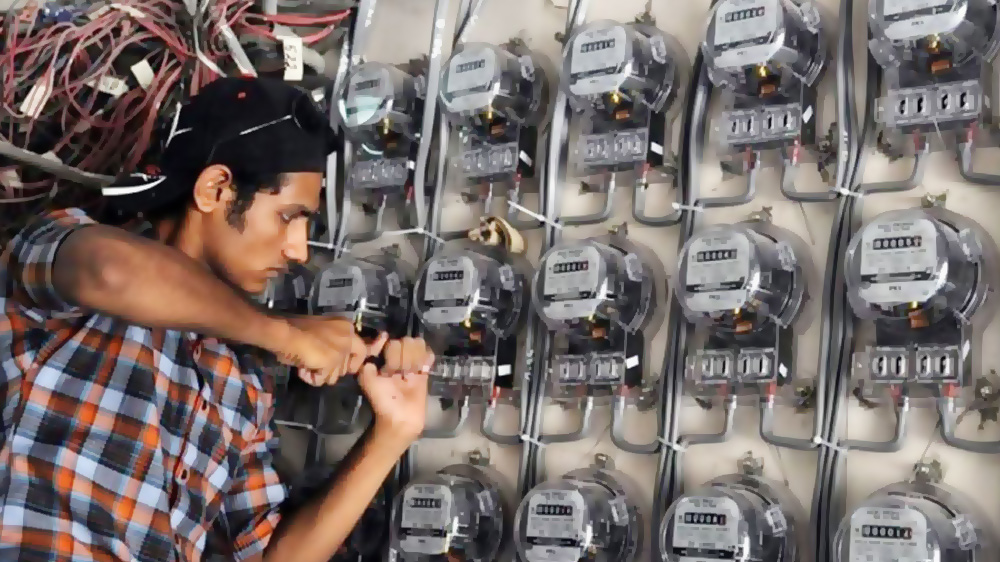
This initiative fundamentally redefines how electricity costs are managed. Traditionally, “cross-subsidies” meant that
some consumers or sectors paid inflated rates to offset reduced charges for others. Consequently, this obscured the true
cost of power and created financial inefficiencies. The new framework eliminates these hidden transfers, ensuring that
all electricity consumers are charged the actual production and delivery cost. Furthermore, any necessary assistance will
be explicitly budgeted and provided directly to deserving recipients via the Benazir Income Support Program, ensuring transparency.

Socio-Economic Impact: Calibrating Daily Life for Pakistani Citizens
This policy shift will have a direct, calibrated impact on Pakistani households and professionals. For middle to high-income
urban families, electricity bills will reflect the actual cost, potentially increasing their utility expenses. In contrast,
identified low-income households will receive direct, explicit support, which is intended to protect their purchasing power.
This structural adjustment aims to foster more equitable distribution of the energy burden. Students and small businesses
could also benefit from a more stable and predictable energy market, albeit with higher baseline costs. Consequently, rural
areas, often overlooked, stand to gain from targeted BISP integration.
Broader Energy Sector Reforms
Beyond electricity, the Petroleum Division is also developing plans to phase out cross-subsidies in the gas sector.
Current support is estimated at Rs. 225 billion. These future subsidies are projected for incorporation into the
federal budget. Overall, this integrated approach signals a comprehensive energy sector reform in Pakistan, enhancing
fiscal sustainability across multiple utilities.

The Forward Path: A Momentum Shift for Fiscal Discipline
This development represents a Momentum Shift. The strategic decision to limit
Pakistan electricity subsidies marks a pivotal advancement towards robust fiscal discipline and system efficiency.
By precisely targeting support, the government is moving away from broad, inefficient subsidies that distort market signals.
This structured approach, coupled with enhanced coordination with BISP for accurate consumer data, is a constructive step towards
creating a more sustainable and equitable energy framework for the nation. This is a critical baseline for future economic stability.