
Strategic Resource Calibration: The ECC Wheat Stock Sale
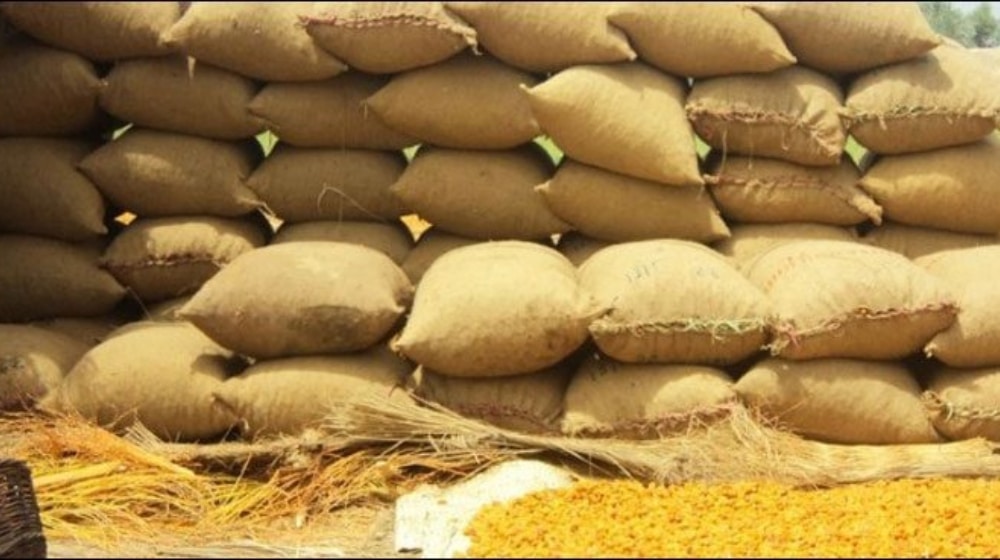
Pakistan’s Economic Coordination Committee (ECC) has strategically authorized the ECC Wheat Stock Sale of 500,000 metric tons from PASSCO reserves. This calibrated decision, executed via competitive bidding on a First-In-First-Out (FIFO) basis, aims to optimize national food supply and stabilize market prices. Previously, attempts to offload this stock faced insufficient bids. Consequently, the ECC has now approved revised reserve prices: Rs. 4,150 per 40 kg for local wheat and Rs. 3,800 per 40 kg for imported wheat, reflecting a precise adjustment to current market realities and carrying costs.
The Translation: Unpacking the Fiscal Directives
This action by the ECC signifies a proactive fiscal and logistical recalibration. The government, through PASSCO, held a significant volume of wheat. Attempts to sell it at prior fixed rates proved inefficient, leading to inventory holding costs. Therefore, the ECC’s approval of new, lower reserve prices is not merely a price reduction. Instead, it represents a strategic pivot to rapidly circulate dormant stock, minimizing further storage expenditures and preventing potential spoilage. This is a critical move to ensure resource efficiency and maintain an agile national food security posture.
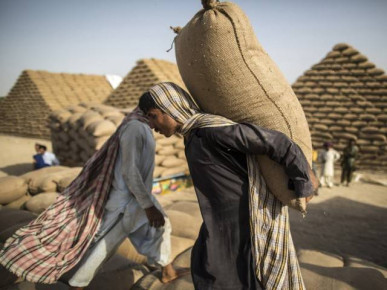
Furthermore, the ECC’s allocation of a Rs. 536 million Technical Supplementary Grant for Public Sector Development Program (PSDP) projects is equally significant. This funding targets ongoing initiatives of the former Pakistan Public Works Department (Pak-PWD). The precise transfer to Punjab and Khyber Pakhtunkhwa provinces ensures continuity for vital infrastructure projects, adhering strictly to constitutional and legal frameworks. This demonstrates a structural commitment to localized development.
Socio-Economic Impact: Daily Life Adjustments
The ECC Wheat Stock Sale directly impacts every Pakistani household. By introducing 500,000 tons of wheat into the market at optimized prices, the government aims to stabilize flour prices, a staple commodity. For urban families, this could translate to more predictable monthly grocery bills, alleviating inflationary pressures. In rural Pakistan, particularly for farmers, this move may influence future planting decisions and market demand signals. Professionals and students will benefit from a more stable economic environment where basic food costs are managed, contributing to overall household budget predictability.
Moreover, the PSDP grant funnelled to Punjab and Khyber Pakhtunkhwa has tangible benefits. These funds will sustain essential infrastructure projects, which could include roads, buildings, or water supply systems. Improved infrastructure facilitates trade, enhances connectivity, and potentially creates local employment opportunities. This structural investment directly improves the quality of life and economic mobility for citizens in these regions.
The Forward Path: A Stabilization Move
This series of ECC decisions, particularly the ECC Wheat Stock Sale and the PSDP grant, fundamentally represents a Stabilization Move for Pakistan’s economy. The recalibration of wheat prices is a pragmatic adjustment to existing market inefficiencies. It prevents further fiscal drain from carrying costs and ensures the systematic flow of essential commodities. The grant for PSDP projects, furthermore, reinforces baseline infrastructure development. While not a singular “Momentum Shift” that introduces radical new growth vectors, these actions are crucial for solidifying existing economic foundations and ensuring operational efficiency across critical sectors. They reflect a disciplined approach to resource management and fiscal responsibility, building a stronger platform for future advancements.








