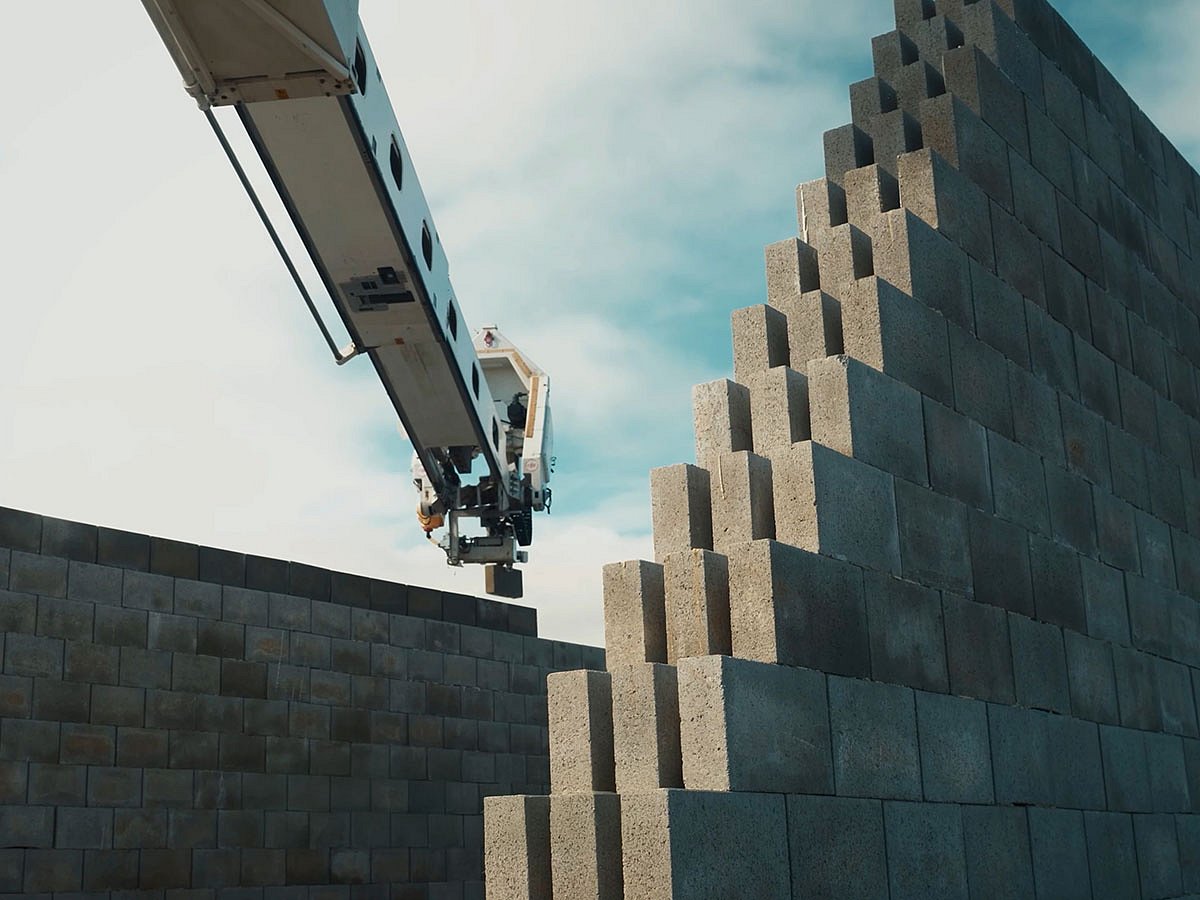
Dubai’s Strategic Leap: The World’s First Robot-Built Villa
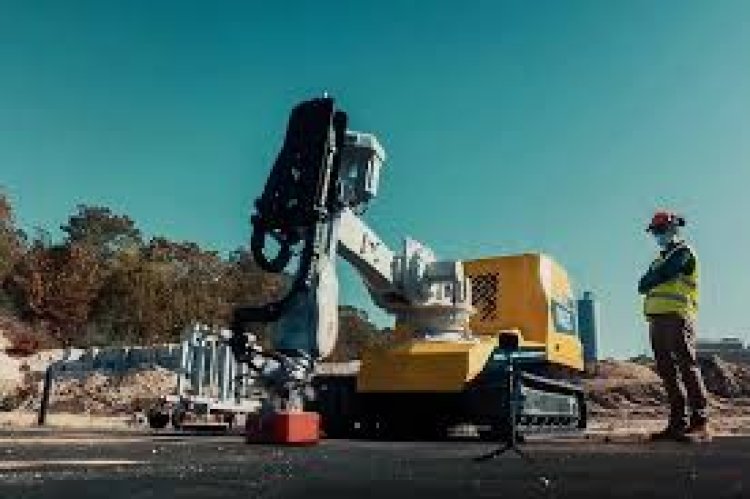
The structural paradigm of urban development is undergoing a calibrated transformation. Dubai Municipality has initiated the construction of the world’s first robot-built villa Dubai, leveraging advanced robotic construction systems. This strategic project integrates both local and international engineering expertise, signaling a significant leap in architectural efficiency and sustainable building practices. Consequently, this endeavor establishes Dubai as a precision leader in next-generation urban infrastructure.
The Translation: Decoding Advanced Construction Methodologies
This pioneering initiative is not a solitary effort. A formidable consortium, comprising over 25 technology companies and academic institutions, leads the project. Specifically, Dubai Municipality partners with Zacua Ventures and the Würth Group, alongside specialized construction robotics firms and local contractors. Furthermore, this collaborative structure ensures a comprehensive approach to integrating cutting-edge robotics into practical construction applications.

The announcement coincided with the activation of the Construction Innovation and Research Centre (04 ConTech Valley) at Expo City Dubai. This specialized center is dedicated to advancing next-generation construction solutions, urban systems, and future city infrastructure. Moreover, its establishment underscores a long-term commitment to innovation within the built environment.
During the launch event, Dubai Municipality also unveiled the Global ConTech Report. This crucial document highlights the rapid growth trajectory of construction technologies worldwide. Consequently, the report forecasts global sector investments exceeding $30 billion by 2033. This growth is primarily driven by critical labor shortages and the escalating adoption of artificial intelligence, robotics, prefabrication, and advanced infrastructure technology.
The Socio-Economic Impact: Calibrating Daily Life for Pakistani Citizens
While this project is situated in Dubai, its implications for daily life, particularly within the context of aspiring nations like Pakistan, are profound. The strategic shift towards automated and off-site manufacturing fundamentally alters construction timelines and cost structures. For instance, accelerated project completion, driven by robotic efficiency, could potentially reduce housing costs over time. This offers a blueprint for how urban and rural Pakistani households might benefit from more accessible and higher-quality housing solutions in the future.
Dubai’s “70–70 Strategy for 2030,” implemented with Sobha Realty, aims to redirect 70% of construction to off-site manufacturing. Additionally, it targets 70% factory automation. This baseline objective seeks to boost efficiency, enhance quality, and elevate sustainability across the construction lifecycle. For Pakistani students and professionals, understanding these shifts becomes crucial. It will inform curriculum development in engineering and architecture, preparing a workforce for an automated construction future. The deployment of modular systems, exemplified by China State Construction Engineering Corporation’s accreditation and AMANA’s adoption for youth workspaces, demonstrates a scalable pathway for rapid development. This could provide more efficient public facilities and foster skill development.

The Forward Path: A Momentum Shift in Construction Paradigms
This development undeniably represents a Momentum Shift. Dubai’s initiative is not merely an isolated project; instead, it is a structural declaration. It positions the emirate as a global nexus for innovative, automated, and sustainable building solutions. The integrated approach, combining research centers, strategic investment forecasts, and actionable implementation plans like the 70-70 Strategy, provides a comprehensive framework. This proactive stance moves beyond incremental improvements, establishing new baselines for speed, precision, and environmental responsibility within the global construction sector. Therefore, this project serves as a catalyst for worldwide adoption of advanced construction robotics.