The strategic dynamics of global commerce are currently manifesting in significant Dubai gold discounts, a direct consequence of escalated regional tensions impacting vital trade routes. Bloomberg reports that traders in Dubai are offering substantial price reductions, up to $30 per ounce below the global benchmark, due to severe disruptions in air cargo and prolonged shipment delays. This precise economic reaction highlights how geopolitical events directly influence the flow and pricing of critical commodities, creating both challenges and calibrated market adjustments for consumers and investors alike concerning these Dubai gold discounts. Furthermore, this situation directly impacts Pakistan, a key recipient of gold shipments from the UAE, necessitating a comprehensive analysis of the underlying logistical and market forces at play.
Dubai Gold Discounts: Disruptions in the Bullion Logistics System
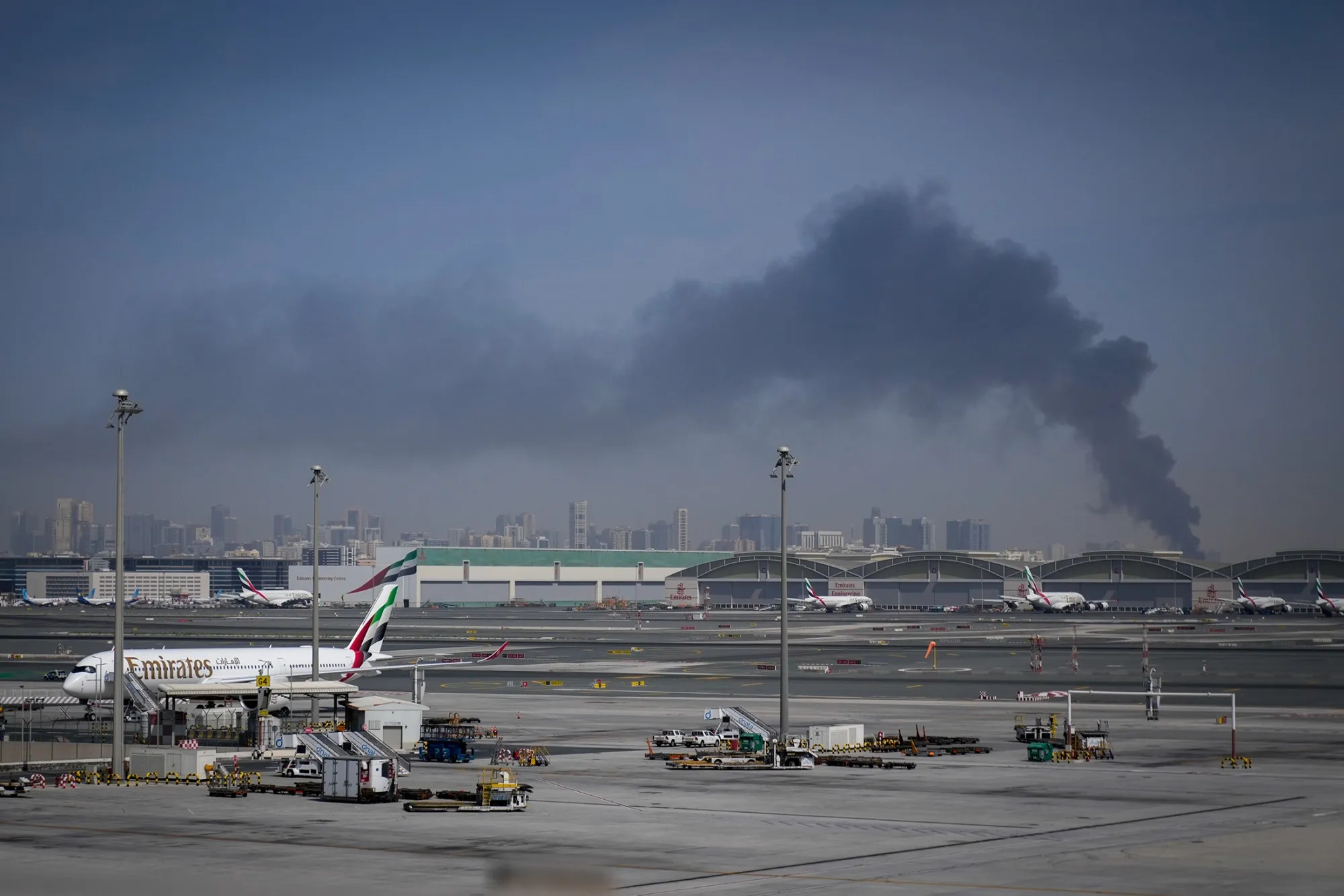
The primary catalyst for these unprecedented Dubai gold discounts is the logistical impediment posed by recent regional conflicts. Primarily, restricted airspace across parts of the United Arab Emirates has led to widespread flight suspensions. Gold, traditionally transported in passenger aircraft cargo holds, consequently faces significant obstacles. The customary transit mechanisms for high-value cargo have been severely compromised, leaving numerous shipments stranded. Moreover, logistics firms are strategically avoiding overland transport to neighboring airports due to heightened security concerns, further exacerbating delays and increasing both shipping and insurance costs.
The Translation: Understanding Supply Chain Friction
For the uninitiated, this means that the standard, efficient process of moving gold from point A (e.g., Dubai, a major refining hub) to point B (e.g., Asian markets like India and Pakistan) has encountered significant friction. Imagine a well-oiled machine suddenly encountering a critical component failure: the entire operation slows down, costs escalate, and reliability diminishes. This “friction” in the supply chain forces traders to lower prices locally to offload inventory, creating the current market anomaly of discounted gold. Therefore, these discounts are a symptom of operational inefficiencies rather than a fundamental shift in gold’s intrinsic value.
Strategic Implications for Global Gold Trading

Dubai has structurally positioned itself as a pivotal global bullion trading center. Annually, the UAE imports over 1,392 tons of gold, valued in excess of $100 billion. This makes the city a critical nexus for refining and exporting bullion, particularly to robust Asian markets. The current disruptions consequently ripple through the entire global gold supply chain, impacting major buyers. India, for instance, a significant importer of gold from Dubai, is experiencing direct supply chain disturbances. This scenario underscores the calibrated interdependencies within the international commodities ecosystem, where regional instability can generate far-reaching economic effects.
The Socio-Economic Impact: Gold Value for Pakistani Citizens
How does this situation change the daily life of a Pakistani citizen? For students and professionals, investment decisions concerning gold, traditionally viewed as a safe haven asset, become more complex. The temporary Dubai gold discounts might not directly translate into immediate, widespread price reductions in local Pakistani markets due to existing import duties, logistical challenges within Pakistan, and local market dynamics. However, for those with direct access to international markets or significant import operations, these discounts present a unique, albeit temporary, opportunity for strategic acquisition. Furthermore, general market uncertainty can influence local gold prices, potentially affecting household savings and investment strategies across both urban and rural Pakistan.
Navigating Uncertainty: Dubai’s Role as a Bullion Nexus

Despite the current operational challenges, Dubai’s foundational role as a critical bullion trading and refining hub remains intact. The city’s infrastructure and strategic geographical placement offer inherent advantages. While some limited air traffic operations for gold shipments have resumed, complete normalization hinges on regional de-escalation. Consequently, the market observes a temporary pause in new orders from many buyers, awaiting clearer delivery timelines. This highlights the sensitivity of high-value cargo logistics to geopolitical stability. However, Dubai’s long-term structural importance in the global gold trade is not fundamentally threatened by these short-term disruptions.
The Forward Path: A Stabilization Move for Market Resilience
This development represents a Stabilization Move. While the immediate impact generates market friction and price discrepancies, Dubai’s response demonstrates an inherent resilience within its trading mechanisms. The discounts are a market-driven adaptation to logistical constraints, not a systemic failure. Strategic adjustments by traders and the eventual resumption of more stable transport routes will restore equilibrium. This situation serves as a critical baseline assessment for enhancing future supply chain robustness against geopolitical shocks, thereby strengthening the long-term structural integrity of the global gold market.
Future Outlook: Precision in Precious Metals Markets

The current scenario offers a calibrated insight into the vulnerabilities and adaptive capacities of global commodities markets. Monitoring the evolution of these logistical challenges and their subsequent resolution will be crucial for all stakeholders. The strategic response to such disruptions will define the future architecture of precious metal trading, emphasizing precision in supply chain management and proactive risk mitigation. Ultimately, maintaining stable and efficient trade corridors is paramount for global economic continuity and the predictable valuation of assets like gold.