Dubai’s Roads and Transport Authority (RTA) has meticulously calibrated its urban mobility framework for Eid Al Fitr, introducing vital adjustments to Dubai Eid Transport services. These strategic shifts, effective from March 19 to March 21, encompass free public parking and optimized public transport schedules, ensuring seamless connectivity across the emirate. This initiative underscores a commitment to enhancing citizen experience during peak holiday periods, facilitating efficient movement for residents and visitors alike.
The Translation: Deconstructing Dubai’s Holiday Mobility Plan
The RTA’s announcement systematically outlines the operational changes. Public parking will be free from the first to the third day of Eid, a significant fiscal relief for commuters; however, multi-storey parking facilities maintain standard charges. This exemption strategically manages urban traffic flow while providing convenience.
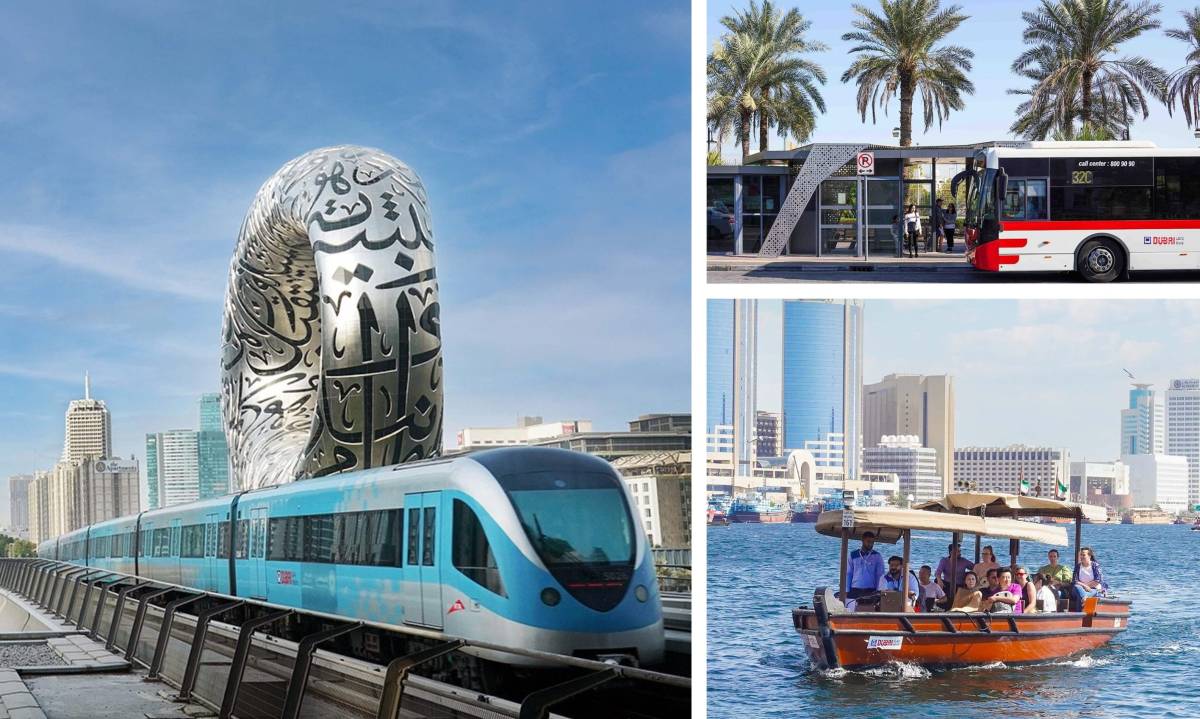
Furthermore, Metro services on both the Red and Green Lines will operate extended hours. From March 18 to March 21, the operational window is 5:00 a.m. to 1:00 a.m. On March 22, services will commence slightly later, from 8:00 a.m. to 1:00 a.m. Similarly, Dubai Tram services will run from 6:00 a.m. to 1:00 a.m. from March 18 to March 21, shifting to 9:00 a.m. to 1:00 a.m. on March 22. These extended hours provide enhanced access to critical urban nodes.

Strategic Bus Route Adjustments for Dubai Eid Transport
The RTA advises bus passengers to verify updated schedules via the S’hail app for precision planning. Critically, Route E100, typically serving Al Ghubaiba Bus Station, will be suspended from the afternoon of March 18 until March 22. In contrast, essential inter-city connections remain operational:
- Route E101: Continues direct service from Ibn Battuta Bus Station to Abu Dhabi.
- Route E102: Maintains its trajectory from Al Jafiliya Bus Station to Musaffah, operational from March 19 to March 22.
These calibrated adjustments ensure critical routes remain accessible while optimizing resources for anticipated demand shifts.
Ensuring Uninterrupted Essential Services
Regarding customer touchpoints, most RTA Customer Happiness Centres will observe the Eid holiday closure. However, the Umm Ramool Customer Happiness Centre and all Smart Customer Happiness Centres will maintain continuous 24/7 operation. This structural provision ensures essential digital and urgent support remains available.
Furthermore, service provider centres, including critical vehicle testing facilities, will be closed from March 19 to March 21. Operations are scheduled to resume on Sunday, March 22. A contingency exists: should Ramadan complete 30 days, this closure period for service provider centres will extend until Sunday, March 22. This phased resumption minimizes systemic disruption.

The Socio-Economic Impact: Calibrating Daily Life for Pakistanis
These RTA directives directly influence the daily logistics for Pakistani expatriates and families residing in Dubai. The provision of free parking during key Eid days offers a tangible economic benefit, reducing holiday expenditure for those utilizing private vehicles. Consequently, this allows households to reallocate resources towards family celebrations or other essential needs.
For professionals and students, the extended Metro and Tram operational hours represent enhanced flexibility. Access to workplaces, educational institutions, or social gatherings during the holiday period becomes significantly more convenient, mitigating potential travel impediments. Moreover, the strategic continuation of key bus routes like E101 and E102 ensures that vital inter-emirate connections remain robust, facilitating family visits or essential travel. This integrated approach ensures that the systemic efficiency of urban mobility is maintained, directly improving the quality of life for the Pakistani community during a significant cultural observance.
The “Forward Path”: A Stabilisation Move for Urban Resilience
This comprehensive set of adjustments by the RTA represents a Stabilisation Move. The directives are not fundamentally altering the transportation infrastructure but rather meticulously optimizing existing systems to absorb the increased demand and unique operational challenges presented by a major public holiday. It demonstrates a proactive, data-driven approach to urban management, ensuring continuity and reliability. The RTA’s capacity to precisely calibrate services, from parking availability to public transport timings and customer support, reinforces Dubai’s commitment to maintaining high standards of urban resilience and citizen-centric service delivery. This strategic foresight solidifies the framework for future holiday planning and operational efficiency.